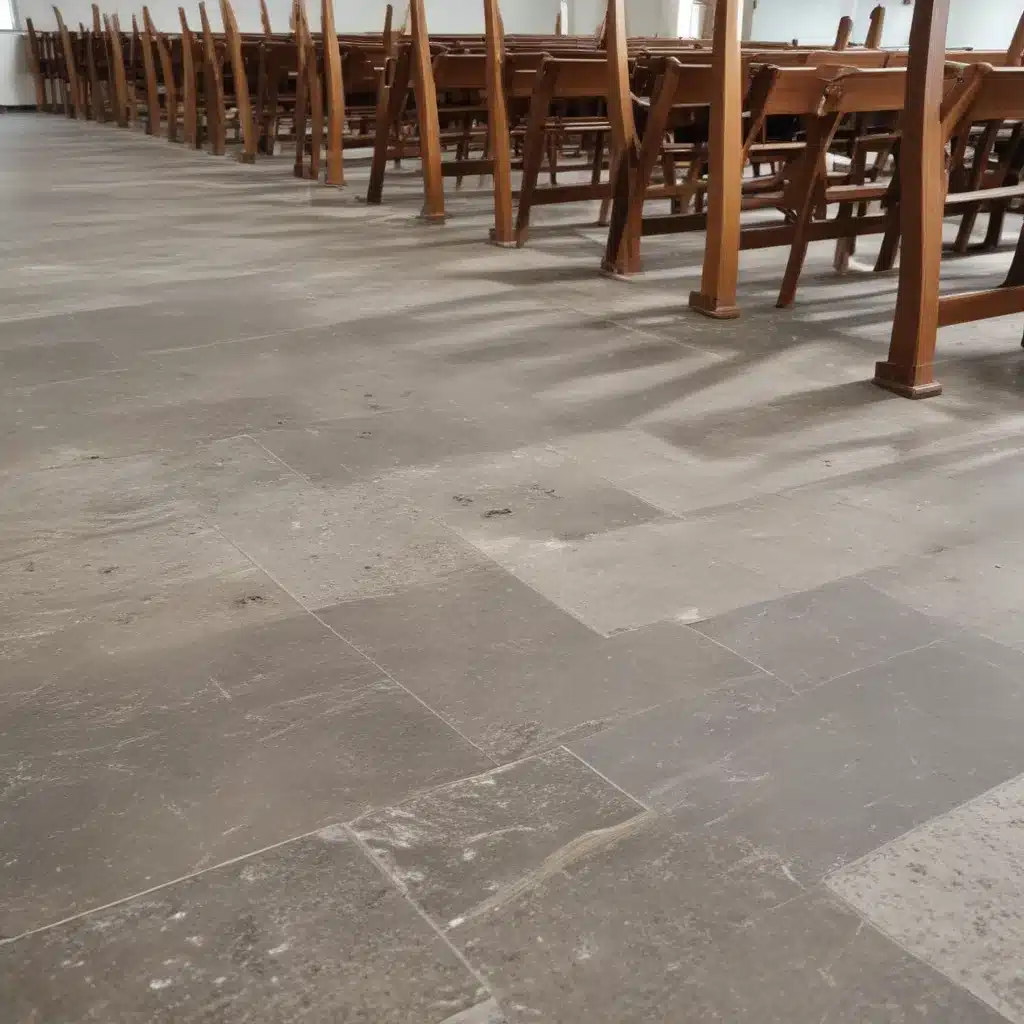
Religious Freedom or Safety Concern? The Dad’s Place Church Raises Flooring Questions
As an experienced raised flooring consultant, I’ve seen firsthand the complex interplay between design, safety, and regulatory compliance when it comes to modern commercial and office environments. Recently, a high-profile case has emerged that highlights some of the unique challenges surrounding the use of raised access flooring systems in places of worship.
The Dad’s Place Church, a fast-growing evangelical congregation in the heart of the UK, has found itself at the center of a heated debate over the installation of a customized raised flooring system within their newly renovated sanctuary. While the church leadership cites religious freedom and the need to accommodate their growing community, local authorities and safety advocates have raised serious concerns over potential risks to congregants.
Structural Design Considerations
The centerpiece of the Dad’s Place controversy is the church’s decision to install a highly customized raised access flooring system. Rather than opting for a standardized, off-the-shelf solution, the church worked with a specialty contractor to design a bespoke system that would better suit their specific needs and aesthetic preferences.
Load Capacity: A key point of contention is the system’s load-bearing capabilities. The church’s custom design appears to provide a lower load tolerance (12 kN/m²) compared to the typical 15 kN/m² found in most commercial raised floors. This could pose safety risks, especially given the potential for large crowds and the potential for sudden movements during services.
Pedestal Adjustment: The custom pedestals used in the Dad’s Place system also feature a reduced adjustment range, limiting the ability to address uneven subfloor conditions or accommodate changes over time. Proper leveling and stability are critical for ensuring the structural integrity of the entire raised floor assembly.
Subfloor Composition: Details on the subfloor construction and preparation beneath the Dad’s Place raised floor are unclear, but this is another essential factor in determining the overall load-bearing capacity and long-term performance of the system.
Cable Management Challenges
One of the primary drivers for the church’s custom raised flooring solution was the need to manage a complex array of audiovisual, lighting, and sound equipment cabling. The Dad’s Place leadership wanted to ensure easy access and flexibility for their technical teams to reconfigure and maintain the systems as needed.
Cable Raceways: The custom raised floor design incorporates specialized cable raceways and pathways to route cables beneath the access floor tiles. However, the configuration and accessibility of these raceways have come into question, with concerns raised over potential tripping hazards and restricted access for maintenance.
Underfloor Clearance: The reduced pedestal adjustment range in the Dad’s Place system means there is less overall clearance beneath the access floor. This could limit the ability to effectively manage and maintain the cabling infrastructure, potentially leading to crowding, tangled wires, and impaired access.
Accessibility Considerations: For a place of worship that aims to be inclusive, the potential challenges with cable management and reduced underfloor clearance raise concerns over accessibility, particularly for those with mobility issues or visual impairments.
Regulatory Compliance Concerns
Alongside the structural and functional aspects of the Dad’s Place raised flooring system, there are also important regulatory requirements that must be addressed. These include:
Regulatory Requirements: The custom nature of the church’s raised floor system means it may not fully comply with established standards such as the PSA MOB PF2 PS/SPU or BSEN 12825, which are typically used to assess the safety and performance of commercial raised access floors.
Fire Safety: Raised floors can pose unique fire safety risks, especially in a high-occupancy setting like a church. The materials used, cable management, and overall system design must meet strict fire safety regulations to ensure the protection of congregants.
Electrostatic Discharge (ESD) Protection: In a space filled with sensitive electronic equipment, the raised floor system must also provide adequate electrostatic discharge (ESD) protection to safeguard the church’s AV and IT infrastructure.
Emerging Trends and Innovative Solutions
As the debate over the Dad’s Place raised flooring system continues, it’s worth considering how the industry is evolving to address the unique needs of modern worship spaces and other specialized commercial environments.
Modular Designs: Increasingly, raised access flooring manufacturers are offering more modular, customizable solutions that allow for greater design flexibility while still maintaining strict safety and performance standards. These systems can be tailored to the specific requirements of a church or other specialized setting.
Intelligent Monitoring: Advanced raised flooring systems are also incorporating smart sensors and monitoring capabilities to provide real-time data on factors like load distribution, cable management, and environmental conditions. This can help facility managers identify and address potential issues before they become safety concerns.
Integrated Systems: Some manufacturers are even exploring ways to integrate raised flooring with other building systems, such as HVAC, lighting, and security, to create a more cohesive and efficient infrastructure. This holistic approach could be particularly beneficial for churches and other facilities with complex technical requirements.
Conclusion
The Dad’s Place Church case highlights the intricate balance that must be struck between religious freedom, safety, and regulatory compliance when it comes to the use of raised access flooring systems in specialized commercial environments. As this debate continues to unfold, it serves as a valuable lesson for facility managers, church leaders, and the raised flooring industry to work collaboratively to develop innovative solutions that prioritize the well-being and accessibility of all occupants.
For more information on the latest advancements and best practices in raised access flooring, visit raised-flooring.co.uk.

