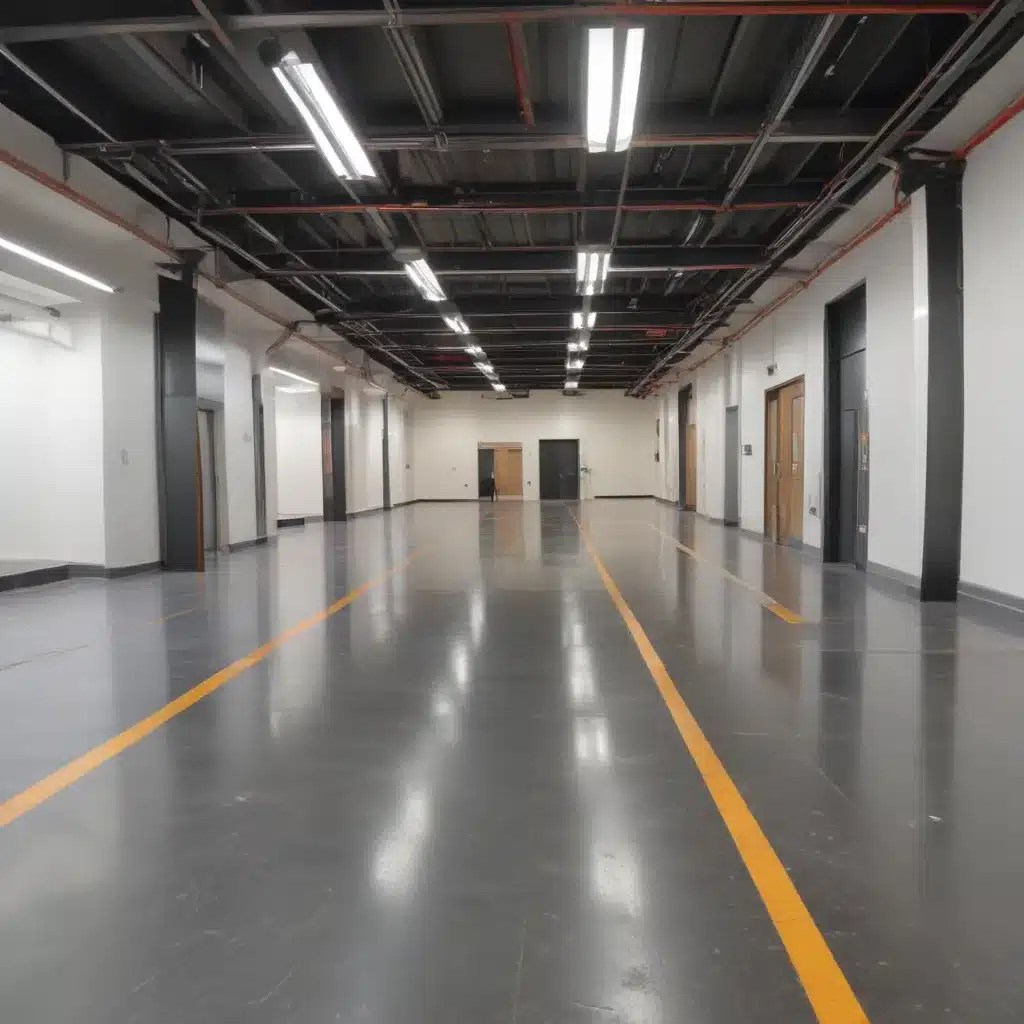
As an experienced raised flooring consultant for Raised Flooring UK, I’ve seen firsthand how sustainability has become a critical concern for modern commercial and office environments across the UK. Raised access flooring systems play a pivotal role in creating eco-friendly, adaptable, and future-proof interior spaces. In this in-depth article, we’ll explore the various sustainability aspects of raised flooring materials, delving into design strategies, installation best practices, cost considerations, and regulatory standards.
Structural Design and Performance
At the heart of any high-performing raised flooring system lies its structural integrity. Load capacity, pedestal adjustment, and dimensional tolerances are all essential factors to consider when specifying sustainable materials.
Load Capacity
The load-bearing capacity of raised flooring panels is crucial, as they must support not only foot traffic but also the weight of furniture, equipment, and other building services. Opting for panels made of durable materials like steel or aluminium encapsulated particleboard can ensure long-term performance and reduced replacement needs.
Pedestal Adjustment
Adjustable pedestals allow for fine-tuning the height of the raised floor, accommodating uneven subfloors and providing the necessary clearance for underfloor services. This flexibility is key to creating a level and stable surface, minimising the need for extensive subfloor preparation and maximising the system’s lifespan.
Dimensional Tolerances
Precision in raised flooring dimensions is essential for seamless integration with other building components and maintaining accessibility. Adhering to industry standards, such as BSEN 12825, ensures that the system meets regulatory requirements for safety and functionality.
Sustainability Considerations
Sustainability is a multifaceted concept that encompasses environmental impact, material selection, and lifecycle considerations. When it comes to raised flooring, these factors play a crucial role in determining the overall sustainability of the system.
Material Selection
The choice of materials used in raised flooring panels can have a significant impact on the system’s environmental footprint. Alternatives to traditional cement or wood-based panels, such as those made from polyurethane (PU) reinforced with glass fibre, can offer a more sustainable solution. These innovative materials not only reduce the overall weight of the system but also provide superior fire resistance and thermal insulation properties.
Embodied Carbon
Embodied carbon, the total greenhouse gas emissions associated with the extraction, manufacture, and transportation of materials, is a crucial consideration in sustainable construction. By opting for raised flooring systems with lower embodied carbon, such as those featuring recycled content or utilising local supply chains, you can significantly reduce the environmental impact of your project.
Recyclability
The modular design of raised flooring systems allows for easy disassembly and component reuse or recycling at the end of the system’s lifecycle. Choosing panels and other components made from recyclable materials, such as steel or aluminium, ensures that the system can be responsibly disposed of or repurposed, aligning with the principles of a circular economy.
Installation and Accessibility
Streamlined installation processes and a focus on accessibility are essential for maximising the sustainability of raised flooring systems.
Subfloor Preparation
Minimising the need for extensive subfloor preparation, such as levelling or moisture remediation, can reduce the overall environmental impact and construction waste associated with the installation process. Modular raised flooring systems that can accommodate minor subfloor unevenness are particularly advantageous in this regard.
Modular Design
The modular nature of raised flooring panels enables easy access to the concealed underfloor space for maintenance, upgrades, or changes to the building’s layout. This flexibility reduces the need for costly and disruptive renovations, contributing to the long-term sustainability of the system.
Underfloor Services
Raised flooring systems provide a versatile platform for routing electrical, data, and mechanical services, allowing for efficient and organised cable management. This not only enhances the building’s functionality but also simplifies future maintenance and upgrades, reducing the environmental impact associated with ongoing operations.
Regulatory Compliance
Adherence to various building codes, environmental certifications, and accessibility standards is crucial for ensuring the sustainability and long-term viability of raised flooring systems.
Building Codes
Compliance with local building codes, such as those set by the Chartered Institute of Building Services Engineers (CIBSE), ensures that the raised flooring system meets safety and performance requirements, contributing to the overall safety and longevity of the installation.
Environmental Certifications
Opting for raised flooring systems that have achieved recognised environmental certifications, such as BREEAM or LEED, demonstrates a commitment to sustainable design and construction practices. These certifications often incorporate criteria related to material selection, energy efficiency, and waste management.
Accessibility Standards
Ensuring that raised flooring systems meet accessibility standards, such as those outlined in Equality Act 2010, is crucial for creating inclusive and equitable commercial spaces. This consideration not only enhances the user experience but also aligns with the principles of sustainable and inclusive design.
Flooring Surface Options
The choice of flooring surface materials can significantly impact the overall sustainability of a raised flooring system, influencing factors such as slip resistance, aesthetics, and indoor environmental quality.
Finish Materials
Sustainable flooring finish options, including recycled content carpet tiles, natural linoleum, or low-emission vinyl, can contribute to improved indoor air quality and reduced environmental impact. These materials can also be easily replaced or refurbished, extending the lifecycle of the raised flooring system.
Slip Resistance
Selecting flooring finishes with appropriate slip resistance ratings, as outlined in standards such as BS 8209, ensures the safety of building occupants while also reducing the need for costly maintenance or replacement due to wear and tear.
Aesthetics
Raised flooring systems offer a versatile platform for various aesthetic finishes, allowing you to create visually appealing and cohesive interior spaces. By aligning the flooring design with the building’s overall sustainability goals, you can enhance the long-term appeal and marketability of the property.
Thermal and Acoustic Properties
The thermal and acoustic performance of raised flooring systems can contribute significantly to the overall energy efficiency and occupant comfort of a building, directly impacting its sustainability.
Thermal Insulation
The void beneath the raised floor can be utilised for routing HVAC ductwork and creating a thermal buffer zone, improving the building’s energy efficiency and reducing operational costs. Selecting materials with high thermal insulation values, such as rigid foam or mineral wool, can further enhance the system’s thermal performance.
Sound Attenuation
Raised flooring systems can incorporate sound-absorbing materials, such as acoustic underlayments or perforated panels, to mitigate noise transmission and create a more comfortable and productive indoor environment. This feature is particularly important in open-plan offices and other noise-sensitive commercial spaces.
Vibration Control
The sturdy construction of raised flooring systems, combined with the use of resilient materials, can effectively isolate and dampen vibrations, protecting sensitive equipment and ensuring a stable and comfortable workspace.
Underfloor Cable Management
Efficient cable management within the raised floor void is essential for maintaining the system’s overall functionality and sustainability.
Cable Trays
Utilising organised cable trays or raceways within the underfloor space ensures that electrical, data, and communication cables are routed in a neat and accessible manner. This approach simplifies maintenance, upgrades, and adaptations, reducing the need for disruptive and wasteful interventions.
Accessibility
The ease of access to the underfloor void is a key factor in the sustainability of raised flooring systems. Panels that can be quickly and easily removed, without the need for specialised tools or extensive disruption, enable technicians to address issues or make modifications efficiently.
Fire Safety
Compliance with fire safety regulations, such as the Building Regulations Approved Document B, is crucial when designing the underfloor cable management system. Incorporating fire-resistant materials and ensuring proper compartmentation can mitigate the risk of fire spread and enhance the overall safety of the building.
Maintenance and Lifecycle
Prolonging the lifecycle of a raised flooring system through effective maintenance and adaptability is a crucial aspect of sustainability.
Cleaning Protocols
Establishing clear cleaning and maintenance protocols for the raised flooring system, including the use of eco-friendly cleaning products, can ensure the longevity of the installation and reduce the environmental impact associated with ongoing upkeep.
Durability
Selecting durable and high-quality materials for the raised flooring system, such as steel or aluminium panels, can significantly extend the service life of the installation, reducing the need for premature replacement and the associated waste.
Adaptability
The modular design of raised flooring systems allows for easy reconfiguration and adaptation to changing space requirements. By future-proofing the installation, you can minimise the need for costly and disruptive renovations, aligning with the principles of sustainable construction.
Raised flooring systems have become an essential component of modern commercial and office environments, offering a range of sustainability benefits that align with the UK’s commitment to green building practices. By carefully considering the material selection, structural performance, installation processes, and lifecycle management, you can create interior spaces that are not only functional and adaptable but also environmentally responsible. At Raised Flooring UK, we are dedicated to providing our clients with innovative and sustainable raised flooring solutions that contribute to the creation of a more sustainable built environment.Tip: Consider future cabling needs during initial installation