As an experienced raised flooring consultant, I’ve witnessed the remarkable evolution of access flooring systems in the UK. These innovative solutions have become indispensable in modern commercial and office environments, revolutionizing how we manage power, data, and air distribution within our buildings. However, as sustainability takes center stage, the industry is adopting progressive strategies to minimize environmental impact while enhancing functionality and long-term performance.
Structural Integrity
Load Capacity: A critical aspect of raised flooring design is its ability to withstand the weight of equipment, foot traffic, and other loads. Manufacturers have developed high-performance panels and pedestals that can support loads ranging from 1,000 to 5,000 N/m² (104 to 520 lbf/ft²), ensuring the structural integrity of the system. These load-bearing capacities are tested and certified in accordance with BSEN 12825 standards, giving clients the peace of mind that their flooring can handle even the most demanding environments.
Pedestal Adjustment: Another essential feature of modern raised access flooring is the ability to precisely adjust the height of the pedestals, typically ranging from 50 to 800 mm (2 to 31 inches). This flexibility allows for the seamless integration of underfloor services and accommodates uneven subfloors, ensuring a level and stable surface. Adjustable pedestals also enable easy access for maintenance and reconfiguration, reducing the need for costly renovations.
Subfloor Preparation: To ensure the longevity and performance of raised access flooring, proper subfloor preparation is crucial. The substrate should be clean, level, and free of debris to provide a stable foundation for the flooring system. Some manufacturers even offer self-leveling compounds or other solutions to create a smooth, consistent surface, further enhancing the system’s structural integrity.
Sustainable Materials
The raised flooring industry has made significant strides in embracing sustainability, with a focus on using recycled and renewable materials.
Recycled Content: Many modern raised access floor panels are manufactured with a high percentage of recycled content, often sourced from post-consumer and post-industrial waste. This circular approach not only reduces the environmental impact but also contributes to the system’s long-term durability and ease of reuse or recycling at the end of its lifespan.
Renewable Resources: Innovative designs have incorporated the use of renewable materials, such as bamboo and cork, which offer a lower carbon footprint compared to traditional options. These sustainable alternatives provide both aesthetic appeal and environmental benefits, aligning with the growing demand for eco-friendly building solutions.
Embodied Carbon: Manufacturers are increasingly focusing on reducing the embodied carbon of their raised flooring products, taking into account the emissions associated with the extraction, production, and transportation of raw materials. By optimizing their supply chains and manufacturing processes, they are able to offer more sustainable options that contribute to the overall carbon footprint reduction of a building.
Functionality and Adaptability
The versatility of raised access flooring systems has been a key driver of their widespread adoption, particularly in commercial and office environments.
Cable Management: One of the primary benefits of raised access flooring is its ability to effectively manage the increasingly complex network of cables, wiring, and data infrastructure required in modern workspaces. The hidden void beneath the raised floor provides a convenient and organized pathway for these services, simplifying installations and facilitating future modifications.
Underfloor Services Integration: Beyond just cable management, the raised floor void allows for the seamless integration of various building services, including HVAC systems, plumbing, and electrical distribution. This integration enhances the overall efficiency and flexibility of the building, enabling quick and easy access for maintenance and upgrades.
Modular Flexibility: Raised access flooring systems are inherently modular, allowing for easy reconfiguration and adaptation to changing office layouts or tenant requirements. Panels can be easily removed, relocated, or replaced without disrupting the overall structure, enabling businesses to adapt their spaces quickly and cost-effectively to meet evolving needs.
Regulatory Compliance
As the demand for sustainable and high-performance buildings continues to grow, raised access flooring systems must comply with a range of regulatory standards and certifications.
Building Codes: Raised access flooring must adhere to local building codes and regulations, ensuring the safety and structural integrity of the system. This includes compliance with requirements for fire resistance, load-bearing capacity, and accessibility.
Fire Safety: Raised access flooring systems are designed to meet stringent fire safety standards, often incorporating materials and design features that inhibit the spread of fire and facilitate smoke extraction. Manufacturers work closely with regulatory bodies to ensure their products meet or exceed the necessary fire safety requirements.
Environmental Certifications: In line with the industry’s focus on sustainability, many raised access flooring manufacturers have obtained environmental certifications, such as BREEAM, LEED, or WELL. These certifications validate the system’s eco-friendly attributes, including the use of recycled materials, energy efficiency, and low-emitting components, further positioning raised flooring as a sustainable choice for modern buildings.
Aesthetic Considerations
While functional performance is a primary driver of raised access flooring, the industry has also recognized the importance of aesthetic appeal in commercial and office environments.
Customization Options: Manufacturers now offer a wide range of customization options, allowing clients to select from a variety of surface finishes, patterns, and colors to align with their desired design aesthetic. This level of customization enables raised access flooring to seamlessly integrate with the overall interior design, creating a cohesive and visually appealing environment.
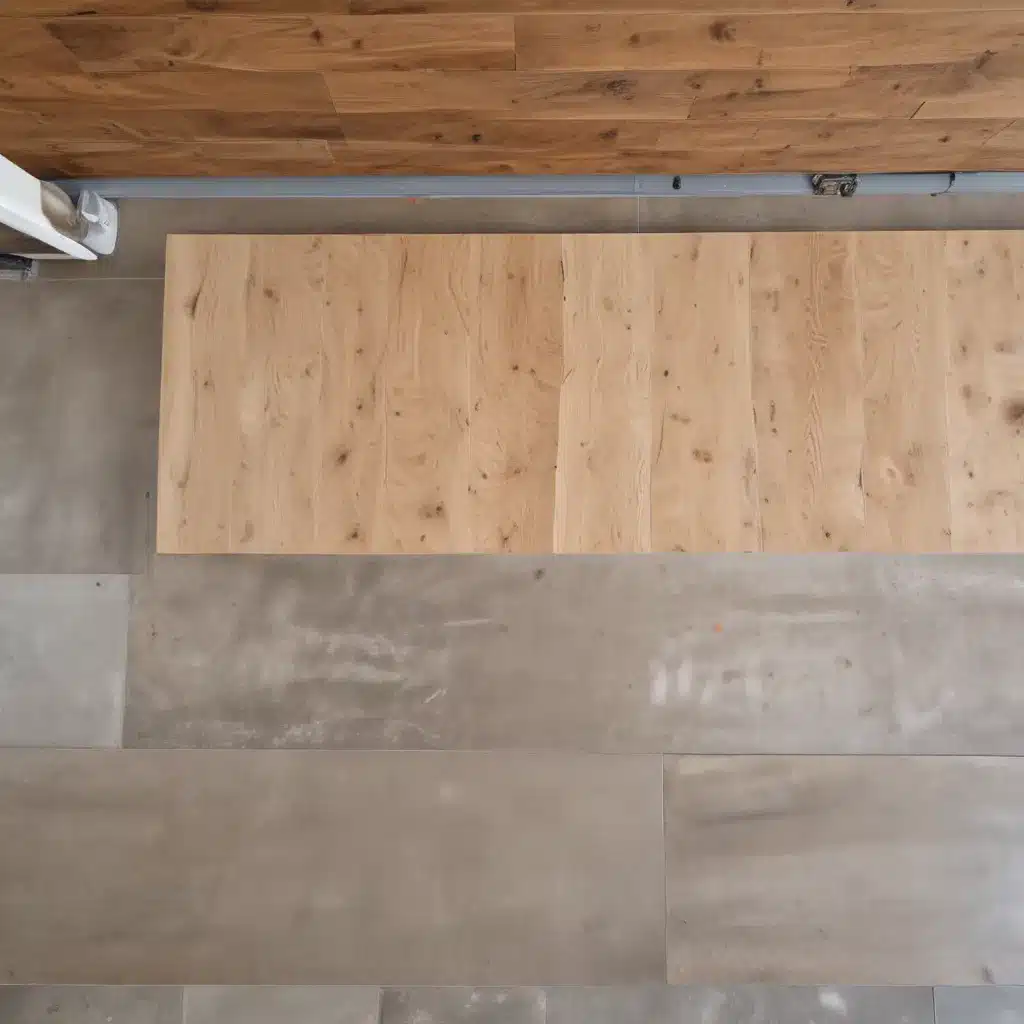
Surface Finishes: Beyond the traditional options of high-pressure laminates (HPL) and vinyl, raised access flooring panels can now be finished with a diverse range of materials, including natural stone, wood, and even specialized coatings. These finishes not only enhance the aesthetic appeal but also contribute to the overall durability and maintenance requirements of the system.
Accessibility Design: Raised access flooring systems can be designed with accessibility in mind, particularly in commercial buildings and public spaces. This may include incorporating features such as gentle ramps, tactile indicators, and appropriate clearances to ensure inclusive access for all building occupants, aligning with the principles of universal design.
Installation and Maintenance
The ease of installation and long-term maintenance are crucial factors in the successful implementation of raised access flooring systems.
Ease of Assembly: Modern raised access flooring solutions are designed with a focus on simplicity, often featuring intuitive tools-free assembly methods. This streamlined installation process reduces construction time and labor costs, making the systems more attractive for both new builds and retrofits.
Pedestal Adjustment: As mentioned earlier, the ability to precisely adjust the height of the pedestals is a key feature in raised access flooring. This not only ensures a level surface during the initial installation but also enables easy access for future maintenance and reconfiguration, minimizing disruption to building occupants.
Cleaning and Upkeep: Maintaining the cleanliness and appearance of raised access flooring is essential for preserving its functionality and longevity. Manufacturers provide guidance on effective cleaning methods, from regular vacuuming and damp mopping to more thorough deep-cleaning techniques. This ensures the system remains in optimal condition throughout its lifespan.
Occupant Comfort and Well-being
Raised access flooring systems play a vital role in enhancing the comfort and well-being of building occupants, contributing to their overall productivity and satisfaction.
Indoor Air Quality: The raised floor plenum acts as a conduit for air distribution, allowing for effective delivery of conditioned air throughout the space. This underfloor air distribution system can improve indoor air quality by minimizing the circulation of pollutants and providing a more uniform temperature and humidity control.
Thermal Regulation: The ability to control air flow and temperature within the raised floor void enables precise thermal management, ensuring a comfortable and energy-efficient environment. This is particularly beneficial in data centers and other high-heat generating spaces, where effective cooling is essential.
Acoustics: Raised access flooring systems can contribute to enhanced acoustic performance by providing a degree of sound insulation and reducing the transmission of noise between floors. This is especially valuable in open-plan office settings, where acoustic comfort is crucial for focused work and collaborative activities.
Lifecycle Assessment
Embracing a holistic approach to sustainability, the raised access flooring industry is now considering the complete lifecycle of its systems, from initial manufacturing to end-of-life disposal or reuse.
Embodied Impacts: Manufacturers are working to minimize the embodied carbon and other environmental impacts associated with the production and transportation of raised flooring materials. By optimizing their supply chains and manufacturing processes, they are able to offer more sustainable options that contribute to the overall carbon footprint reduction of a building.
Operational Efficiency: Raised access flooring systems have proven to enhance the operational efficiency of buildings, particularly in terms of energy consumption and maintenance requirements. The flexibility and adaptability of these systems, combined with their ability to facilitate effective air distribution and cable management, can lead to significant long-term cost savings and environmental benefits.
Circularity and Reuse: At the end of their useful life, many raised access flooring components can be recycled or repurposed, contributing to a more circular economy. Manufacturers are exploring innovative ways to facilitate the disassembly, refurbishment, and reuse of their products, further minimizing waste and promoting sustainable practices within the industry.
As the UK continues to embrace sustainable building practices, the raised access flooring industry has risen to the challenge, offering innovative solutions that prioritize environmental responsibility, occupant well-being, and long-term performance. By leveraging the latest advancements in materials, design, and installation techniques, these systems are poised to play a crucial role in the future of modern commercial and office construction. To learn more about the latest developments in raised access flooring, visit Raised-Flooring.co.uk.

