As an experienced raised flooring consultant, I’ve witnessed firsthand how the design, installation, and maintenance of access flooring systems can have a profound impact on the health and well-being of occupants in modern commercial and office environments. Beyond the technical considerations like load capacity and regulatory compliance, the integration of biophilic design principles can create truly harmonious and restorative spaces.
Biophilia, our innate human affinity for the natural world, is a critical factor to consider when designing sustainable raised flooring systems. By thoughtfully incorporating biophilic elements, we can leverage the proven benefits of nature connection to enhance cognitive function, reduce stress, and promote overall occupant well-being.
Sustainable Material Selection
At the core of any biophilic raised flooring solution are the materials used. Natural and minimally-processed materials like wood, stone, and plant-based composites can provide a direct connection to nature, engaging our senses of touch, sight, and even smell.
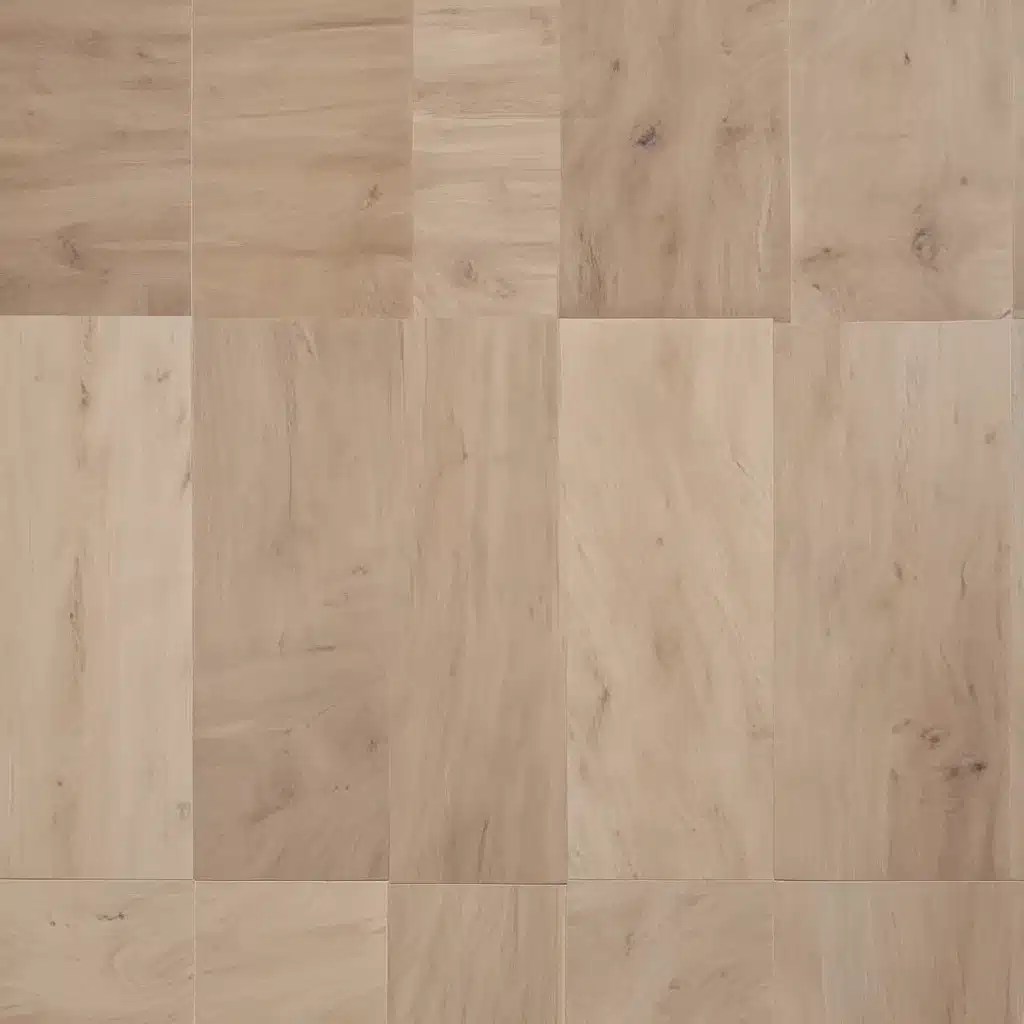
For example, choosing a wood-encapsulated access floor panel not only offers a warm, organic aesthetic, but also the tactile quality of natural grain patterns. Alternatively, a stone-faced panel can mimic the rich textures and earthy tones found in the environment. These material choices go beyond mere decoration, actively contributing to a calming, restorative interior atmosphere.
Beyond the surface finishes, the underlying structural components can also be specified to align with biophilic principles. Recycled steel pedestals, for instance, demonstrate a commitment to circular economy principles, reducing waste and embodied carbon. Specifying sustainable materials throughout the access flooring system sends a clear message about the project’s environmental priorities.
Integrating Greenery
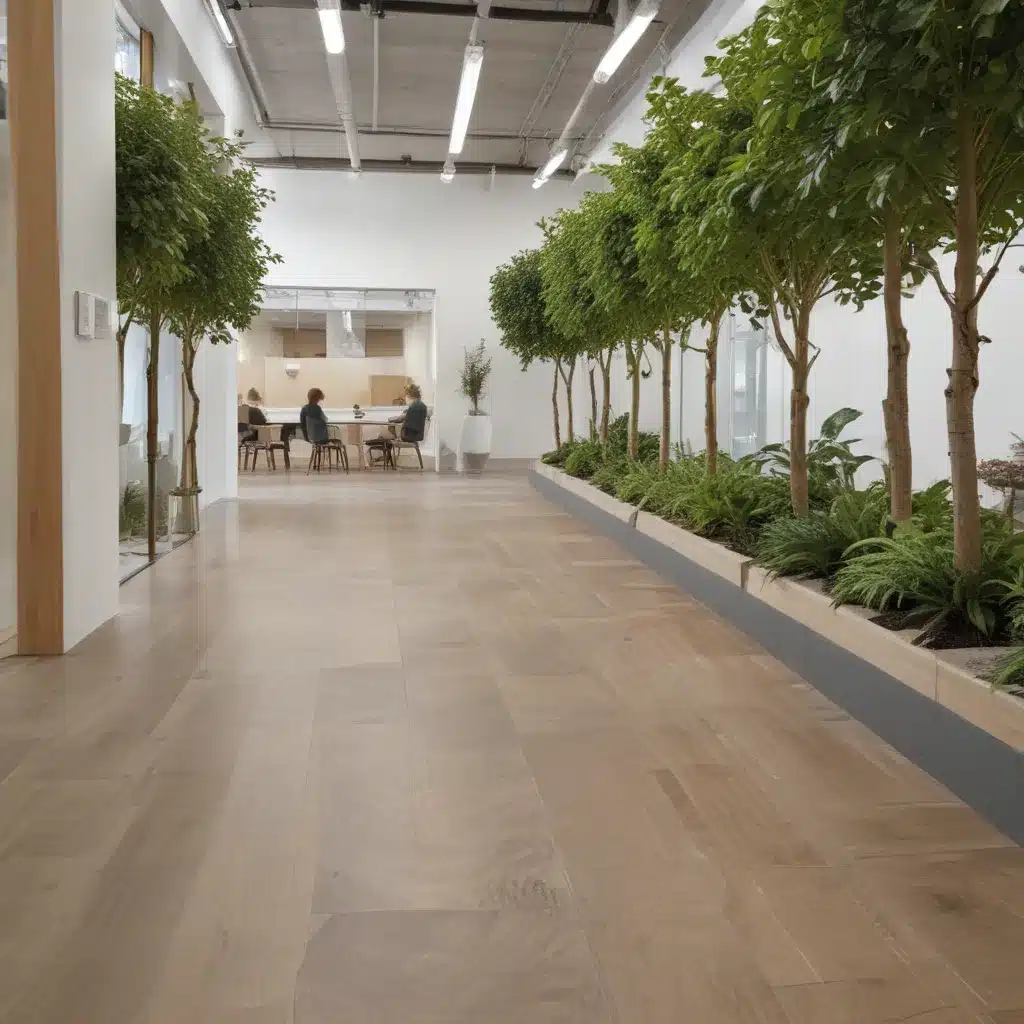
Bringing the outdoors in is a fundamental tenet of biophilic design, and raised flooring offers unique opportunities to incorporate lush greenery. Recessed planter beds integrated within the access floor field allow for the introduction of living plants, adding visual interest and opportunities for sensory engagement.
The strategic placement of these planter beds, perhaps leading occupants along a sinuous path or framing prospect views, can further enhance the biophilic experience. The sights, sounds, and even smells of thriving vegetation can have a remarkably calming effect, helping to reduce stress and improve cognitive function.
Simulating Natural Qualities
In cases where integrating living elements may be impractical, access flooring can still evoke biophilic qualities through careful design. Variegated patterns, irregular textures, and organic shapes in the flooring finish can subtly mimic the complexity and unpredictability found in nature. These design cues trigger a subconscious connection to the natural world, providing a soothing counterpoint to the rigid geometries often found in the built environment.
Likewise, diffused lighting strategies that cast soft, shifting shadows can recreate the dappled light effects of a forest canopy. The resulting visual complexity and ever-changing luminous qualities engage our senses and draw the eye, instilling a sense of wonder and fascination.
Connecting to Larger Systems
Biophilic design extends beyond the confines of a single space, acknowledging the broader systems and processes at play. In the context of raised flooring, this might involve thoughtful integration with building-wide water management or energy distribution strategies.
For example, trench drains integrated within the access floor plane could channel stormwater runoff, mimicking the natural flow of water through a landscape. Occupants would then experience this functional element not just as a utilitarian feature, but as a tangible connection to the building’s sustainable water systems.
Similarly, using the raised floor cavity to distribute radiant heating or cooling can create a subtle thermal variability, echoing the fluctuations found in the natural environment. The resulting thermal comfort and air quality enhancements contribute to overall occupant well-being.
Spatial Sequencing
Biophilic design is not just about incorporating natural elements; it’s also about crafting spatial experiences that evoke a sense of connection to the outdoors. Access flooring systems, with their potential for varied floor heights and recessed zones, can facilitate these kinds of restorative spatial journeys.
A raised platform, for instance, might offer a prospect view over the surrounding office, while sunken areas nearby provide a sense of refuge and enclosure. Occupants can then transition between these different spatial conditions, much like moving from an open savanna into a shaded grove.
By orchestrating a sequence of prospect, refuge, mystery, and other biophilic spatial qualities, the access flooring system becomes an integral part of a larger sensory experience. Occupants are gently guided through the space, their attention engaged and their stress levels reduced.
Harmonizing Materials and Patterns
The surface treatments of access flooring can also play a crucial role in establishing a biophilic aesthetic. By carefully harmonizing materials, colors, and patterns, designers can create a seamless integration between the raised floor and the surrounding environment.
For instance, wood-look finishes that echo the natural grain and tones of hardwood floors can help ground the space and forge connections to the outdoors. Subtle variations in color and texture across the flooring field can mimic the organic complexity of a natural landscape.
Similarly, integrated lighting that emphasizes these material qualities, casting soft, diffused illumination, can enhance the biophilic experience. The result is a floor plane that feels like a natural extension of the space, rather than a stark, manufactured element.
Regulatory Compliance and Maintenance
Of course, any successful raised flooring solution must also meet the relevant regulatory standards and maintain long-term performance. Biophilic design principles need not compromise these essential functional requirements.
Raised floors in the UK, for example, must comply with the PSA MOB PF2 PS/SPU and BSEN 12825 standards, addressing factors like load capacity, fire safety, and accessibility. Careful product selection and installation practices ensure these criteria are met without sacrificing the biophilic qualities.
Likewise, maintenance and longevity are critical considerations. Raised flooring systems should be designed for easy cleaning and upkeep, with modular components that can be selectively replaced as needed. This allows the biophilic elements to be preserved over the lifetime of the installation.
Conclusion
By embracing biophilic design principles, raised flooring systems can become so much more than just a technical solution. They can be transformative, restorative environments that actively enhance the health, well-being, and productivity of occupants.
From material selection to spatial sequencing, every aspect of the access flooring design must be considered through the lens of biophilia. The result is a harmonious, nature-inspired space that fosters a deep connection between people and their surroundings.
As we continue to navigate the challenges of the modern built environment, the integration of biophilic design in raised flooring systems offers a powerful pathway to creating spaces that are not only functional, but truly nurturing and rejuvenating. It is an approach that recognizes our fundamental need for nature, and delivers it in creative, thoughtful ways.
So, whether you’re a facilities manager, interior designer, or commercial client, I encourage you to embrace the power of biophilic raised flooring. The benefits to occupant well-being and environmental sustainability are simply too compelling to ignore. By investing in these principles, you can transform ordinary access flooring into an extraordinary experience.Statistic: 40% faster cooling with optimized floor layouts