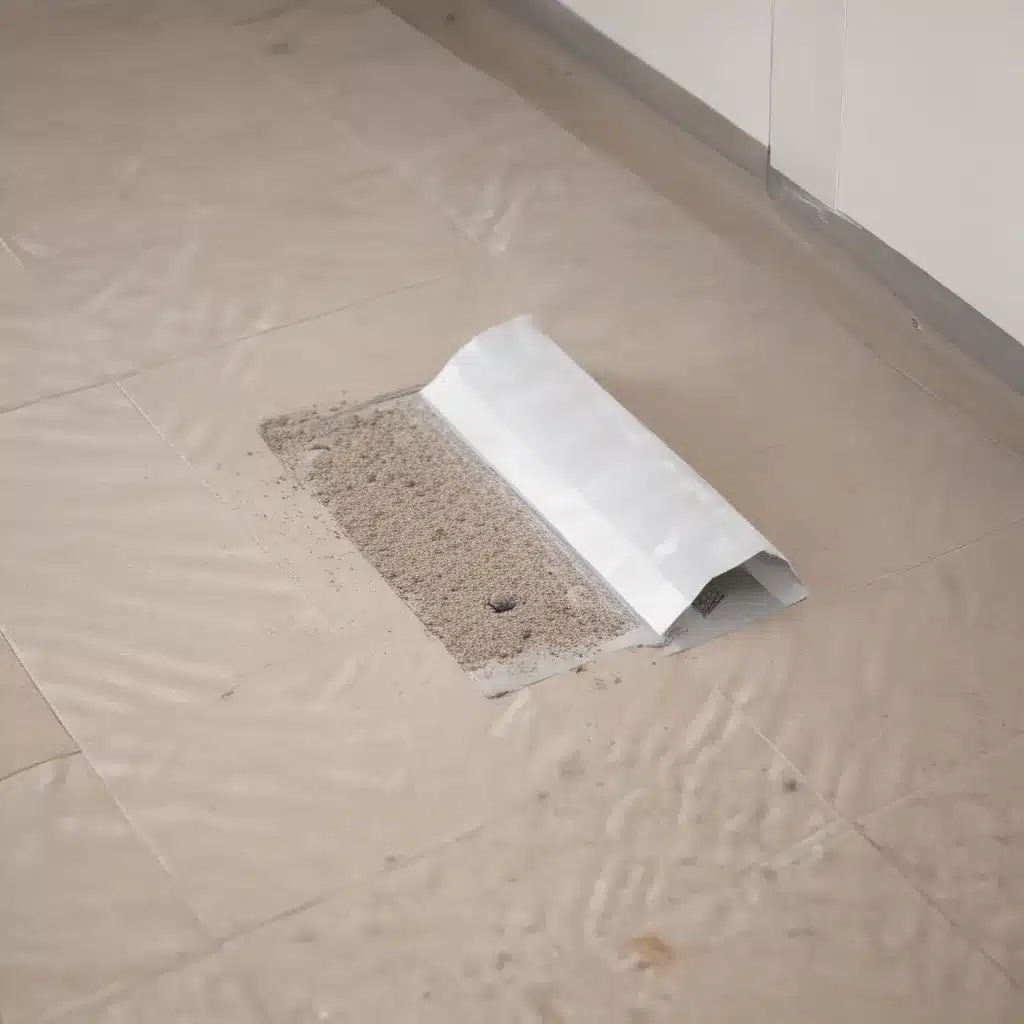
As an experienced raised flooring consultant, I have seen firsthand the critical role that advanced air filtration systems can play in enhancing indoor air quality (IAQ) within modern commercial and office environments. While the structural design, installation, and maintenance of raised access flooring are essential considerations, integrating sophisticated air filtration technologies can truly elevate the health, comfort, and productivity of building occupants.
Airflow Management in Raised Flooring Systems
At the heart of any high-performance raised flooring system lies the careful management of airflow. The raised floor plenum – the space between the structural subfloor and the raised access floor panels – serves as a critical air distribution pathway, facilitating the introduction of fresh outdoor air and the circulation of conditioned air throughout the occupied space.
Ventilation Strategies
Proper ventilation is a cornerstone of maintaining indoor air quality. In raised flooring applications, ventilation can be achieved through a variety of methods. Underfloor air distribution (UFAD) systems, for example, leverage the raised floor plenum to deliver conditioned air upwards through strategically placed floor diffusers. This delivery method helps promote effective air mixing and displacement, flushing out stale, polluted air. Alternatively, perimeter displacement ventilation systems introduce fresh air along the building’s exterior walls, allowing it to naturally circulate inwards.
Regardless of the ventilation approach, it is essential that the system be designed and installed to ensure adequate outdoor air exchange rates. UK regulatory standards, such as BSEN 12825, provide detailed guidelines on minimum ventilation requirements based on factors like occupancy levels and space usage.
Ductwork Integration
The raised floor plenum can also serve as a conduit for distributing ductwork to strategically place air supply and return grilles. By integrating the HVAC ductwork into the underfloor space, complex ceiling-mounted systems can be avoided, simplifying installation and maintenance. Additionally, locating the ductwork in the raised floor allows for greater flexibility in modifying air distribution as occupancy or layout changes over time.
Perimeter Sealing
To maintain the efficiency and effectiveness of the ventilation system, it is crucial to ensure a well-sealed raised flooring installation. Gaps and cracks around the perimeter of the floor can compromise airflow, leading to uneven air distribution and the potential ingress of unfiltered outdoor air or other pollutants. Careful sealing of the joint between the raised access floor and the surrounding walls or partitions is essential.
Advanced Air Filtration Technologies
While optimizing ventilation is a vital step in improving indoor air quality, the integration of advanced air filtration technologies within the raised flooring system can further enhance the removal of airborne contaminants. Three key filtration methods stand out for their effectiveness in commercial and office environments:
HEPA Filtration
High-Efficiency Particulate Air (HEPA) filters are renowned for their exceptional ability to capture even the smallest airborne particles, including dust, pollen, mold spores, and some viruses. By installing HEPA filters within the raised floor plenum or at strategic air supply points, building owners can ensure that a high percentage of these microscopic pollutants are removed from the circulating air.
Activated Carbon Filters
Alongside particulate filtration, activated carbon filters excel at the adsorption of gaseous contaminants, such as volatile organic compounds (VOCs), odors, and certain chemicals. These filters are particularly valuable in office environments where outgassing from furnishings, cleaning products, and other sources can degrade indoor air quality.
Ultraviolet Germicidal Irradiation
The integration of ultraviolet germicidal irradiation (UVGI) technology within the raised flooring system can provide an additional layer of protection against airborne pathogens. UVGI systems use high-intensity ultraviolet-C (UVC) light to inactivate bacteria, viruses, and other microorganisms, helping to prevent the spread of illnesses within the building.
By combining these advanced filtration methods, building owners and facility managers can create a comprehensive, multi-stage air purification system that effectively removes a wide range of airborne contaminants, ensuring healthier, cleaner indoor air for occupants.
Maintenance and Accessibility
Maintaining the performance of the air filtration technologies integrated into a raised flooring system is crucial to sustaining optimal indoor air quality over the long term. The modular design of raised access floors provides several advantages in this regard.
Removable Floor Panels
The ability to easily remove individual floor panels grants direct access to the underfloor plenum, facilitating routine inspection, cleaning, and filter replacement. This accessibility allows facility staff to proactively address any issues, such as dust buildup or filter degradation, before they can compromise the system’s performance.
Pedestal Inspection
In addition to the floor panels, the raised floor pedestals that support the access floor system should be regularly inspected. Ensuring these structural components remain in good condition, with proper adjustment and leveling, helps maintain the integrity of the overall system and the effectiveness of the integrated air filtration.
Cleaning and Disinfection
Periodic cleaning and disinfection of the raised floor plenum and associated components is essential. This not only preserves the functionality of the air filtration system but also helps prevent the growth of mold, bacteria, or other microorganisms that could degrade indoor air quality. Facility managers should follow manufacturer guidelines and industry best practices for safe, thorough cleaning protocols.
Environmental Sustainability
As sustainability becomes an increasingly vital consideration in modern construction and building operations, the environmental impact of raised flooring systems equipped with advanced air filtration technologies must also be addressed.
Recycled Content
Many leading manufacturers of raised access flooring products now incorporate recycled content into their panel and pedestal designs, reducing the environmental footprint of the materials used. Similarly, the air filtration components, such as HEPA and carbon filters, can be specified to contain post-consumer recycled materials.
Energy Efficiency
The integration of energy-efficient ventilation and air filtration technologies can also contribute to the overall sustainability of a raised flooring system. By minimizing the energy required to power the air distribution and purification systems, building owners can realize lower operating costs and a reduced carbon footprint.
Recyclability at End of Life
When the raised flooring system reaches the end of its useful life, the modular design allows for easy disassembly and recycling of the individual components. This closed-loop approach helps divert materials from landfills and supports the transition to a more circular economy.
By considering these environmental factors alongside the technical performance and indoor air quality benefits, building professionals can specify raised flooring systems that align with their sustainability goals and offer long-term value to both the building and its occupants.
Conclusion
As the importance of healthy, productive indoor environments continues to grow, the integration of advanced air filtration technologies within raised access flooring systems has emerged as a critical strategy for commercial and office building owners. By optimizing ventilation, deploying state-of-the-art filtration methods, and ensuring proper maintenance, these innovative flooring solutions can significantly enhance indoor air quality and contribute to the overall well-being of building occupants. As an experienced raised flooring consultant, I strongly encourage facility managers and construction professionals to explore the possibilities of this holistic approach to improving the air we breathe indoors.