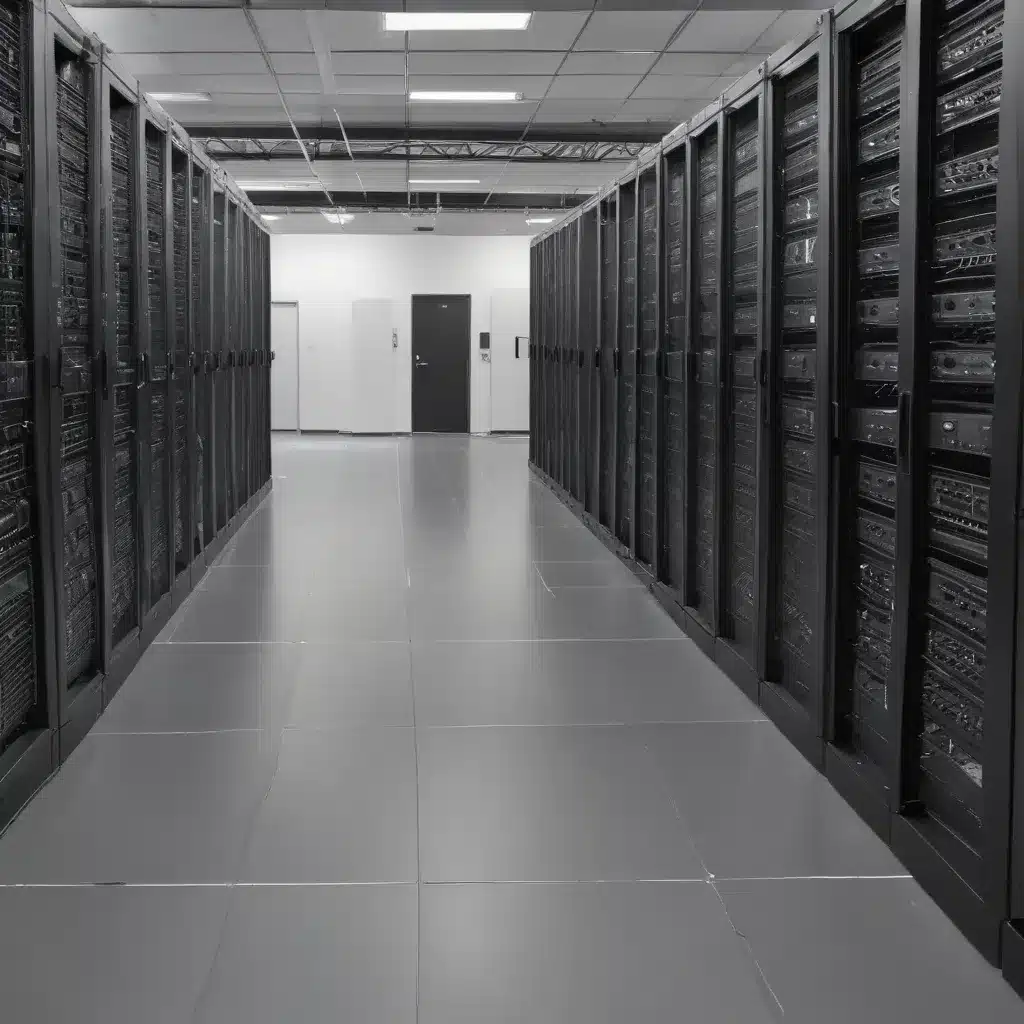
Achieving Optimal Airflow and Cooling in Data Centres with Advanced Raised Flooring
In today’s data-driven world, efficient cooling has become paramount for the reliable, cost-effective, and sustainable operation of data centres. As these critical facilities house the servers, storage devices, and networking equipment that power our increasingly digital lives, maintaining optimal airflow and temperature control is a challenge that requires strategic thinking and innovative solutions.
One such solution that has emerged as a game-changer in the data centre cooling landscape is the implementation of advanced raised access flooring systems. These versatile, modular platforms not only provide a flexible infrastructure for integrating power, data, and cooling services but also play a vital role in enhancing airflow management and improving overall cooling efficiency.
Structural Design and Specifications
At the core of an effective raised access flooring system lies its structural integrity and adaptability. Load-bearing capacity is a crucial consideration, as data centres house a significant amount of heavy equipment that must be supported without compromising the system’s stability. Raised access floors are engineered to withstand substantial point loads, often exceeding 1,000 lbs per square foot, ensuring the safe and reliable deployment of server racks, cooling units, and other essential infrastructure.
The ability to adjust pedestal height is another key feature that allows data centre operators to tailor the underfloor environment to their specific needs. This flexibility enables the precise routing of electrical cables, data lines, and cooling ducts, optimising airflow and service integration throughout the facility.
The modular nature of raised access panels further enhances the system’s adaptability. These lightweight, interchangeable components can be easily removed, replaced, or reconfigured as required, accommodating changes in equipment layout, cooling requirements, or infrastructure upgrades without major disruption to ongoing operations.
Airflow Management
Effective airflow management is the cornerstone of efficient data centre cooling, and raised access flooring systems play a pivotal role in this regard. The underfloor plenum, the space between the structural floor and the raised access panels, serves as a dedicated pathway for the distribution of cool air from the cooling units to the server racks above.
Perforated panels strategically placed within the raised flooring system allow for the controlled delivery of cool air, directing it precisely where it’s needed most. By positioning these perforated tiles over high-density server clusters or hot spots, data centre operators can ensure that cooling is targeted and effective, preventing the formation of warm pockets that can compromise equipment performance.
Innovative airflow optimisation strategies, such as hot aisle/cold aisle containment, further enhance the efficiency of raised access flooring systems. By physically separating the hot exhaust air from the cool intake air, these containment solutions prevent the mixing of hot and cold airstreams, reducing the workload on the cooling system and improving overall cooling effectiveness.
Cable and Service Integration
Raised access flooring systems offer a versatile platform for the seamless integration of power, data, and cooling services within the data centre. Cable management is greatly simplified, as electrical wiring, data cables, and cooling ducts can be routed through the underfloor plenum, keeping them organised, accessible, and out of sight.
This approach not only enhances the overall aesthetics of the data centre but also facilitates easy maintenance and upgrades. Should the need arise to add, modify, or replace any of these services, the modular design of the raised access flooring system allows for quick and efficient interventions, minimising downtime and disruption to ongoing operations.
Regulatory Compliance and Standards
Data centre operations are subject to a range of regulatory requirements and industry standards designed to ensure the safety, reliability, and sustainability of these critical facilities. Raised access flooring systems are engineered to meet or exceed the relevant guidelines, providing data centre operators with the peace of mind that their infrastructure is compliant and future-proof.
Fire safety is a paramount concern, and raised access flooring systems incorporate features such as integrated fire barriers and smoke/fire containment systems to mitigate the risk of fire-related incidents. Additionally, seismic resistance is a key consideration, especially in regions prone to earthquakes, ensuring that the raised access flooring system can withstand the forces of ground movement without compromising its structural integrity.
Increasingly, environmental sustainability has become a focal point for data centre operators, with a growing emphasis on minimising the carbon footprint and energy consumption of these facilities. Raised access flooring systems contribute to this goal by facilitating efficient airflow management, which in turn reduces the energy required for cooling, and by utilising materials and manufacturing processes that align with green building standards.
Benefits of Raised Flooring
The implementation of advanced raised access flooring systems in data centres offers a multitude of benefits that contribute to enhanced performance, reliability, and sustainability.
Improved Cooling Efficiency
Perhaps the most significant advantage of raised access flooring in data centres is its ability to optimise airflow and cooling efficiency. By creating a dedicated underfloor plenum for cool air distribution, these systems ensure that cooling is targeted and effective, reducing the risk of hot spots and minimising the energy required to maintain optimal operating temperatures.
Flexible Infrastructure
The modular, reconfigurable nature of raised access flooring allows data centre operators to adapt their infrastructure quickly and easily to accommodate changes in equipment layout, cooling requirements, or service integration. This flexibility enables them to respond to evolving business needs and technological advancements without costly and disruptive facility overhauls.
Accessible Maintenance
Raised access flooring systems provide easy accessibility to the underfloor environment, simplifying the maintenance and servicing of electrical, data, and cooling systems. This accessibility translates to reduced downtime, faster issue resolution, and enhanced overall reliability of the data centre’s critical infrastructure.
Installation and Implementation
Deploying a raised access flooring system in a data centre requires careful planning and execution to ensure a seamless integration with the existing infrastructure and ongoing operations.
Site Preparation
Proper site preparation is crucial, including the assessment of the structural integrity of the subfloor, the identification of any potential obstructions or service penetrations, and the determination of the optimal raised floor height to accommodate the necessary cabling, ductwork, and cooling equipment.
Subfloor Considerations
The condition and composition of the subfloor play a significant role in the successful installation of a raised access flooring system. Ensuring a level, stable, and load-bearing subfloor is essential to maintain the structural integrity and performance of the raised access flooring system.
Deployment Strategies
Data centre operators can choose from a variety of deployment strategies when implementing a raised access flooring system, such as a full-floor installation or a modular, zone-based approach. The selected strategy should consider factors like the facility’s size, the complexity of the existing infrastructure, and the need for phased or incremental upgrades.
Maintenance and Lifecycle Management
Ensuring the long-term performance and reliability of a raised access flooring system in a data centre requires a comprehensive maintenance and lifecycle management plan.
Cleaning and Inspection
Regular cleaning and inspections of the raised access flooring system, including the underfloor plenum, are essential to maintain optimal airflow and prevent the buildup of dust, debris, or other contaminants that can impede cooling efficiency.
Damage Repair
Occasional damage to the raised access flooring, such as cracked or dented panels, may occur due to the high-traffic nature of data centre environments. Prompt identification and repair of such issues are crucial to maintain the system’s structural integrity and prevent any disruptions to cooling or service delivery.
Upgrades and Retrofits
As data centre requirements evolve and new technologies emerge, upgrading or retrofitting the raised access flooring system may be necessary. The modular design of these systems facilitates such changes, allowing data centre operators to seamlessly integrate new components or reconfigure the existing infrastructure to meet their evolving needs.
Raised access flooring systems have become an indispensable element in the quest for efficient, reliable, and sustainable data centre operations. By optimising airflow management, facilitating flexible infrastructure, and enabling accessible maintenance, these advanced systems play a vital role in ensuring that data centres can continue to power our digital world with unparalleled performance and energy efficiency. As the demand for data centre capacity and energy-efficient cooling solutions continues to grow, the strategic deployment of raised access flooring systems will remain a critical strategy for data centre operators striving to future-proof their critical infrastructure.

