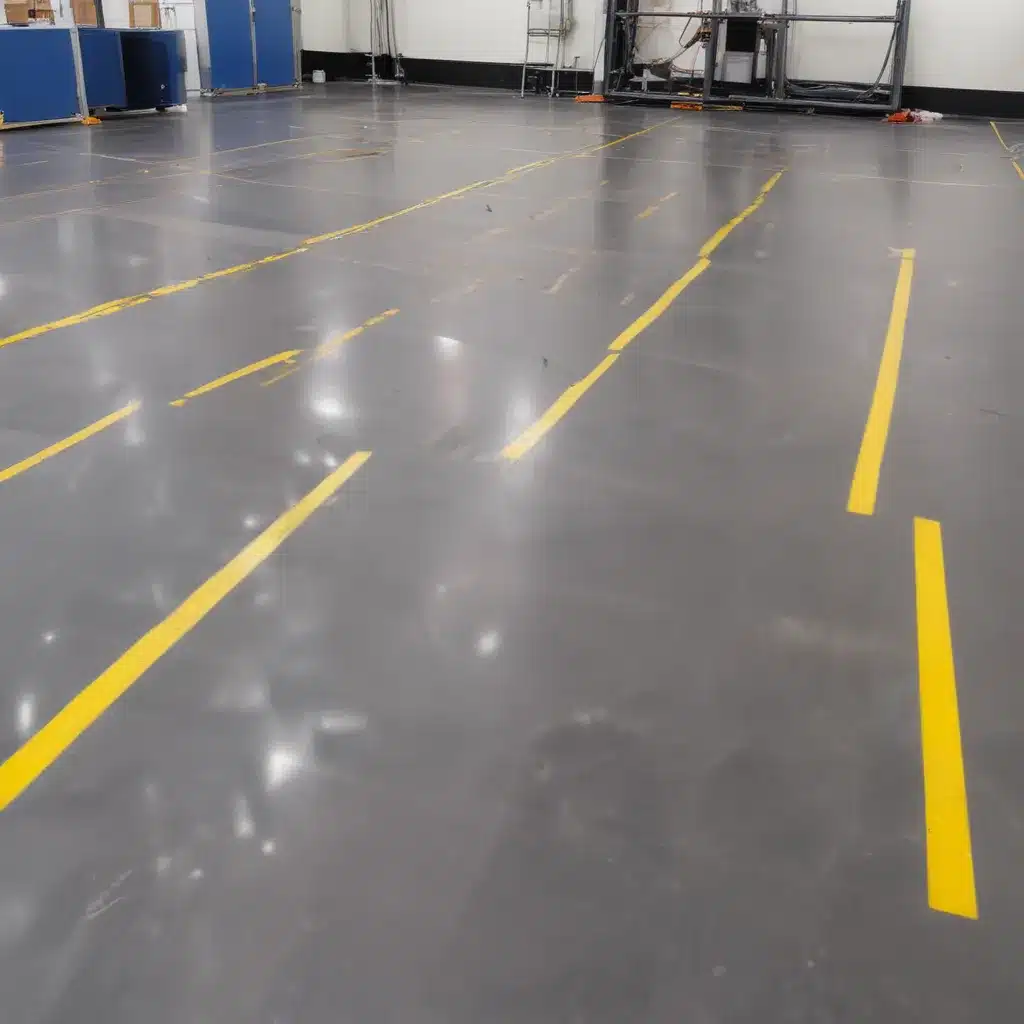
Raised access flooring systems are a crucial component in modern commercial and industrial environments, particularly in facilities housing robotic and automated processes. These versatile flooring solutions not only offer unparalleled flexibility and reconfigurability, but they also play a vital role in managing the risks posed by static electricity buildup – a critical consideration for safeguarding sensitive electronic equipment and ensuring seamless operation.
Structural Design and Load Capacity
At the heart of any robust raised access flooring system lies its structural integrity and load-bearing capabilities. The steel encapsulated panels and adjustable pedestals that make up the subfloor must be engineered to support the weight of heavy equipment, including industrial robots, automated material handling systems, and other mission-critical assets.
Careful consideration of the load-bearing capacity is essential. The panels should be tested and rated to withstand the anticipated static and dynamic loads, ensuring the stability and safety of the workspace. Equally important is the ability to precisely level and adjust the pedestals to accommodate uneven subfloors and maintain a consistently flat surface – a critical requirement for the smooth and precise movement of robotic systems.
Electrostatic Discharge (ESD) Management
In facilities housing robotic and automated processes, the management of static electricity generation and electrostatic discharge (ESD) is a paramount concern. Robotic systems and sensitive electronic components are highly susceptible to ESD, which can lead to costly equipment damage, data loss, and process interruptions.
Raised access flooring systems play a pivotal role in ESD control through the strategic selection of conductive flooring materials. Panels incorporating conductive or dissipative surfaces are designed to safely channel static electricity to ground, preventing the buildup of harmful charges. The use of appropriate grounding and bonding techniques further enhances the system’s ability to mitigate ESD risks.
Cable Management and Airflow
The underfloor cavity of a raised access flooring system serves as a versatile conduit for cable routing and distribution, allowing for the organized and concealed management of power, data, and control cables. This strategic arrangement not only enhances the aesthetics of the workspace but also simplifies maintenance and reconfiguration – a crucial advantage in rapidly evolving robotic and automated environments.
Importantly, the raised floor design must also integrate seamlessly with the facility’s HVAC system, ensuring efficient airflow and temperature regulation within the workspace. This harmonious integration helps maintain the optimal operating conditions for sensitive robotic and electronic equipment, contributing to their reliable and uninterrupted performance.
Regulatory Compliance
Raised access flooring systems deployed in robotic and automated facilities must adhere to a range of safety standards and regulatory requirements. Compliance with BSEN 12825, the European standard for raised access floors, ensures the system meets strict guidelines for structural integrity, load capacity, and ESD control.
Furthermore, adherence to PSA (Property Services Agency) specifications and other relevant industry guidelines demonstrates a commitment to quality, safety, and environmental sustainability – crucial factors for organizations seeking to future-proof their facilities and maintain a competitive edge.
Application in Robotic and Automated Processes
The flexibility and reconfigurability of raised access flooring systems make them an ideal choice for robotic and automated workspaces. The modular design allows for the easy integration of robotic cells, conveyors, and other automated equipment, enabling the efficient reconfiguration of the workspace to accommodate evolving production needs.
In cleanroom and controlled environments, raised access flooring systems provide a seamless, ESD-compliant surface that supports the stringent cleanliness and contamination control requirements of these specialized facilities. The underfloor cavity also facilitates the integration of HEPA filtration systems and other critical infrastructure, ensuring a meticulously managed environment for sensitive robotic and automated processes.
Installation and Implementation
Successful implementation of raised access flooring systems in robotic and automated facilities requires careful site preparation and meticulous panel layout and installation. Precise measurements, adjustments, and leveling of the pedestals are essential to ensure a flat, stable surface that can accommodate the dynamic movements and precise positioning requirements of robotic systems.
The modular nature of raised access flooring allows for easy expansion and modification as the facility’s needs evolve. Whether it’s the addition of new robotic cells, the reconfiguration of existing workstations, or the integration of updated equipment, the raised floor system can be easily adapted to meet changing requirements.
Performance Characteristics
Robust raised access flooring systems designed for robotic and automated processes must demonstrate exceptional durability and lifespan. The flooring panels and pedestals should be able to withstand the increased foot traffic, heavy loads, and potential impacts associated with these dynamic environments without compromising their structural integrity or ESD control capabilities.
Additionally, the flooring system should offer thermal and acoustic properties that contribute to the overall comfort and productivity of the workspace. Effective thermal regulation and sound insulation can help create an environment that is conducive to the optimal performance of both human workers and robotic systems.
Maintenance and Upkeep
Maintaining the integrity and functionality of a raised access flooring system in a robotic and automated facility requires a proactive approach to cleaning, disinfection, and pedestal adjustment. Regular inspections and preventive maintenance are essential to ensure the system continues to meet the strict ESD control requirements and support the reliable operation of the robotic and automated equipment.
In the event of panel or pedestal damage, the modular design of raised access flooring systems facilitates selective replacement and upgrades, minimizing downtime and disruption to the overall facility operations. By partnering with experienced raised flooring consultants, organizations can develop a comprehensive maintenance plan that safeguards their investment and ensures the long-term performance of their robotic and automated processes.
By addressing the unique challenges posed by static electricity and incorporating robust design strategies, raised access flooring systems can play a crucial role in enabling the reliable and efficient operation of robotic and automated processes within modern commercial and industrial environments. As organizations continue to embrace the benefits of automation and robotics, the demand for specialized flooring solutions that support these technologies will only continue to grow. To learn more about how raised access flooring can enhance your robotic and automated processes, visit Raised Flooring UK.

