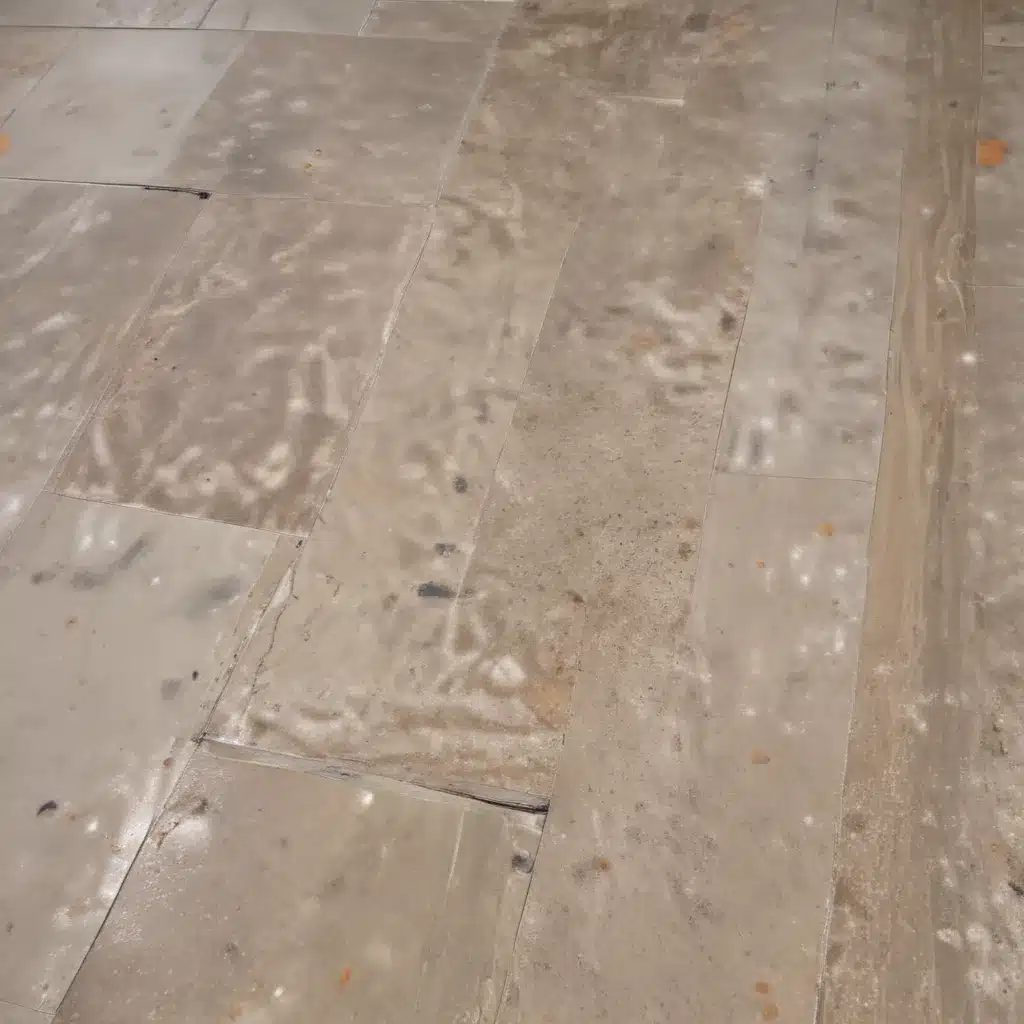
Raised access flooring systems have become increasingly popular in modern commercial and office environments across the United Kingdom. These innovative floor solutions offer unparalleled flexibility, adaptability, and ease of access for essential building services such as electrical wiring, telecommunications, and HVAC systems. However, effective moisture management is a crucial, yet often overlooked, aspect of ensuring the long-term performance and integrity of raised flooring installations.
As an experienced raised flooring consultant at Raised Flooring UK, I’ve seen firsthand the importance of proactively addressing moisture-related challenges. In this comprehensive guide, we’ll explore the various considerations involved in assessing and managing moisture for raised access flooring systems, covering everything from design strategies and installation best practices to maintenance and regulatory compliance.
Structural Performance
The structural performance of a raised flooring system is directly influenced by its ability to withstand and mitigate the effects of moisture. Proper moisture management is essential to maintaining the load-bearing capacity, stability, and overall durability of the access floor.
Load Capacity
The load-bearing capacity of a raised flooring system is a critical factor, as it determines the maximum weight that can be safely supported without compromising the floor’s integrity. Excessive moisture can dramatically impact the load capacity, leading to warping, deformation, or even structural failure of the floor panels and pedestals.
To ensure the system meets the required load-bearing specifications, it’s essential to carefully select materials and components that are resistant to moisture-induced degradation. For example, steel-encapsulated floor panels or high-density calcium sulfate panels are often preferred over standard wood-based options, as they are less susceptible to moisture-related swelling, warping, or decay.
Pedestal Adjustment
Raised flooring systems rely on a network of adjustable pedestals to create the necessary void space underneath the access floor. These pedestals must be able to withstand the effects of moisture without compromising their stability or load-bearing capabilities.
In areas with high humidity or potential water exposure, it’s crucial to specify pedestals made from materials such as galvanized steel or stainless steel, which are less prone to corrosion and deterioration. Additionally, ensuring optimal pedestal adjustment during the installation process can help mitigate the risks associated with uneven surfaces caused by moisture-related changes in the subfloor.
Floor Panel Design
The design of the individual floor panels plays a crucial role in managing moisture within a raised flooring system. Panels with a high degree of water resistance, such as those made from calcium sulfate or metal-reinforced composites, are better equipped to withstand exposure to moisture without compromising their structural integrity.
In high-risk areas, the use of raised access floor panels with integrated seals or gaskets can further enhance the system’s ability to resist the ingress of moisture, preventing it from reaching the subfloor or critical building services below.
Environmental Considerations
The surrounding environment, including temperature and humidity levels, can have a significant impact on the performance and moisture management of raised flooring systems. Addressing these environmental factors is essential for ensuring the long-term functionality and reliability of the access floor.
Temperature and Humidity
Raised flooring systems installed in areas with high temperature and humidity levels are more susceptible to moisture-related challenges. Coastal regions, for example, often experience elevated moisture levels that can lead to condensation, mold growth, and accelerated deterioration of the flooring components.
To mitigate these risks, careful consideration should be given to the selection of materials and the overall system design. The use of moisture-resistant coatings or sealants on the floor panels and pedestals can help create a barrier against the effects of high humidity. Additionally, incorporating thermal insulation within the raised floor void can prevent the formation of condensation and promote a more stable indoor environment.
Ventilation and Airflow
Proper ventilation and airflow management are crucial for maintaining a dry and healthy environment within the raised floor void. Inadequate airflow can lead to the buildup of moisture, creating an ideal breeding ground for mold, mildew, and other moisture-related issues.
By incorporating strategically placed ventilation openings or air circulation fans within the raised flooring system, you can facilitate the movement of air and prevent the accumulation of moisture. This helps to maintain a consistent and manageable moisture level, preserving the longevity and performance of the access floor.
Thermal Insulation
The inclusion of thermal insulation within the raised floor void can play a vital role in moisture management. Insulation materials, such as rigid foam boards or spray-applied foams, can help regulate temperature and minimize the risk of condensation formation, which can otherwise lead to moisture-related problems.
When selecting insulation for a raised flooring system, it’s essential to consider factors such as thermal performance, vapor permeability, and compatibility with the specific components of the access floor. The right insulation solution can not only enhance moisture management but also improve the overall energy efficiency of the building.
Functional Features
Raised access flooring systems are designed to provide a flexible and adaptable platform for integrating various building services and equipment. Effective moisture management is crucial in maintaining the functionality and accessibility of these features.
Cable Management
One of the primary advantages of raised flooring systems is their ability to accommodate and organize cables, wiring, and other building services. However, the presence of moisture within the floor void can pose a significant risk to the integrity and performance of these critical components.
To mitigate moisture-related issues, it’s essential to ensure proper cable management practices, such as the use of cable trays, raceways, or sleeves. These solutions not only protect the cables from direct exposure to moisture but also facilitate easy access and maintenance, should any issues arise.
Equipment Integration
Raised flooring systems often serve as a platform for integrating various types of equipment, such as HVAC units, data servers, or specialized machinery. Moisture can have a detrimental effect on the performance and longevity of this equipment, leading to corrosion, electrical malfunctions, or even complete failure.
To safeguard against moisture-related risks, it’s crucial to carefully evaluate the compatibility of equipment with the raised flooring environment. This may involve the use of water-resistant enclosures, protection from condensation, or the implementation of monitoring systems to detect and address any moisture-related issues promptly.
Accessibility and Maintenance
Maintaining the accessibility and ease of maintenance within a raised flooring system is essential for addressing moisture-related challenges. The ability to quickly access and inspect the floor void, as well as to perform targeted repairs or cleaning, can significantly enhance the system’s long-term performance.
Strategies such as modular panel designs or removable pedestals can facilitate the accessibility of the raised floor, allowing for efficient moisture monitoring, remediation, and routine maintenance. By incorporating these features, facility managers can proactively address moisture-related problems before they escalate and compromise the overall functionality of the access floor.
Regulatory Compliance
Raised access flooring systems in the UK must adhere to various building codes, safety standards, and sustainability guidelines to ensure the health, safety, and environmental impact of the installation. Effective moisture management is a critical component of compliance in these areas.
Building Codes
The Building Regulations in the UK (Approved Document F: Ventilation and Approved Document C: Site Preparation and Resistance to Contaminants and Moisture) provide specific requirements and guidelines for managing moisture within building structures, including raised flooring systems.
Compliance with these regulations may involve the implementation of vapor barriers, damp-proof membranes, or appropriate ventilation strategies to prevent the ingress and accumulation of moisture. Careful consideration of these building code requirements is essential for ensuring the long-term performance and regulatory compliance of the raised flooring installation.
Safety Standards
Moisture-related issues within a raised flooring system can pose significant safety risks, such as increased slip and fall hazards or the potential for electrical shocks. Adherence to relevant safety standards, such as BS EN 12825: Raised Access Floors, is crucial to mitigate these risks.
These standards provide guidance on factors like load-bearing capacity, panel construction, and accessibility requirements, all of which are directly impacted by effective moisture management. By ensuring compliance with these safety standards, you can safeguard the well-being of building occupants and maintain the overall integrity of the raised flooring system.
Sustainability Guidelines
In the pursuit of environmentally responsible and energy-efficient buildings, raised flooring systems must also meet various sustainability guidelines and certifications. Moisture management plays a crucial role in this regard, as it can impact the long-term performance, energy efficiency, and life cycle of the access floor.
Compliance with sustainable design standards, such as BREEAM (Building Research Establishment Environmental Assessment Method) or the UK Green Building Council’s guidelines, may involve considerations like the selection of moisture-resistant materials, the implementation of effective ventilation strategies, and the optimization of the system’s thermal performance. By addressing moisture management in line with these sustainability guidelines, you can contribute to the overall environmental impact and energy efficiency of the building.
Conclusion
Effective moisture management is a critical aspect of ensuring the long-term performance, functionality, and compliance of raised access flooring systems in the UK. By addressing the structural, environmental, and functional considerations outlined in this guide, you can safeguard the integrity of your raised flooring installation and enhance the overall user experience.
Remember, regular inspections, proactive maintenance, and prompt remediation of any moisture-related issues are essential for preserving the reliability and longevity of your raised flooring system. By staying vigilant and implementing best practices in moisture management, you can unlock the full potential of these innovative floor solutions and provide your clients with a high-performing, adaptable, and sustainable commercial environment.
For more information on raised flooring systems and moisture management strategies, feel free to explore the resources available on our website at raised-flooring.co.uk. Our team of experienced consultants is here to assist you in navigating the complexities of raised access flooring and ensuring your projects meet the highest standards of quality and performance.Tip: Always verify floor load ratings with structural engineers

