In the modern commercial and office environments of the UK, raised access flooring systems have become the go-to solution for versatile cable and service management, enhanced thermal and acoustic performance, and flexible layout configurations. As these advanced flooring systems continue to gain prominence, the importance of proper cleaning and decontamination practices cannot be overstated.
Eco-friendly raised flooring solutions, designed with sustainability in mind, offer numerous benefits in terms of material selection, indoor air quality, and environmental impact. However, maintaining the cleanliness and hygiene of these systems requires a nuanced approach that balances thorough decontamination with the preservation of their inherent eco-friendly attributes.
Raised Flooring Components and Cleaning Considerations
The key components of a raised access flooring system, including structural panels, pedestals, and underfloor spaces, each present unique cleaning and decontamination challenges.
Structural Panels
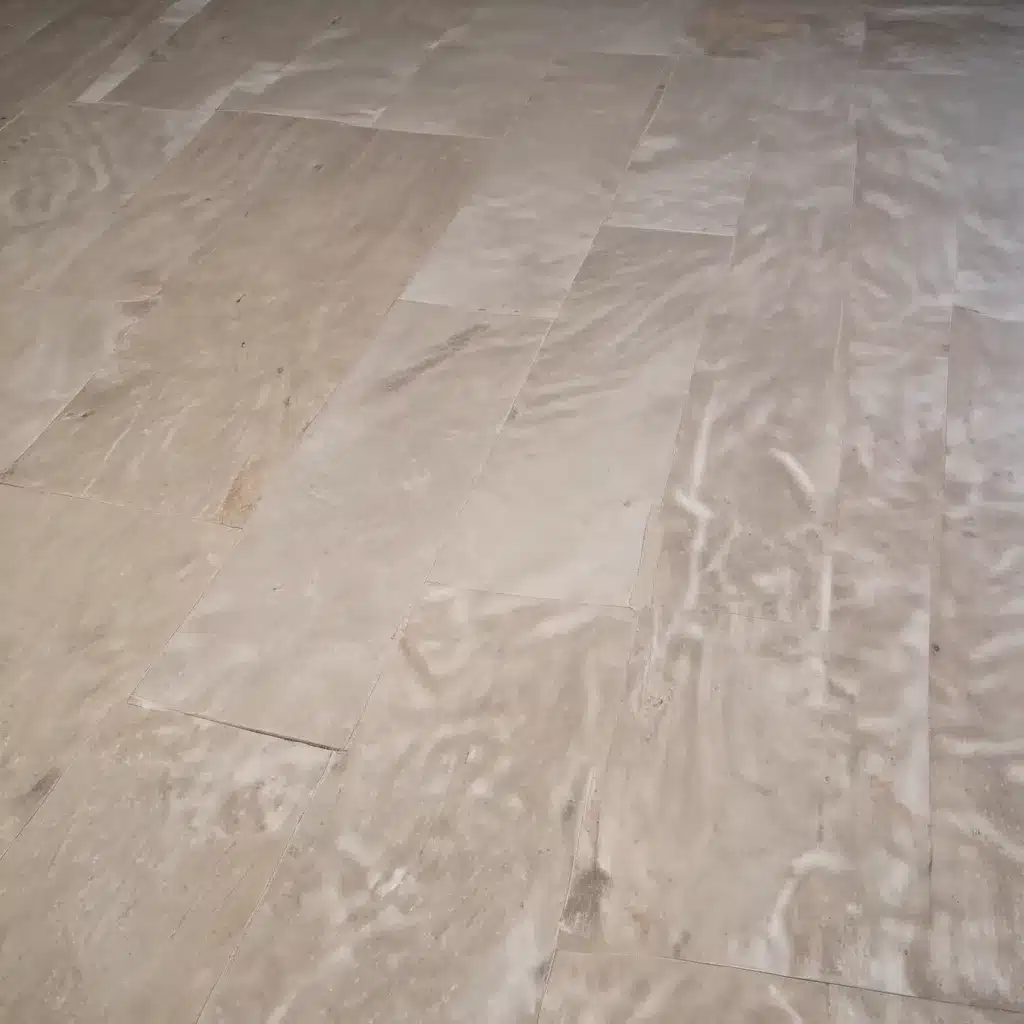
The structural panels, typically made of materials such as steel-encapsulated particle board or calcium sulfate, form the visible surface of the raised floor. These panels must be cleaned regularly to maintain their appearance and prevent the buildup of dirt, dust, and other contaminants. The choice of cleaning methods and products should consider the panels’ surface finish, as well as any coatings or treatments applied to enhance their durability or performance.
Pedestals and Supports
The access floor pedestals and their associated support structures are critical components that require meticulous attention during the cleaning process. These elements are often concealed beneath the panels, making them vulnerable to the accumulation of debris and the potential growth of microorganisms. Careful vacuuming, wiping, and disinfection of the pedestal systems are essential to ensure the structural integrity and long-term performance of the raised flooring.
Underfloor Space
The underfloor void created by the raised access flooring system is a crucial area that demands thorough cleaning and decontamination. This space serves as a vital pathway for cables, ductwork, and other building services, and it can easily become a repository for dust, debris, and even microbial growth if not properly maintained. Specialized techniques, such as high-powered vacuuming and the use of antimicrobial treatments, may be necessary to keep the underfloor environment clean and hygienic.
Cleaning and Decontamination Methods
Effectively cleaning and decontaminating eco-friendly raised flooring systems requires a combination of tailored techniques and eco-friendly cleaning products. Here are some recommended approaches:
Dry Cleaning
Dry cleaning methods, such as high-efficiency particulate air (HEPA) vacuuming, are essential for removing loose dirt, dust, and other particulates from the surface of the raised flooring panels and the underfloor void. These techniques minimize the risk of spreading contaminants and are particularly effective for maintaining the cleanliness of the system’s components.
Wet Cleaning
For more stubborn soiling or disinfection purposes, wet cleaning methods can be employed. The use of eco-friendly cleaning solutions, such as those based on natural surfactants or plant-derived degreasers, helps to maintain the environmental integrity of the raised flooring system. These solutions should be selected carefully to ensure compatibility with the materials used in the construction of the panels and other components.
Steam Cleaning
Steam cleaning is an effective and eco-friendly option for the decontamination of raised access flooring systems. The high temperature of the steam not only helps to lift and remove dirt and grime but also has the added benefit of killing a wide range of microorganisms, including bacteria, viruses, and fungi. This approach is particularly well-suited for areas with high hygiene requirements, such as healthcare facilities or clean room environments.
Antimicrobial Treatments
In addition to physical cleaning methods, the application of antimicrobial treatments can help to maintain the long-term cleanliness and hygiene of raised flooring systems. These treatments, which may be based on natural or synthetic antimicrobial agents, can be applied to the underfloor void, pedestal systems, and even the panels themselves to inhibit the growth of microorganisms and prevent the spread of contamination.
Cleaning Frequency and Scheduling
The frequency of cleaning and decontamination for eco-friendly raised flooring systems will depend on a variety of factors, including:
- Facility Type: Environments with higher foot traffic, such as commercial offices or healthcare settings, may require more frequent cleaning than low-traffic areas.
- Underfloor Activity: Spaces with a high concentration of cables, ductwork, or other building services may need more regular maintenance to prevent the buildup of debris.
- Regulatory Requirements: Certain industries or applications, such as clean rooms or pharmaceutical facilities, may be subject to specific cleaning and decontamination standards that must be strictly adhered to.
As a general rule, a comprehensive cleaning and decontamination schedule should be implemented, with regular (e.g., quarterly or semi-annual) deep cleaning and routine (e.g., weekly or monthly) maintenance activities. This approach helps to maintain the optimal performance, hygiene, and longevity of the raised flooring system.
Compliance and Regulations
When it comes to the cleaning and decontamination of raised access flooring systems, it is essential to ensure compliance with relevant industry standards and regulations. In the UK, the PSA MOB PF2 PS/SPU and BS EN 12825 standards provide guidance on the performance requirements and testing methods for raised access flooring, including aspects related to cleanliness and hygiene.
Additionally, industry-specific regulations, such as those governing healthcare facilities or clean room environments, may impose additional requirements for the cleaning and decontamination of raised flooring systems. It is crucial for facility managers and building owners to familiarize themselves with these regulations and incorporate them into their cleaning and maintenance protocols.
Innovative Cleaning Solutions
The cleaning and decontamination of raised access flooring systems is an evolving field, with the introduction of innovative technologies and approaches that enhance the efficiency, effectiveness, and environmental impact of these processes.
Autonomous Cleaning Robots
Autonomous steam mopping robots, such as the “Snail” system described in the MDPI study, offer a promising solution for the eco-friendly cleaning and disinfection of raised flooring. These robotic systems utilize high-temperature steam to effectively remove dirt and kill microorganisms, while minimizing the need for manual labor and the use of harsh chemicals.
Microfiber Cleaning Tools
The use of microfiber cleaning tools, including mops and cloths, has gained popularity in the maintenance of raised flooring systems. Microfiber’s superior dirt-trapping and dust-removal capabilities, combined with its gentle nature, make it an ideal choice for cleaning sensitive surfaces and preserving the integrity of eco-friendly materials.
Electrostatic Disinfection
Electrostatic disinfection is an advanced cleaning technique that uses a charged spray to apply disinfectant solutions evenly and efficiently to surfaces, including raised flooring components. This method helps to ensure comprehensive coverage and enhanced antimicrobial efficacy, while minimizing the use of chemical agents.
By embracing these innovative cleaning solutions, facility managers can maintain the cleanliness and hygiene of their eco-friendly raised flooring systems while minimizing the environmental impact and ensuring compliance with industry standards.
Conclusion
The cleaning and decontamination of eco-friendly raised access flooring systems in the UK is a crucial aspect of maintaining the performance, longevity, and sustainability of these advanced flooring solutions. By adopting a comprehensive approach that combines tailored cleaning techniques, eco-friendly products, and innovative technologies, facility managers can ensure the optimal performance and hygienic condition of their raised flooring systems, ultimately contributing to the overall health and well-being of building occupants.
For more information on the latest trends and best practices in raised flooring systems, visit raised-flooring.co.uk.Tip: Always verify floor load ratings with structural engineers