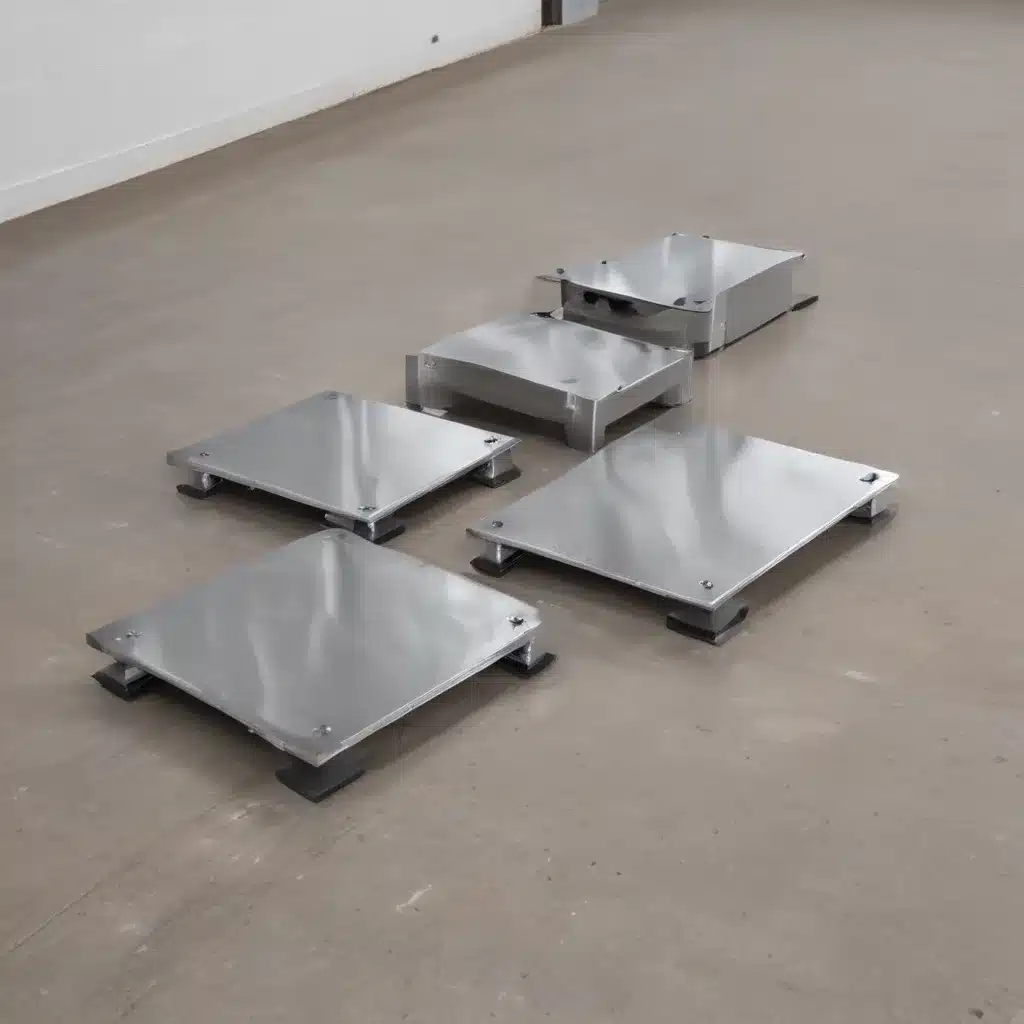
When it comes to designing and installing reliable raised access flooring systems, the choice between steel and aluminium pedestals is a critical decision that can significantly impact the performance, cost-effectiveness, and longevity of the entire setup. As an experienced raised flooring consultant with expertise across the UK commercial and office sectors, I’m here to provide a detailed comparison of these two prominent pedestal materials to help you make an informed choice.
Steel Pedestals
Steel pedestals have long been a staple in the raised flooring industry, valued for their exceptional strength, durability, and versatility. Constructed with high-grade steel, these pedestals are engineered to withstand heavy loads and provide a stable foundation for the access floor system.
One of the key advantages of steel pedestals is their outstanding load-bearing capacity. They are capable of supporting concentrated loads of up to 12 kN (approximately 1.2 tons) per pedestal, making them suitable for even the most demanding commercial environments, such as data centers and industrial facilities. This robust construction ensures the floor’s stability and prevents sagging or deformation over time.
In addition to their impressive weight-carrying capabilities, steel pedestals also excel in terms of lateral stability. The steel framework creates a rigid grid structure that effectively distributes loads and resists lateral movement, ensuring the entire access floor system remains firmly in place. This is particularly crucial in areas prone to seismic activity or heavy foot traffic.
Another notable advantage of steel pedestals is their adjustability. Most steel pedestal systems incorporate a threaded rod or jackscrew mechanism that allows for precise height adjustments, typically ranging from 65 mm up to 1,025 mm. This flexibility enables the floor to be leveled and adapted to accommodate uneven subfloors or specific design requirements, ensuring a consistent and optimized end-user experience.
When it comes to fire safety, steel pedestals have an inherent advantage. Steel is a non-combustible material that does not contribute to the spread of flames, making it a preferred choice in applications where compliance with rigorous fire safety regulations is paramount, such as in office buildings and commercial spaces.
Aluminium Pedestals
In recent years, aluminium pedestals have emerged as a compelling alternative to their steel counterparts, particularly in environments where weight reduction and corrosion resistance are key priorities.
Aluminium pedestals boast a significant weight advantage over steel, typically weighing up to 50% less. This reduced weight can be a game-changer in applications where the floor’s overall weight needs to be minimized, such as in high-rise structures or buildings with limited load-bearing capacities. The lighter weight also simplifies the installation process and reduces the strain on the subfloor.
Aluminium’s inherent corrosion-resistant properties make it an excellent choice for environments with increased exposure to moisture, chemicals, or harsh environmental conditions. This durability ensures the pedestals maintain their structural integrity and aesthetic appeal over the long term, minimizing the need for costly repairs or replacements.
Similar to steel pedestals, aluminium variants also offer adjustability, with height ranges typically spanning from 123 mm to 173 mm. This flexibility allows for precise leveling and adaptation to uneven subfloors, ensuring a consistently smooth and level access floor surface.
While aluminium pedestals may not match the maximum load-bearing capacity of their steel counterparts, they still excel in meeting the requirements of most commercial and office applications. Depending on the specific aluminium alloy and design, these pedestals can support concentrated loads of up to 2,495 N (approximately 254 kg), making them suitable for a wide range of use cases.
Comparative Analysis
When it comes to choosing between steel and aluminium pedestals for your raised access flooring system, there are several key factors to consider:
Load Capacity:
– Steel pedestals offer significantly higher static and dynamic load ratings, making them the preferred choice for environments with heavy equipment, high foot traffic, or the need to accommodate exceptional loads.
– Aluminium pedestals, while still capable of meeting the requirements of most commercial and office applications, may not be suitable for the most demanding load-bearing scenarios.
Corrosion Resistance:
– Aluminium pedestals excel in their ability to withstand corrosion, making them a superior choice for environments with increased exposure to moisture, chemicals, or other corrosive elements.
– Steel pedestals, while durable, may require additional surface treatments or coatings to enhance their resistance to corrosion, depending on the specific environmental conditions.
Weight and Installation:
– Aluminium pedestals, being significantly lighter than their steel counterparts, can simplify the installation process and reduce the strain on the subfloor, particularly in high-rise or weight-sensitive applications.
– Steel pedestals, while heavier, may provide a more robust and stable foundation, especially in areas prone to heavy foot traffic or seismic activity.
Adjustability and Accessibility:
– Both steel and aluminium pedestals offer adjustability features, allowing for precise height customization and leveling to accommodate uneven subfloors.
– The specific adjustment ranges and mechanisms may vary between the two materials, so it’s essential to carefully evaluate the specific requirements of your project.
Fire Safety:
– Steel pedestals, being non-combustible, are the preferred choice in applications where strict fire safety regulations must be met, such as in office buildings and commercial spaces.
– Aluminium pedestals, while generally not as fire-resistant as steel, may still be suitable in some applications, depending on the specific fire safety requirements.
Cost Considerations:
– The initial cost of steel and aluminium pedestals can vary, with steel typically being the more economical option.
– However, when considering the long-term maintenance and potential replacement costs, the higher corrosion resistance and reduced weight of aluminium pedestals may result in more cost-effective ownership over the lifetime of the access floor system.
Ultimately, the choice between steel and aluminium pedestals for your raised access flooring system will depend on the specific requirements of your project, including the anticipated loads, environmental conditions, design preferences, and budget constraints. By carefully weighing these factors, you can ensure that the selected pedestal material optimizes the performance, functionality, and longevity of your raised access flooring solution.
Conclusion
Raised access flooring systems play a crucial role in modern commercial and office environments, providing a flexible and adaptable platform for housing essential infrastructure and services. The choice between steel and aluminium pedestals is a critical decision that can significantly impact the overall performance, cost-effectiveness, and longevity of the system.
As an experienced raised flooring consultant, I’ve outlined the key considerations and comparative analysis to help you make an informed decision. Whether your priority is exceptional load-bearing capacity, corrosion resistance, weight reduction, or compliance with regulatory requirements, there is a pedestal material that can meet your specific needs.
By carefully evaluating the unique characteristics and advantages of steel and aluminium pedestals, you can ensure that your raised access flooring system not only delivers a reliable and functional solution but also aligns with the long-term goals and objectives of your project. For further guidance or assistance, I encourage you to visit Raised Flooring UK or reach out to our team of experts.

