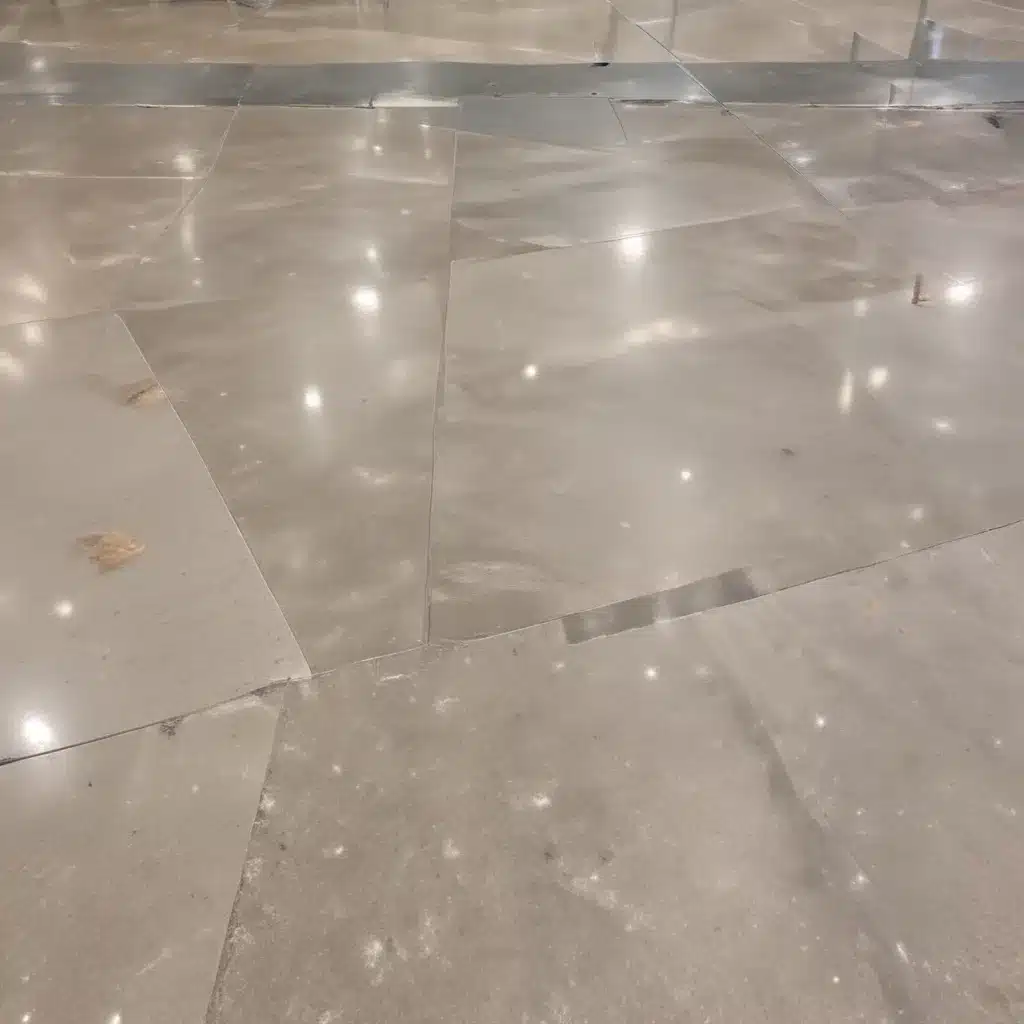
Raised access flooring systems have become an integral part of modern commercial and office environments, offering versatile solutions for cable management, cooling efficiency, and flexible workspace planning. While these benefits are well-documented in the corporate world, the application of raised floors within educational facilities is often overlooked. However, educational institutions can also leverage the cost-effective advantages of raised flooring to enhance their learning environments.
Addressing the Unique Needs of Educational Facilities
Educational facilities, whether they be university campuses, school buildings, or training centers, have distinct operational requirements that differentiate them from traditional office spaces. Factors such as heavy foot traffic, frequent reconfiguration, and tight budgets must be carefully considered when selecting the right raised flooring system.
Load Capacity: Classrooms, libraries, and computer labs often house a significant number of students and equipment, necessitating a raised floor system with a high load-bearing capacity. Strategically selecting panels and pedestals that can withstand these loads is crucial for maintaining structural integrity and safety.
Adaptable Design: The ability to quickly and easily reconfigure learning spaces is a key requirement for educational facilities. Modular raised floor systems allow for seamless changes in room layouts, enabling efficient space utilization and accommodating evolving pedagogical needs.
Utility Access: Educational buildings are brimming with technology-driven equipment, from desktop computers to interactive whiteboards. Raised floors provide a hidden, accessible pathway for power, data, and communication cables, simplifying maintenance and upgrades.
Acoustical Performance: Proper acoustic control is essential for effective learning environments. Raised flooring systems with enhanced sound absorption and impact isolation properties can help mitigate noise issues, creating a more focused and productive atmosphere.
Optimizing for Cost-Effectiveness
While the benefits of raised flooring are well-established, the initial capital expenditure can often deter educational institutions from adopting these systems. However, a holistic analysis of the total cost of ownership can reveal the long-term cost-effective advantages of raised access floors.
Installation Efficiency: Modular raised floor systems are typically faster and easier to install compared to traditional slab-on-grade flooring. This can result in significant cost savings on labor and project timelines, especially for larger educational campuses.
Lifecycle Considerations: Raised flooring systems are designed for longevity, with many models boasting a service life of 50 years or more. This extended lifespan, coupled with the ability to easily maintain and upgrade the system, can offset the initial investment over time.
Energy Savings: Integrated HVAC systems within the raised floor void can optimize airflow and temperature control, leading to reduced energy consumption and lower utility bills. This environmental benefit also aligns with the sustainability initiatives commonly found in educational institutions.
Adaptable Capacity: As student populations and technology needs evolve, the modular nature of raised floors allows for seamless expansion and reconfiguration without the need for disruptive renovations. This scalability can prevent costly infrastructure overhauls in the future.
Regulatory Compliance and Design Considerations
When implementing raised flooring systems in educational facilities, it is essential to ensure compliance with relevant building codes, safety standards, and institutional policies.
Fire Safety: Raised access floors must meet stringent fire rating requirements, as specified by regulations such as BSEN 12825. Selecting the appropriate materials and installation methods is crucial for maintaining fire safety in educational buildings.
Accessibility: Accessibility is a key concern for educational facilities, which must comply with regulations such as the Equality Act 2010 in the UK. Raised flooring systems can be designed to accommodate the needs of students, faculty, and staff with mobility challenges, ensuring inclusive learning environments.
Sustainability Initiatives: Many educational institutions have adopted ambitious sustainability goals, such as reducing carbon footprints and minimizing environmental impact. Raised flooring systems that utilize recycled materials and minimize waste can contribute to these institutional objectives.
When integrating raised floors into educational facilities, it is essential to work closely with experienced raised flooring consultants. These experts can provide guidance on the optimal design, installation, and long-term maintenance strategies to ensure cost-effective, compliant, and high-performing learning environments.
Successful Case Studies
Educational institutions across the UK have successfully implemented raised access flooring systems to address their unique operational and budgetary requirements. Let’s explore a few examples:
University of Exeter: The University of Exeter, a leading research institution, recently undertook a campus-wide renovation project that incorporated raised access flooring throughout its new academic buildings. The modular design allowed for seamless integration of power, data, and HVAC systems, while the high load-bearing capacity accommodated the influx of technology-driven equipment. Additionally, the raised floor’s acoustic properties contributed to a more focused learning environment for students.
Abertay University, Dundee: Abertay University, known for its innovative computing and engineering programs, chose to install a raised flooring system in its state-of-the-art computer labs. The flexible layout and easy access to utilities enabled the university to efficiently respond to evolving curricular needs and rapidly changing technological advancements, ensuring its facilities remained at the forefront of digital education.
Northumbria University, Newcastle: Northumbria University, a prominent institution in the North East, selected a sustainable raised flooring solution for its new student accommodation buildings. The system’s use of recycled materials and energy-efficient design aligned with the university’s commitment to environmental stewardship, while also providing a comfortable and adaptable living and learning environment for its students.
These case studies demonstrate how educational facilities in the UK have leveraged the cost-effective advantages of raised access flooring to create flexible, sustainable, and future-proof learning spaces. By working with experienced consultants, institutions can tailor these systems to their unique operational requirements and budgetary constraints, ultimately enhancing the overall educational experience.Example: London Cloud Provider Expansion

