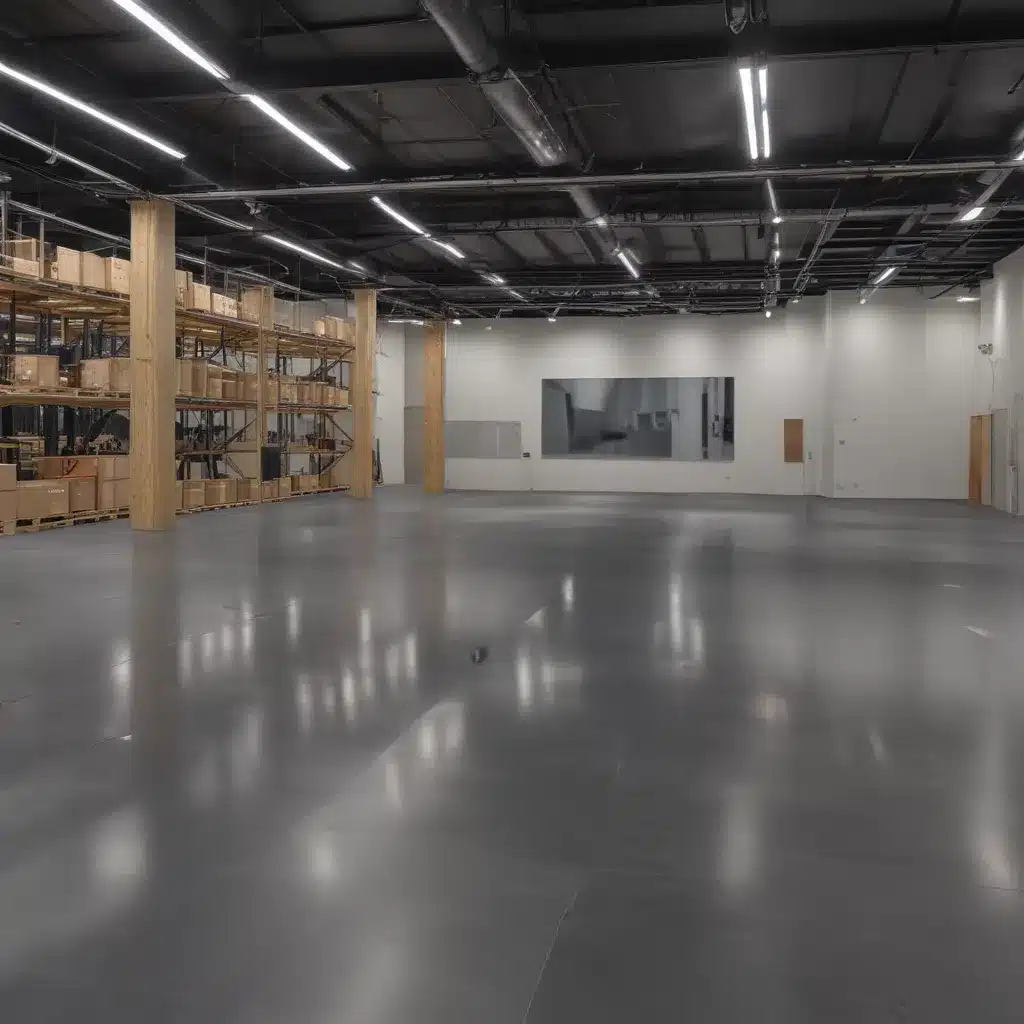
Enhancing Acoustic Performance with Floating Raised Flooring Systems in Noisy Industrial Environments
Noise pollution poses a significant challenge in many industrial and commercial settings, impacting worker productivity, wellbeing, and safety. Fortunately, advancements in raised access flooring systems offer an effective solution to address this critical issue. By incorporating cutting-edge acoustic insulation and vibration dampening technologies, these innovative flooring solutions can dramatically enhance the soundscape of even the noisiest industrial environments.
Structural Considerations
The foundation of an effective raised flooring system lies in its structural integrity. Load-bearing capacity is a crucial factor, as industrial spaces often demand the ability to support heavy machinery, storage units, and other substantial loads. Choosing the right pedestal adjustment mechanisms and ensuring the overall structural soundness of the system is paramount to maintaining stability and longevity.
Load Capacity
When selecting a raised flooring system for industrial use, the load-bearing capacity is a primary consideration. These environments can be subject to extreme weight loads, from bulky equipment to dense storage units. Raised floor panels must be engineered to withstand these demands without compromising their acoustic performance.
High-quality steel-encapsulated panels are an excellent choice, offering robust construction and the ability to support loads of up to 1,500 kg/m² or more. By distributing the weight evenly across the entire surface, these panels ensure a stable and secure foundation, even in the most demanding industrial settings.
Pedestal Adjustment
Precision is key when it comes to raised flooring pedestals. In industrial spaces, the ability to fine-tune the height and levelness of the system is essential for maintaining structural integrity and accommodating uneven subfloors.
Adjustable pedestals with a wide range of height settings, typically between 50-1,000 mm, allow for seamless integration with the existing site conditions. This flexibility ensures a level platform, minimizing the risk of vibrations, uneven load distribution, and potential failures.
Structural Integrity
Beyond load-bearing capacity and pedestal adjustment, the overall structural integrity of the raised flooring system is paramount. Rigorous testing and compliance with industry standards, such as BSEN 12825, guarantee the system’s ability to withstand the rigors of an industrial environment.
Factors like panel deflection, concentrated load resistance, and the system’s ability to maintain stability over time are all crucial in ensuring the longevity and reliable performance of the raised flooring solution.
Acoustic Performance
The true power of raised access flooring systems in industrial settings lies in their ability to enhance acoustic comfort and control noise pollution. By incorporating specialized materials and design features, these solutions can dramatically reduce both impact noise and airborne sound transmission, creating a more pleasant and productive work environment.
Sound Absorption
Effective sound absorption is a hallmark of high-performing raised flooring systems. Innovative materials, such as viscoelastic damping compounds and porous acoustic insulation, are strategically integrated into the panel construction to trap and dissipate sound energy, reducing reverberation and echo.
These advanced acoustic treatments work in tandem with the raised floor’s inherent air gap, creating a decoupled surface that isolates structure-borne vibrations and minimizes the transmission of impact noise.
Vibration Dampening
Mitigating the transfer of vibrations is crucial in industrial settings, where heavy machinery and the constant movement of equipment can create significant structural disturbances. Raised flooring systems equipped with resilient damping pads and isolated pedestals effectively decouple the floor from the substructure, absorbing and dissipating these vibrations before they can propagate through the building.
This vibration control not only enhances the acoustic performance but also helps protect sensitive equipment and machinery from potential damage caused by excessive movement.
Noise Reduction
The combination of sound absorption and vibration dampening capabilities in raised flooring systems results in a remarkable noise reduction across the industrial space. Compared to traditional flooring solutions, these systems can achieve sound transmission class (STC) ratings of 50 or higher, effectively muffling both impact and airborne noise.
This level of acoustic performance can significantly improve worker comfort, productivity, and safety, as excessive noise levels are known to contribute to fatigue, communication difficulties, and even hearing damage over time.
Cable Management
The inherent underfloor cavity of raised flooring systems offers an invaluable opportunity to optimize the management of electrical, data, and other essential building services. This strategic approach to cable routing and accessibility can further enhance the acoustic performance of the overall system.
Cable Routing
By leveraging the raised floor’s underfloor space, cables and services can be neatly organized and routed, minimizing the potential for unwanted noise transmission. This separation of building services from the occupied space above helps prevent the propagation of airborne sound through the floor.
Furthermore, the ability to easily access and maintain these services through the raised floor panels reduces the need for disruptive interventions, maintaining the integrity of the acoustic insulation over time.
Underfloor Space
The generous underfloor cavity provided by raised flooring systems, typically ranging from 50-1,000 mm in height, offers ample space for the integration of acoustic insulation and vibration control measures. This allows for the strategic placement of specialized materials to optimize the system’s noise-reducing capabilities.
Accessibility
The modular nature of raised flooring systems ensures easy access to the underfloor space, enabling seamless installation, maintenance, and upgrades of building services. This accessibility is essential for maintaining the acoustic performance of the system, as any disruptions or modifications can potentially compromise the effectiveness of the integrated sound-dampening features.
Regulatory Compliance
When implementing raised flooring solutions in industrial environments, adherence to relevant standards and regulations is crucial to ensure the safety, accessibility, and environmental sustainability of the system.
Fire Safety
Raised flooring systems must comply with stringent fire safety regulations, such as those outlined in the UK’s Building Regulations. This often involves the use of non-combustible materials and the incorporation of passive fire protection measures to safeguard occupants and assets in the event of an emergency.
Accessibility Standards
In addition to fire safety, accessibility standards, such as those outlined in Approved Document M, must be taken into consideration when designing and installing raised flooring systems. This ensures that the system is inclusive and accommodates the needs of all users, including those with mobility challenges.
Environmental Impact
As sustainability becomes an increasingly important concern in the construction industry, raised flooring systems must also address their environmental impact. The use of recyclable materials, modular design, and energy-efficient features can contribute to the overall sustainability of the building and reduce the system’s carbon footprint.
Conclusion
Raised access flooring systems have emerged as a game-changing solution for enhancing acoustic performance in noisy industrial environments. By seamlessly integrating structural integrity, advanced acoustic treatments, and innovative cable management capabilities, these systems create a more comfortable, productive, and sustainable workspace.
Whether you’re a facilities manager, project manager, or industrial client, considering the implementation of a raised flooring solution can be a transformative step in addressing the challenges of noise pollution and vibration control. By partnering with Raised Flooring UK, you can leverage the expertise and cutting-edge technologies necessary to create a truly exceptional industrial environment.

