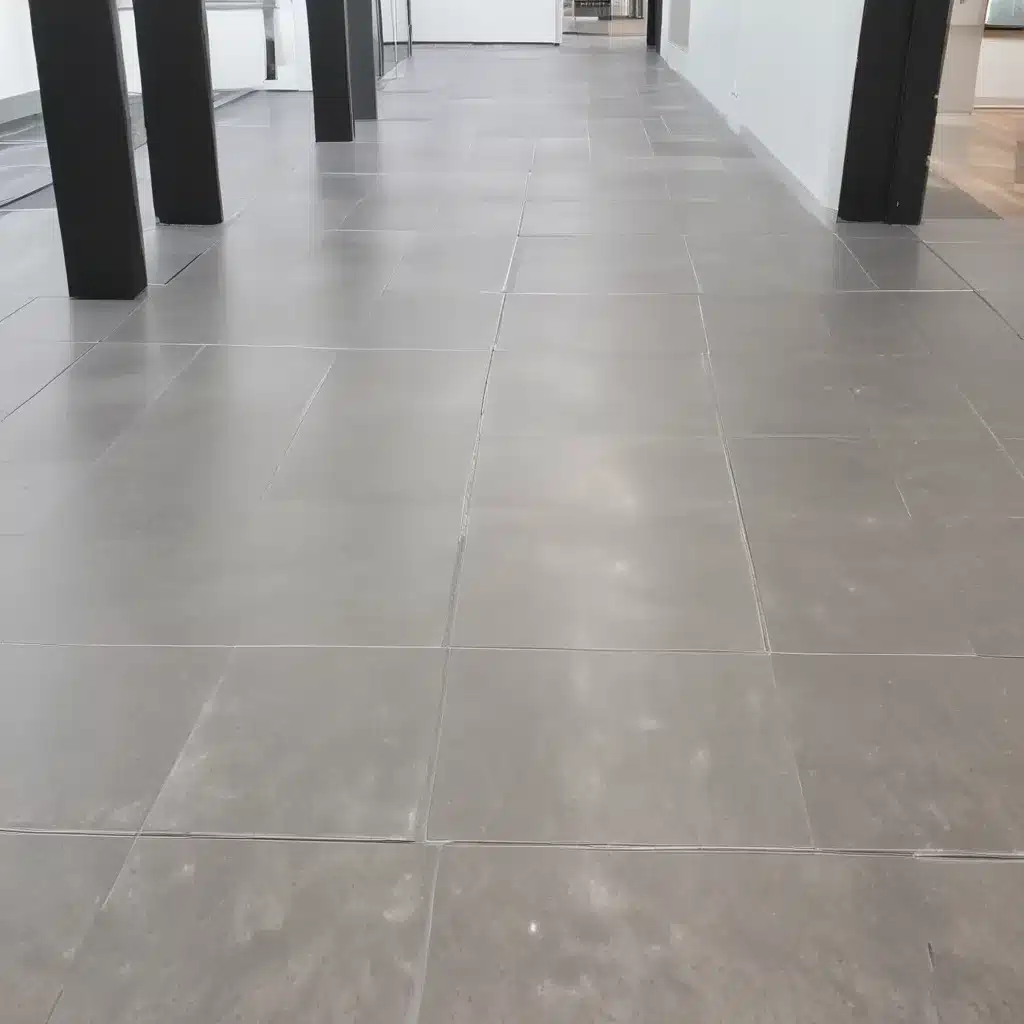
In today’s data-driven world, efficient cooling is paramount for the smooth operation of mission-critical IT infrastructure. As organizations increasingly rely on powerful computing resources to drive innovation and growth, the challenge of managing heat generated by servers and networking equipment has become a top priority. Raised access flooring systems have emerged as a strategic solution, offering a versatile and adaptable platform that optimises airflow management and enhances cooling efficiency in data centres, server rooms, and other high-density IT environments.
Raised Access Flooring Concepts
At the heart of an effective raised flooring system lies a carefully engineered structural design that provides a robust and flexible foundation. Load-bearing capacity is a crucial consideration, as the system must be capable of supporting the weight of heavy IT equipment, cabling, and cooling infrastructure. Adjustable pedestals allow the height of the raised floor to be tailored to specific requirements, accommodating diverse equipment configurations and airflow needs.
Thermal Management
The plenum space created by the raised floor serves as a dedicated pathway for the strategic distribution of conditioned air. By directing cool air through perforated floor tiles and airflow panels, the system ensures that servers and other heat-generating components receive the necessary cooling. This controlled airflow management helps maintain consistent operating temperatures, preventing hotspots and minimizing the risk of equipment overheating.
Raised access flooring also enables the implementation of hot and cold aisle containment strategies, physically segregating the hot exhaust air from the cold intake air. This separation optimises cooling efficiency by reducing the mixing of warm and cool airstreams, allowing the HVAC system to operate more effectively and minimise energy consumption.
Cable Management
In addition to its thermal management capabilities, raised access flooring simplifies the organisation and routing of power and data cables. The plenum space beneath the floor serves as a dedicated pathway for these essential services, keeping the workspace clean and uncluttered. This ease of access also facilitates maintenance tasks and enables swift reconfiguration or expansion as the IT environment evolves.
Regulatory Compliance
Raised access flooring systems in the UK must adhere to strict safety and sustainability standards, such as BSEN 12825, which covers the testing and performance requirements for raised floors. Compliance with these regulations ensures that the installed system meets or exceeds load-bearing capacities, fire safety protocols, and environmental impact considerations, providing a robust and responsible foundation for critical IT infrastructure.
Benefits of Raised Access Flooring
The advantages of incorporating raised access flooring solutions extend well beyond their thermal management capabilities. Flexibility and adaptability are hallmarks of these systems, allowing for swift reconfiguration and expansion to accommodate changing IT needs. As organisations scale their operations or implement new technologies, the modular nature of raised floors enables them to quickly adapt their infrastructure without major disruptions.
Additionally, raised access flooring contributes to improved energy efficiency by optimising cooling systems and reducing the overall energy required for climate control. By maintaining consistent operating temperatures and preventing air circulation issues, these solutions help data centres and server rooms operate more sustainably, aligning with global environmental initiatives.
Deployment Considerations
Implementing a raised access flooring system requires careful planning and preparation. Site preparation, including the assessment of the existing subfloor and any necessary structural modifications, is a crucial first step. The installation process itself involves the coordinated placement of pedestals, stringers, and floor panels, ensuring a level and secure foundation for the IT equipment.
Ongoing maintenance of the raised floor system is essential to maintain its optimal performance. This includes regular inspections, cleaning of the plenum space, and prompt addressing of any issues that may arise, such as uneven panels or damaged components. By proactively maintaining the raised floor, organisations can extend the lifespan of their investment and ensure the continued efficiency of their IT infrastructure.
Integrating Raised Access Flooring
Seamless integration between raised access flooring and the IT equipment it supports is paramount for achieving optimal performance. Ensuring compatibility between the floor system and the specific hardware, power requirements, and cooling needs of the IT infrastructure is a crucial consideration during the design phase.
The synergy between raised floors and cooling systems is particularly important, as the two elements work in tandem to manage airflow and maintain ideal operating temperatures. By aligning the raised floor design with the HVAC system’s capabilities, organisations can maximise cooling efficiency and minimise energy consumption.
The modular nature of raised access flooring also enables scalable infrastructure that can accommodate gradual expansions or sudden growth in IT demands. As organisations add new servers, networking equipment, or cooling units, the raised floor system can be easily reconfigured to seamlessly integrate the new components.
Trends and Innovations
As the demand for efficient and sustainable data centres continues to rise, the raised access flooring industry is witnessing the emergence of innovative solutions and technologies. Intelligent monitoring systems, for instance, can provide real-time data on temperature, humidity, and airflow, allowing facility managers to make informed decisions and optimise the performance of the cooling infrastructure.
Advancements in sustainable material choices, such as the use of recycled or renewable resources in the manufacturing of floor panels, are also driving the industry towards more environmentally responsible practices. Additionally, the integration of automation and optimisation tools can further enhance the efficiency of raised access flooring systems, reducing manual intervention and ensuring the continual fine-tuning of airflow management.
By embracing these trends and innovations, organisations can future-proof their IT infrastructure, maximise the benefits of raised access flooring, and contribute to a more sustainable digital landscape. Raised-Flooring.co.uk offers a wealth of expertise and tailored solutions to help organisations navigate the evolving landscape of raised access flooring and unlock the full potential of their critical IT environments.

