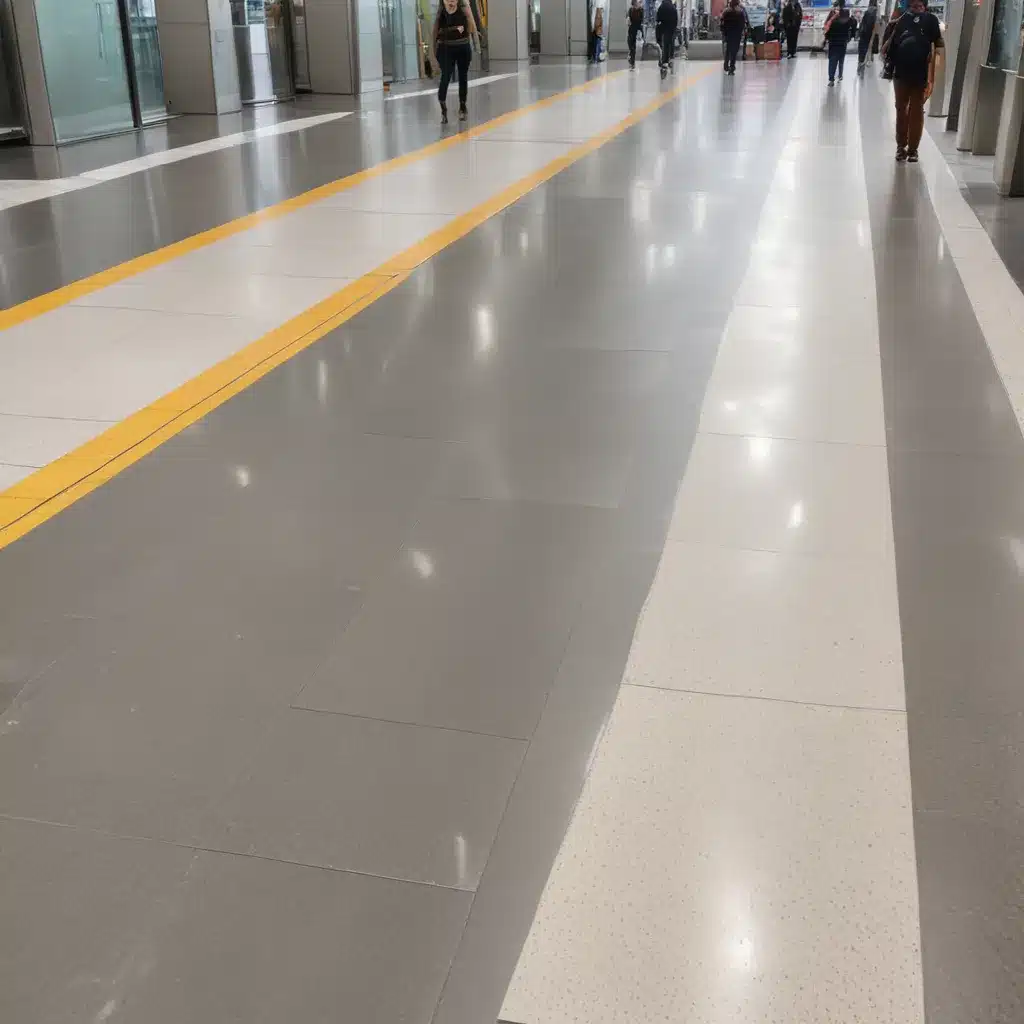
Essential Guide to Maintaining Raised Access Floors in Transport Hubs
Raised access flooring systems are an essential component of modern transportation facilities, providing critical infrastructure for electrical and data cabling, HVAC distribution, and equipment access in hubs like airports, train stations, and bus terminals. However, maintaining these dynamic raised floor environments requires a strategic and proactive approach to ensure optimal performance, accessibility, and longevity.
As an experienced raised flooring consultant with Raised Flooring UK, I’ve worked extensively with clients across the transport sector to design, install, and maintain high-functioning raised access floor solutions. In this comprehensive guide, I’ll share essential insights and best practices for keeping your transport hub’s raised flooring well-maintained, compliant, and cost-effective over the long term.
Structural Integrity
The structural integrity of a raised access floor is paramount, as these systems must safely support a variety of heavy loads, including foot traffic, mobile equipment, and even vehicular access in certain areas. When specifying or assessing a raised floor for a transport hub, key considerations around structural performance include:
Load Capacity
Transport hubs often require raised floors that can withstand concentrated loads from baggage carts, forklifts, and other heavy equipment. The load-bearing capacity of the access floor panels and supporting pedestals should be carefully evaluated to ensure they meet or exceed the anticipated loads for each zone within the facility. For high-traffic areas, we recommend selecting steel-encapsulated raised floor panels rated for ultra-high concentrated loads of 1,000 lbs or more.
Pedestal Adjustment
The ability to precisely level and adjust the height of the access floor pedestals is crucial for maintaining even surface flatness, especially in large, uneven spaces like airport terminals. Look for raised floor systems that offer a wide range of pedestal adjustment, typically between 2-1/2″ to 12″, to accommodate sloped subfloors or other challenging site conditions.
Stability and Durability
Transport hubs experience heavy foot traffic, rolling loads, and vibrations that can compromise the stability and long-term durability of a raised floor. Specifying high-strength, reinforced access floor panels and corrosion-resistant pedestal systems will help ensure your raised flooring maintains its structural integrity for decades.
Flooring Systems
Beyond the structural foundation, the choice of raised floor panels and finishing materials plays a significant role in the overall performance, accessibility, and aesthetics of your transport hub.
Panel Designs
Depending on the specific functional and aesthetic requirements of your project, you may select from a variety of panel types, including stringerless, calcium sulphate, steel-encapsulated, or wood-cored designs. Each panel type offers unique benefits in areas like strength, vibration dampening, and fire resistance.
Finishing Materials
The raised floor panels can be finished with a wide range of surface materials, from carpeting and vinyl to high-pressure laminates and antistatic or conductive options for sensitive electronic environments. The finishing material should be chosen to complement the desired aesthetic while also providing the necessary performance characteristics, such as slip resistance, fire rating, and static control.
Accessibility Features
For transport hubs serving the general public, ensuring full accessibility and inclusivity is a critical design consideration. Raised floor systems can be specified with a variety of accessibility enhancements, such as color-contrasting edges, beveled transitions, and recessed panel openings to accommodate wheelchair users and other mobility needs.
Cable Management
One of the primary functions of a raised access floor is to conceal and organize the complex network of electrical, data, and communication cabling required to power and connect a transport hub’s many systems and technologies.
Underfloor Pathways
The open space between the subfloor and the raised access floor provides a versatile cable management zone, allowing cables to be routed horizontally throughout the facility. Strategically placed cable cutouts and grommets in the raised floor panels provide convenient access points to connect equipment and devices.
Horizontal Cabling
Cables can be run in an organized fashion through the underfloor raceway using cable trays, raceways, or simply laid loose. This approach helps maintain an uncluttered appearance while also facilitating easy access for moves, adds, and changes.
Vertical Cabling
Vertical cable pathways, such as floor-to-ceiling power poles and data risers, provide seamless transitions from the underfloor zone to the above-floor building services and equipment. These vertical cable management solutions help to keep critical connections organized and readily accessible.
Regulatory Compliance
Raised access flooring systems installed in transport hubs must comply with a variety of safety, accessibility, and building code requirements. As a consultant, I ensure my clients’ raised floors meet or exceed the following essential standards:
Safety Standards
Raised flooring systems in the UK must comply with the BSEN 12825 standard for performance and safety, which covers areas like concentrated and distributed load capacity, impact resistance, and reaction to fire.
Disability Access Codes
Transport hubs are subject to stringent accessibility requirements, as outlined in the Equality Act 2010 and associated design guidance. Raised floors must integrate seamlessly with accessible routes, provide proper transitions, and accommodate the needs of wheelchair users and others with mobility challenges.
Fire Regulations
In addition to fire-resistant panel and pedestal materials, raised access floors in transport facilities must also comply with BS 476 fire safety standards to ensure they do not contribute to the spread of fire or the production of toxic fumes.
Maintenance Strategies
Keeping a transport hub’s raised access flooring functioning at its best requires a proactive, multi-faceted maintenance approach. Key elements of an effective maintenance program include:
Inspection and Monitoring
Routine inspections and condition assessments are essential for identifying and addressing potential issues before they escalate. Facilities teams should regularly check for signs of wear, damage, or instability, and document the overall state of the raised flooring system.
Cleaning and Repair
Maintaining a clean, well-kept raised floor is crucial for preserving its appearance and performance. Surface cleaning, involving gentle vacuuming and damp mopping, should be conducted frequently. When individual panels become damaged, they can be easily swapped out for replacement without disrupting the entire floor.
Lifecycle Planning
Proactive lifecycle planning is key to maximizing the long-term value of a transport hub’s raised access flooring investment. Scheduled refurbishments and strategic panel upgrades can extend the system’s useful life, improve energy efficiency, and incorporate the latest accessibility features as needs evolve.
Environmental Impact
As sustainability concerns continue to grow, transport facility managers are also focusing on the environmental impact of their built environments, including raised access flooring systems.
Energy Efficiency
Raised floors can contribute to energy savings by enabling underfloor air distribution (UFAD) systems, which are more efficient than traditional overhead air conditioning. The open plenum space also provides enhanced thermal insulation properties compared to conventional flooring.
Sustainable Materials
Many leading raised floor manufacturers now offer recycled content in their panel cores and pedestal components, as well as fully recyclable products at the end of the system’s useful life. Specifying these sustainable materials can help transport hubs minimize their environmental footprint.
Maintaining high-performance raised access floors in transport hubs requires a holistic approach that addresses structural stability, functionality, accessibility, and environmental impact. By partnering with an experienced raised flooring consultant like Raised Flooring UK, transport facility managers can unlock the full value of these essential building systems while ensuring compliance, longevity, and a seamless experience for all users. For more information or to discuss your project needs, please visit raised-flooring.co.uk.

