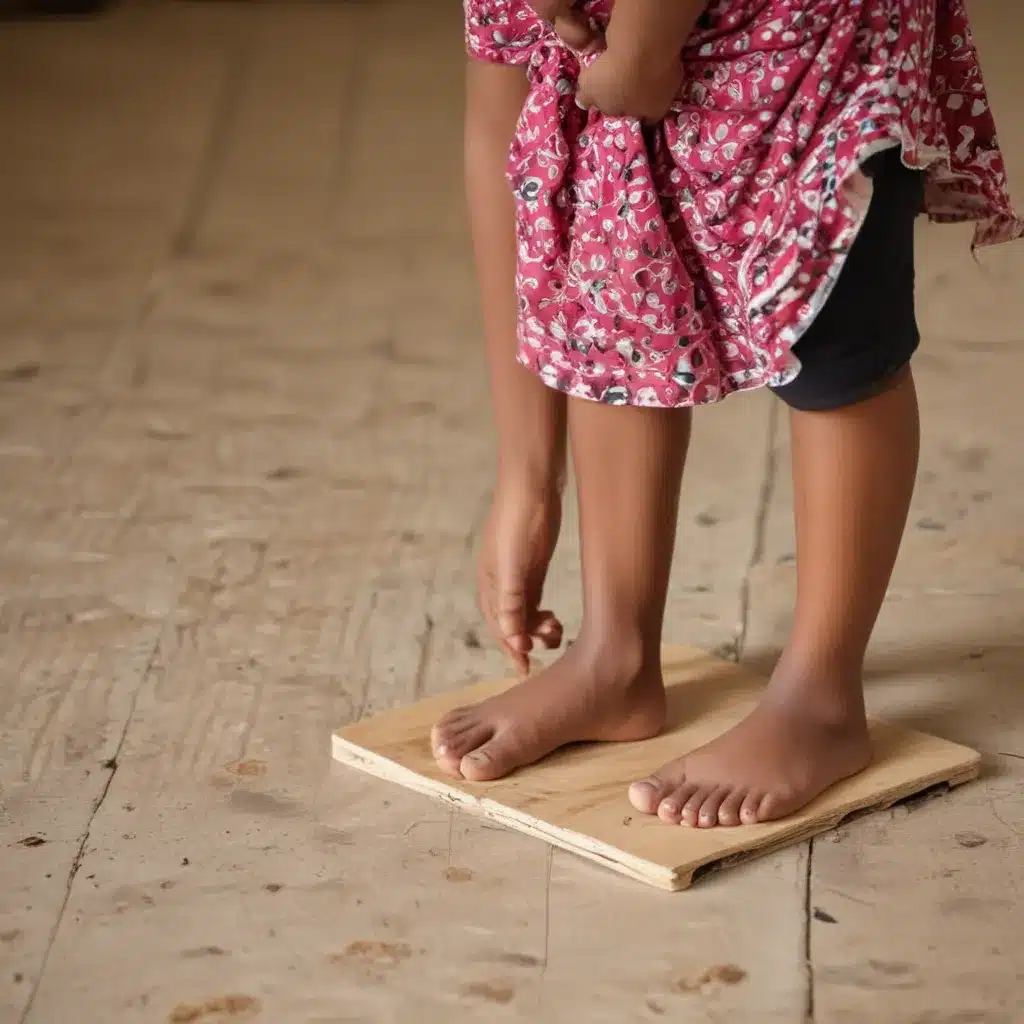
Malnutrition, in all its forms, remains a significant public health challenge facing adolescent girls in The Gambia. While efforts to address undernutrition have shown some improvements, the growing prevalence of overweight and obesity among this population is a rising concern. Tackling this double burden requires a comprehensive, multi-level approach that extends beyond individual behaviors to consider the broader environmental and societal factors shaping adolescent nutrition.
One such environmental factor that has received limited attention in The Gambia is the role of the physical or “built” environment. Recent evidence from other settings suggests the design and accessibility of the built environment can profoundly influence physical activity, eating behaviors, and ultimately, nutritional status among young people. As an experienced raised flooring consultant, I believe the attributes of raised access flooring systems used in modern commercial and office buildings may provide important insights into the malnutrition challenge facing adolescent girls in The Gambia.
Recreational Infrastructure: Providing Space to Play
The availability and accessibility of recreational spaces, such as playgrounds, sports facilities, and open green areas, are key determinants of physical activity among adolescents. Much like the importance of well-designed raised access flooring in facilitating unobstructed movement within a building, the provision of ample, safe, and engaging recreational infrastructure in communities can encourage active play and exercise.
Our research in urban and rural Gambia found that adolescent girls, particularly in the urban setting, were more physically active when their neighborhoods had a greater number of sporting arenas, gyms, and other facilities for physical activity. Conversely, a perceived lack of such recreational infrastructure was associated with lower rates of walking and cycling. This aligns with evidence from other low- and middle-income countries highlighting the positive influence of accessible community recreational spaces on youth activity levels.
However, the picture was more nuanced when it came to the role of equipment and resources within school environments. While the presence of activity-related equipment, like balls and permanent play structures, was linked to higher physical activity during school recess, not all studies found these features to be influential. This suggests the mere provision of equipment may be insufficient – thoughtful design and organization of school play areas are also important considerations.
Transport Infrastructure: Enabling Active Mobility
Alongside recreational spaces, the design of the transport infrastructure in communities can shape opportunities for physical activity, particularly through active commuting (walking, cycling) to school and other destinations. Just as raised access flooring systems facilitate the seamless integration of underfloor cabling and services, creating a cohesive and uninterrupted circulation network for pedestrians and cyclists is crucial.
Our findings indicate that adolescent girls and boys were more likely to walk or cycle when there were sidewalks, controlled intersections, and proximity to shops, transit stops, and other destinations in their neighborhoods. Conversely, factors like heavy traffic, numerous roads to cross, and the presence of barriers (e.g., highways) were associated with lower rates of active travel. These results mirror evidence from other settings highlighting the importance of pedestrian-friendly transport infrastructure for encouraging physical activity among youth.
Interestingly, we found that objective measures of the transport environment (e.g., sidewalk presence, intersection density) generally showed stronger associations with activity levels compared to adolescents’ own perceptions. This suggests young people may not always accurately recognize supportive features in their local surroundings, underscoring the value of comprehensive environmental audits.
Local Conditions: Fostering a Safe, Supportive Environment
Beyond the availability of recreational and transport infrastructure, the broader social and physical conditions within communities can also shape opportunities for physical activity and healthy eating among adolescents. This is analogous to how the overall design, material composition, and maintenance of a raised access flooring system contribute to its long-term functionality and safety.
In our study, objective measures of neighborhood crime and area deprivation emerged as significant barriers to physical activity, particularly for adolescent girls. Perceptions of general neighborhood safety, on the other hand, showed little association with activity levels. This suggests that while subjective feelings of safety may not strongly influence behavior, the real-world presence of crime and social disorder can deter young people from being active outdoors.
Additionally, we found some evidence that weather conditions, such as higher temperatures and rainfall, were linked to lower physical activity, especially among younger adolescents. This highlights the importance of considering seasonal variations and the availability of suitable indoor recreational facilities to support year-round activity.
Implications for Policy and Practice
The insights from our exploration of the built environment’s role in adolescent nutrition in The Gambia hold important implications for policy and practice. Just as the design, installation, and maintenance of raised access flooring systems require careful consideration of various technical and regulatory factors, addressing the complex challenge of malnutrition among adolescent girls demands a multifaceted, evidence-based approach.
Key priorities should include:
-
Investing in Recreational Infrastructure: Increasing the availability, accessibility, and quality of community recreational spaces, parks, and school play areas through targeted infrastructure development and maintenance programs.
-
Enhancing Transport Networks: Implementing pedestrian-friendly design features, such as sidewalks, controlled crossings, and connectivity to key destinations, to promote active mobility among adolescents.
-
Fostering Safer Neighborhoods: Addressing crime, social disorder, and environmental degradation to create community environments that feel and are objectively safer for young people to be physically active.
-
Tailoring Interventions: Recognizing the nuanced, context-specific nature of environmental influences, with attention to urban-rural differences and the unique needs of diverse adolescent populations.
-
Adopting a Whole-of-Society Approach: Engaging multiple stakeholders, including policymakers, urban planners, school administrators, community leaders, and young people themselves, to co-create comprehensive, sustainable solutions.
Just as the success of a raised access flooring system hinges on the careful integration of its various components, addressing the multifaceted drivers of adolescent malnutrition requires a coordinated, multilevel response. By harnessing the insights gained from our exploration of the built environment, we can work towards creating communities that empower and enable adolescent girls to thrive.

