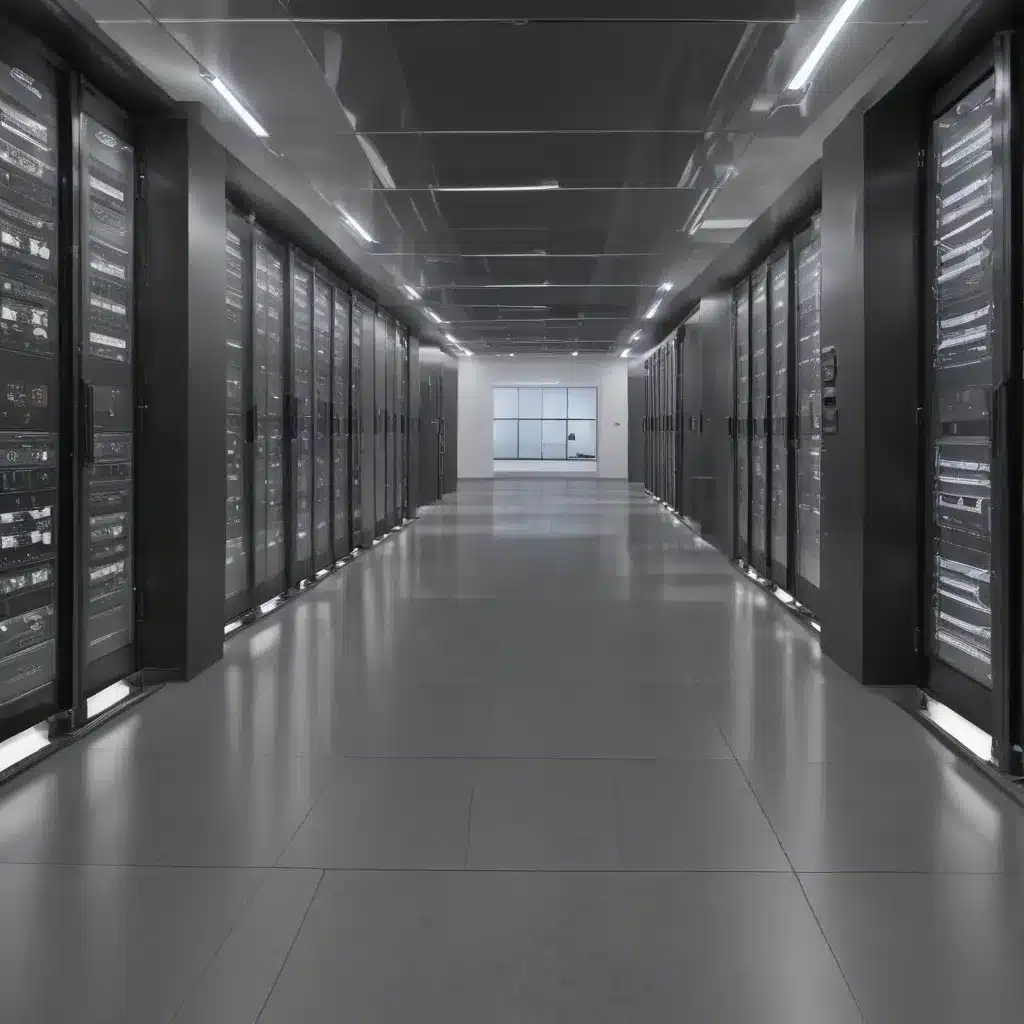
As an experienced raised flooring consultant for Raised Flooring UK, I’ve observed firsthand how the integration of smart building technologies can elevate the capabilities and efficiency of data centre operations. By strategically leveraging the underfloor cavity and advanced sensor integration, data centres can optimize power distribution, thermal management, and infrastructure monitoring to drive tangible business outcomes.
Structural Design and Load Capacity
At the core of any effective data centre raised flooring system is a robust structural design that can safely support the immense weight and concentrated loads of IT equipment. Load capacity is a critical consideration, with panels typically rated between 1,000 to 25,000 lbs per square foot.
The selection of pedestal height and construction is fundamental. Pedestals made of galvanized steel or aluminum are precision-engineered to provide exceptional stability and weight-bearing capabilities. Adjustable pedestals allow for precise levelling to accommodate uneven subfloors and maintain a consistent, flat surface.
The panel construction itself also plays a vital role. Steel encapsulated panels, for example, offer superior strength, durability, and even fire resistance compared to traditional wood-based alternatives. Perforated or grated panels can further integrate with HVAC systems to optimize airflow.
Underfloor Cavity Utilization
Beyond just providing a sturdy surface, the underfloor cavity in a raised access flooring system serves as a highly adaptable pathway for cabling, services, and airflow management. This hidden infrastructure is a key enabler for smart building technologies.
Cabling and Pathway Management is essential, with the underfloor area accommodating a complex matrix of power, data, and communication lines. Cable trays, raceways, and grommets keep these pathways organized and accessible. Modular panel designs allow for easy reconfiguration as needs evolve.
The underfloor cavity also plays a crucial role in Air Distribution and HVAC Integration. Perforated floor panels channel cool air directly into the data centre, while the heated exhaust air is drawn back through the plenum to be recirculated and cooled. This precise airflow control is essential for maintaining optimal operating temperatures.
Raised Floor Installation
Proper installation is paramount to ensure the long-term structural integrity and functionality of a raised access flooring system. Careful subfloor preparation is required, with the concrete base meticulously cleaned and levelled to provide a stable foundation.
Pedestal adjustment and levelling is a meticulous process, with each individual support precisely aligned and height-tuned to create a perfectly flat surface. The raised floor panel placement and sealing must also be executed with precision to eliminate any gaps or uneven transitions.
Regulatory Compliance and Standards
Data centres operate under stringent regulatory requirements, and the raised flooring system must comply with relevant standards to ensure safety and reliability. Key considerations include:
Fire Safety and Flammability: Panels and other components must meet strict fire resistance and low smoke/toxicity requirements as per BSEN 12825.
Electrostatic Discharge (ESD) Protection: The flooring system must incorporate conductive materials and grounding to safeguard sensitive electronic equipment.
Accessibility and Clearance: Adequate clearance heights and pathways must be maintained to facilitate maintenance and emergency egress.
Integration with Smart Building Technologies
The true power of raised access flooring systems in data centres lies in their ability to seamlessly integrate with a range of smart building technologies. This convergence enables real-time monitoring, automated control, and data-driven optimisation.
Sensor Integration
Strategically placed temperature and humidity sensors within the underfloor cavity provide granular environmental data, allowing for proactive thermal management and early detection of issues. Airflow sensors can monitor HVAC efficiency, while leak detection systems safeguard against water damage.
Power and Data Distribution
The raised floor’s hidden infrastructure supports a robust electrical and data distribution network. Electrical wiring and outlets can be easily accessed and reconfigured, while fiber optic and network cabling deliver high-speed connectivity throughout the facility.
Integrating wireless access points into the raised flooring system enables seamless coverage and eliminates the need for obtrusive overhead cabling.
Automation and Control Systems
By interfacing with a centralized Building Management System (BMS), the raised floor becomes a key component of the data centre’s smart automation ecosystem. Advanced monitoring and analytics platforms leverage the wealth of environmental data to optimize energy efficiency, predict maintenance needs, and ensure regulatory compliance.
The ability to remotely configure and diagnose the raised flooring system further enhances operational agility and responsiveness.
Sustainability and Lifecycle Management
As businesses increasingly prioritize environmental sustainability, data centre operators must consider the long-term impact of their raised flooring infrastructure. Careful design choices and proactive maintenance strategies can unlock significant energy and cost savings.
Energy Efficiency
Effective thermal management through targeted airflow, passive cooling strategies, and real-time environmental monitoring are crucial for minimizing the energy demands of data centre cooling systems. Optimized airflow management ensures that conditioned air is precisely directed where it’s needed most.
Flexibility and Reconfigurability
Modular panel designs and relocatable pedestals allow the raised flooring system to adapt to changing IT infrastructure and spatial requirements. Adaptable cable routing pathways further enhance the system’s long-term flexibility.
Maintenance and Refurbishment
Regular cleaning and dust control within the underfloor cavity is essential for maintaining optimal airflow and equipment performance. When necessary, individual panel replacement and repair can be carried out with minimal disruption.
Strategic lifecycle extension strategies, such as refurbishing or repurposing existing components, can significantly prolong the useful life of the raised flooring system.
By integrating smart building technologies with a well-designed and maintained raised access flooring system, data centre operators can unlock a wealth of benefits – from enhanced efficiency and flexibility to improved sustainability and streamlined operations. As the demands on data centres continue to evolve, this strategic approach will be crucial for staying ahead of the curve. For more information, visit raised-flooring.co.uk.Tip: Consider future cabling needs during initial installation

