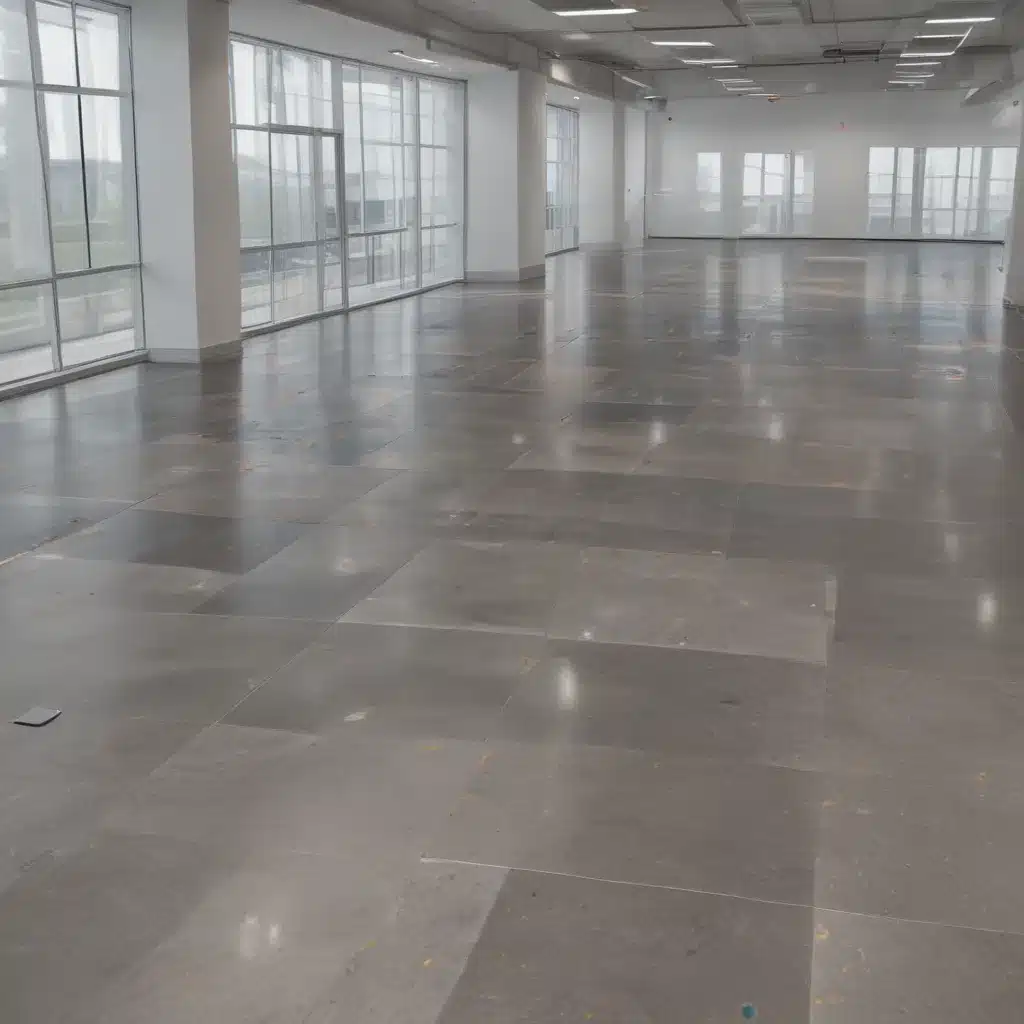
In today’s rapidly evolving commercial landscape, the demand for flexible, adaptable, and high-performance raised access flooring systems is greater than ever before. As an experienced raised flooring consultant, I understand the critical role data analytics can play in optimizing the design, installation, and long-term maintenance of these essential building components.
By integrating data-driven insights into our approach, we can unlock a wealth of opportunities to enhance the functionality, sustainability, and overall value proposition of raised access flooring systems across the UK. In this comprehensive article, we will explore how leveraging data analytics can elevate every aspect of the raised flooring lifecycle, from structural considerations to performance optimization.
Structural Considerations
The foundation of a successful raised access flooring system lies in its structural integrity. Factors such as load capacity, pedestal adjustment, and subfloor preparation are critical to ensuring the system can withstand the demands of modern commercial environments.
Load Capacity: Data analytics can play a pivotal role in accurately predicting and managing the load-bearing requirements of a raised floor system. By analyzing historical data on foot traffic patterns, equipment placement, and weight distribution, we can specify the appropriate panel thickness, pedestal density, and material composition to meet the unique needs of each project. This precision not only safeguards structural integrity but also optimizes resource allocation and enhances the overall cost-effectiveness of the installation.
Pedestal Adjustment: The ability to accurately adjust raised floor pedestals is essential for addressing uneven subfloors and maintaining a level surface. By integrating sensor technology into the pedestal design, we can leverage real-time data to monitor and automatically adjust the pedestals, ensuring a perfectly flat finish. This data-driven approach significantly reduces the time and labor required for manual adjustments, improving overall installation efficiency.
Subfloor Preparation: Preparing the subfloor is a crucial yet often overlooked aspect of raised flooring systems. Analyzing historical data on subfloor conditions, such as moisture levels, unevenness, and contaminants, can inform our subfloor preparation strategies. By proactively addressing these factors, we can minimize the risk of structural issues, floor failure, and costly remediation work down the line.
Thermal and Airflow Management
Effective thermal and airflow management is a hallmark of high-performance raised access flooring systems. Data analytics can play a pivotal role in optimizing these critical functions.
Ventilation Optimization: By monitoring airflow patterns, temperature gradients, and equipment heat signatures within the underfloor plenum, we can use data analytics to identify optimal ventilation strategies. This allows us to strategically position air supply and return grilles, ensuring efficient air circulation and maintaining comfortable working environments for occupants.
Underfloor Plenum Design: The design of the underfloor plenum directly impacts the overall thermal and airflow performance of a raised access flooring system. Analyzing historical data on heat generation, air velocity, and pressure differentials can inform the precise sizing, positioning, and configuration of the plenum, ultimately enhancing the system’s ability to effectively manage thermal loads and promote energy efficiency.
HVAC Integration: Integrating raised access flooring systems with the building’s HVAC infrastructure is essential for achieving holistic climate control. By leveraging data analytics, we can seamlessly coordinate the performance of the raised floor system with the broader HVAC network, enabling real-time adjustments and optimizing energy consumption.
Cable and Data Management
The ability to flexibly manage cables, data, and other building services is a key advantage of raised access flooring systems. Data analytics can play a pivotal role in enhancing the management of these critical building elements.
Cable Routing Strategies: By analyzing historical data on cable types, quantities, and usage patterns, we can develop optimized cable routing strategies that maximize the efficiency and capacity of the raised floor system. This data-driven approach ensures the seamless integration of power, data, and communication services, while also accounting for future adaptability and growth.
Pathways and Raceways: The design of cable pathways and raceways within the raised floor plenum directly impacts the system’s modularity and flexibility. Integrating sensor technology and data analytics can provide real-time visibility into cable congestion, load distribution, and access requirements, enabling us to refine the placement and configuration of these critical components.
Modularity and Flexibility: Raised access flooring systems are prized for their ability to adapt to changing business needs and technological advancements. By leveraging data analytics, we can continually monitor and optimize the modular design, ensuring the system remains flexible and responsive to evolving requirements throughout its lifespan.
Regulatory Compliance
Ensuring compliance with relevant safety standards, accessibility guidelines, and sustainability metrics is a crucial aspect of specifying and installing raised access flooring systems. Data analytics can be a powerful tool in this regard.
Safety Standards: By analyzing historical data on system performance, failure modes, and incident reports, we can identify potential safety risks and proactively address them through design refinements and installation best practices. This data-driven approach helps us maintain full compliance with regulations such as the PSA MOB PF2 PS/SPU standard and the BSEN 12825 for raised access flooring.
Accessibility Guidelines: Accessibility is a key consideration for commercial and public environments. Data analytics can help us evaluate the performance of raised access flooring systems in terms of wheelchair, mobility device, and pedestrian accessibility. By monitoring traffic patterns, surface conditions, and user feedback, we can optimize the system’s design to ensure it meets or exceeds relevant accessibility guidelines.
Sustainability Metrics: As sustainability becomes an increasingly critical priority, data analytics can play a vital role in assessing the environmental impact of raised access flooring systems. By tracking metrics such as energy consumption, material usage, and waste generation, we can make informed decisions to enhance the system’s sustainability profile, in alignment with industry standards and client expectations.
Performance Optimization
Maximizing the long-term performance of raised access flooring systems is essential for delivering value and meeting the evolving needs of commercial and office environments. Data analytics is a powerful tool in this regard.
Data Analytics Integration: Integrating data analytics into the design, installation, and maintenance of raised access flooring systems can unlock a wealth of benefits. By deploying a network of sensors throughout the system, we can collect real-time data on various performance indicators, including load distribution, airflow patterns, temperature fluctuations, and cable management.
Predictive Maintenance: This wealth of data can be leveraged to implement predictive maintenance strategies, enabling us to anticipate and address potential issues before they escalate. By analyzing historical performance data and identifying patterns or anomalies, we can proactively schedule maintenance activities, optimize resource allocation, and minimize unplanned downtime.
Acoustic and Ergonomic Factors: Data analytics can also play a crucial role in enhancing the acoustic and ergonomic performance of raised access flooring systems. By monitoring factors such as noise levels, vibration, and underfoot comfort, we can fine-tune the system’s design and material selection to create an optimal working environment for occupants.
Aesthetic and Architectural Considerations: Raised access flooring systems are not only functional but also serve as an integral part of a building’s overall aesthetic and architectural design. By integrating data analytics into the development and selection of customizable finishes, we can ensure the system seamlessly aligns with the desired aesthetic while maintaining its high-performance capabilities.
The integration of data analytics into the design, installation, and maintenance of raised access flooring systems has the power to transform the way we approach these critical building components. By leveraging the insights gained through data-driven insights, we can enhance structural integrity, optimize thermal and airflow management, streamline cable and data management, ensure regulatory compliance, and ultimately deliver high-performance, adaptable, and sustainable raised floor solutions that meet the evolving needs of commercial and office environments across the UK.
To learn more about how Raised Flooring UK can help you leverage data analytics to enhance your raised access flooring project, please visit our website at raised-flooring.co.uk. Our team of experienced consultants is dedicated to providing tailored solutions that maximize the value and longevity of your raised flooring system.Tip: Always verify floor load ratings with structural engineers

