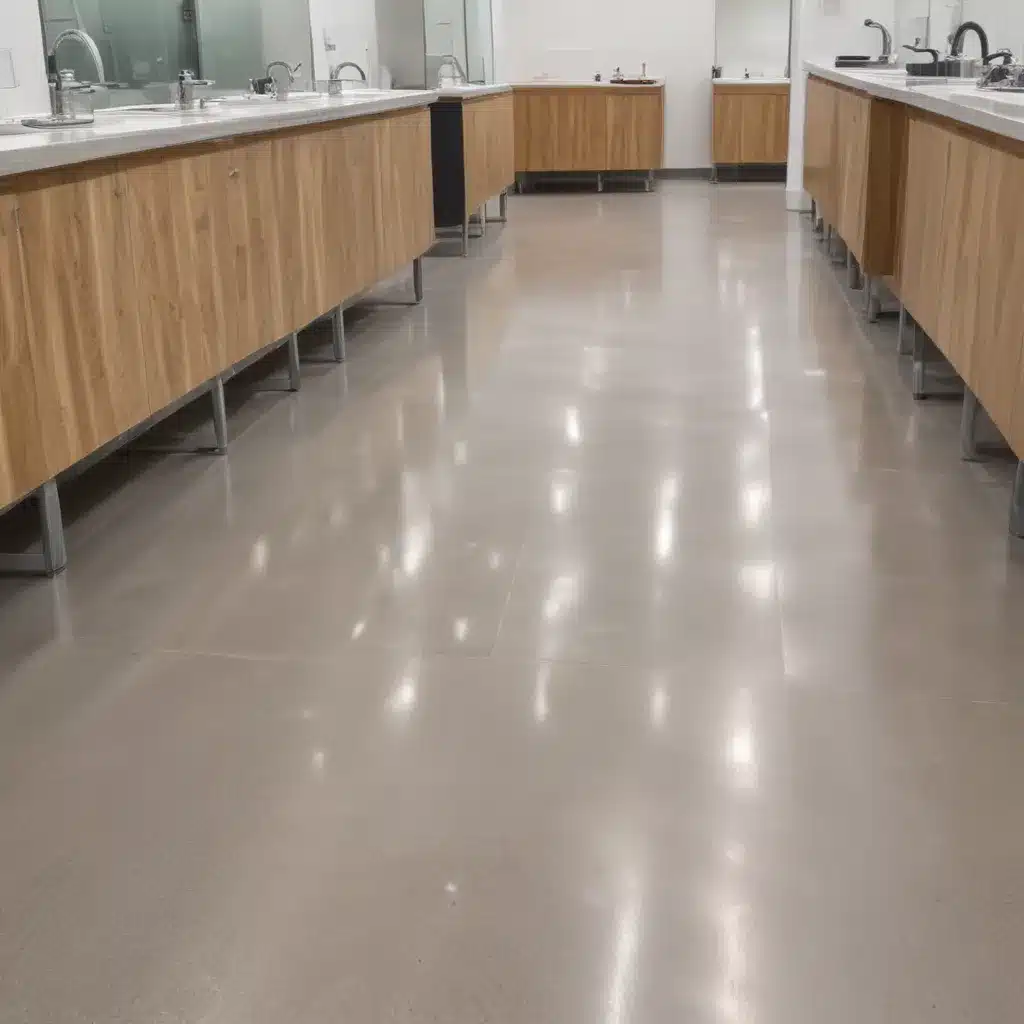
In the UK’s modern commercial and office environments, maintaining high hygiene standards is of paramount importance. With increased scrutiny on cleanliness and sanitation, facility managers and building owners must carefully consider their flooring choices. Raised access flooring systems have emerged as a robust solution, offering a range of benefits that directly address the evolving needs of hygienic workspaces.
Floor Panel Specifications
At the heart of a raised flooring system are the individual floor panels. These panels must meet stringent performance criteria to ensure long-term durability and easy maintenance.
Load Capacity: The floor panels should be designed to withstand significant static and dynamic loads, ensuring safety and stability even in high-traffic areas. Look for panels rated to support heavy equipment, furniture, and foot traffic without compromising the integrity of the system.
Dimensional Stability: Raised floor panels must demonstrate excellent dimensional stability, resisting warping, shrinking, or expanding over time. This quality is essential for maintaining a level, uniform surface and preventing gaps or uneven transitions that could harbor dirt and bacteria.
Surface Finish Options: The panel’s surface finish plays a crucial role in its cleanability and hygienic properties. Smooth, non-porous surfaces like high-pressure laminates or factory-applied coatings are ideal, as they minimize crevices and allow for quick and thorough cleaning. Antimicrobial treatments can further enhance the panels’ resistance to microbial growth.
Pedestal Design and Installation
The quality and installation of the pedestal system that supports the raised floor panels are equally important for maintaining hygiene standards.
Pedestal Adjustment: Adjustable pedestals ensure that the floor can be leveled precisely, creating a seamless, flat surface. This attention to detail prevents gaps and crevices where dirt and debris can accumulate.
Load Distribution: Robust pedestal designs distribute the weight of the floor and any additional loads evenly, preventing uneven settling or sagging that could compromise the system’s integrity over time.
Seismic Compliance: In seismic-prone areas, raised flooring systems must be designed and installed to withstand lateral forces and maintain stability. This compliance helps ensure the floor remains secure and hygienic, even in the event of an earthquake.
Underfloor Services Management
Raised access flooring systems offer the unique advantage of providing a concealed space for the management of essential building services, further enhancing the overall cleanliness and hygiene of the workspace.
Cable Management: The underfloor cavity allows for the organized routing and containment of electrical, data, and communications cables, keeping them out of sight and away from the main floor area. This prevents unsightly and potentially unhygienic cable trays or conduits on the surface.
HVAC Integration: Integrating the HVAC system with the raised floor design enables efficient air distribution and better temperature control. This helps maintain optimal humidity levels and prevent the buildup of moisture, which can promote microbial growth.
Plumbing and Utility Routing: Raised floors make it easier to conceal and manage plumbing, water, and other utility lines, reducing the risk of leaks or spills that could compromise the cleanliness of the space.
Regulatory and Safety Considerations
Raised access flooring solutions must adhere to strict regulatory standards to ensure the safety and hygiene of commercial environments.
Flammability Standards: Raised floor panels and supporting components should comply with applicable fire safety regulations, such as BSEN 12825, to minimize the risk of fire spread and protect occupants.
Accessibility Requirements: The design of raised flooring systems must consider accessibility guidelines, ensuring that the floor surface is level and transitions are smooth to accommodate the needs of all users, including those with mobility challenges.
Electrostatic Discharge (ESD) Control: In certain applications, such as electronics manufacturing or data centers, raised flooring systems may need to incorporate ESD-control measures to prevent static electricity buildup and potential damage to sensitive equipment.
Hygiene and Cleanability
Maintaining a high level of cleanliness is a critical aspect of raised flooring solutions, and the design of these systems plays a crucial role in achieving and sustaining hygienic standards.
Antimicrobial Treatments
Raised floor panels can be engineered with antimicrobial surface coatings or treatments that actively inhibit the growth of bacteria, mold, and other microorganisms. These innovative solutions provide an extra layer of protection, complementing the inherent cleanability of the flooring system.
Modular Floor Panels
The modular nature of raised access flooring allows for easy removal and replacement of individual panels. This design feature facilitates thorough and efficient cleaning, as panels can be lifted to access the underfloor cavity and thoroughly scrub the surface without disrupting the entire floor.
Subfloor Ventilation
The space created by the raised floor system enables effective air circulation and moisture management, helping to prevent the buildup of humidity, which can lead to the proliferation of harmful microorganisms. This ventilation also supports the overall indoor air quality, contributing to a healthier environment.
Performance and Durability
Raised access flooring systems must demonstrate exceptional performance and durability to maintain their hygienic properties over the long term.
Impact Resistance
Raised floors should be designed to withstand both static and dynamic loads, ensuring that the surface remains intact and free of cracks or damage that could harbor dirt and bacteria. Rigorous testing for impact resistance is essential.
Lifespan and Maintenance
High-quality raised flooring solutions are engineered to withstand the rigors of everyday use, with a focus on wear resistance and the ability to replace individual components as needed. This longevity and serviceability contribute to the system’s long-term cleanliness and hygiene.
Design Flexibility
The versatility of raised access flooring systems allows facility managers to tailor the solution to their specific hygiene and operational requirements.
Customizable Layouts
Modular raised flooring designs enable customizable configurations, making it easier to integrate the system with the building’s infrastructure and optimize airflow, cable management, and cleaning accessibility.
Aesthetic Considerations
Raised flooring solutions come in a variety of finishes and colors, allowing designers to create visually appealing environments that reflect the attention to detail and commitment to cleanliness.
Sustainability and Environmental Impact
In today’s eco-conscious landscape, the environmental impact of building materials and systems is a crucial consideration.
Recyclable Materials
Many raised access flooring components, such as the steel pedestals and high-pressure laminate panels, are designed to be recyclable at the end of the system’s lifespan, contributing to a more circular economy.
Indoor Air Quality
Raised access flooring systems that incorporate low-emission materials and efficient underfloor ventilation can have a positive impact on indoor air quality, promoting a healthier work environment for occupants.
Investing in a high-quality raised access flooring solution is a strategic decision that directly supports the maintenance of hygiene standards in commercial and office settings. By prioritizing features like antimicrobial treatments, modular design, and performance-driven engineering, facility managers can create cleaner, safer, and more efficient spaces that meet the evolving needs of modern businesses. Explore the range of raised flooring solutions offered by Raised Flooring UK to elevate the hygiene and functionality of your workspace.

