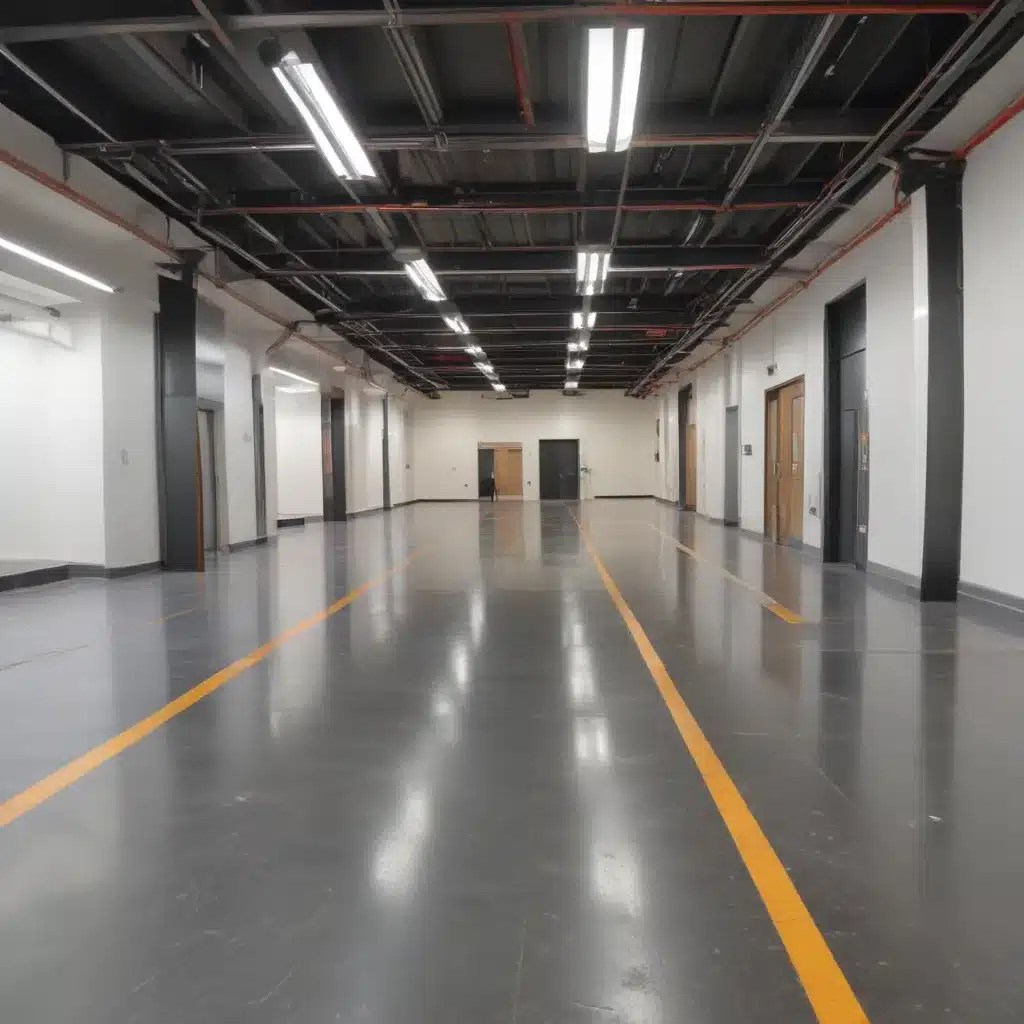
Raised access flooring systems are an integral part of modern commercial and office environments across the UK. These elevated floor solutions offer unparalleled flexibility, allowing for convenient routing of electrical, data, and HVAC services beneath the surface. However, maintaining the cleanliness and sterilisation of these raised floors is crucial to ensure both the longevity of the system and the health and safety of building occupants.
In this comprehensive guide, we’ll explore the best practices for cleaning, disinfecting, and sterilising raised access flooring systems, drawing from industry standards and the latest research. Whether you’re a facilities manager, building owner, or commercial client, this article will equip you with the knowledge to keep your raised floors in pristine condition.
Cleaning Protocols for Raised Flooring
Routine cleaning of raised access flooring is essential to remove accumulated dirt, debris, and potential contaminants from the surface and the underfloor cavity. The frequency and methods of cleaning will depend on the specific usage and environmental factors of the facility, as well as the applicable industry standards.
Scheduled Cleaning Procedures
For general office or commercial environments, a regular cleaning schedule should be implemented, typically involving the following steps:
-
Dry Dusting: Use a microfiber mop or cloth to gently wipe down the floor panels, removing any loose dust or dirt. Avoid using abrasive materials that could scratch the surface finish.
-
Damp Mopping: Prepare a cleaning solution using a neutral pH detergent diluted in warm water. Thoroughly mop the floor panels, ensuring that the cleaning solution contacts all areas. Avoid excessive wetting to prevent water from seeping into the underfloor cavity.
-
Spot Cleaning: Inspect the floor for any spills or stains and address them immediately using an appropriate cleaning product. Consult the panel manufacturer’s recommendations to ensure compatibility with the surface material.
-
Cavity Maintenance: Every few months, or as needed, use a commercial-grade vacuum cleaner with a HEPA filter to remove accumulated dust and debris from the underfloor cavity. This will help maintain airflow and prevent the buildup of contaminants.
Disinfection and Sterilisation Protocols
In certain high-traffic or sensitive environments, such as healthcare facilities, data centres, or clean rooms, a more rigorous disinfection and sterilisation protocol may be required. This can involve the following steps:
-
Preclean: Thoroughly clean the raised floor panels using the scheduled cleaning procedures outlined above to remove any visible dirt or organic matter.
-
Disinfection: Apply a facility-approved disinfectant solution to the floor panels, ensuring complete coverage and compliance with the manufacturer’s recommended contact time. Suitable disinfectants may include improved hydrogen peroxide, chlorine-releasing agents, or alcohol-based products.
-
Sterilisation: For critical areas requiring a higher level of cleanliness, consider using a sterilisation method such as ultraviolet (UV-C) light or vaporised hydrogen peroxide. These treatments can effectively eliminate any remaining microbial contaminants.
-
Cavity Disinfection: If necessary, the underfloor cavity can also be disinfected using a fogging or misting technique with a compatible disinfectant solution. This will help prevent the spread of airborne pathogens.
It is crucial to follow the manufacturer’s instructions and consult with infection control professionals to determine the appropriate disinfection and sterilisation protocols for your specific facility and raised flooring system.
Maintenance and Regulatory Compliance
Maintaining the cleanliness and integrity of raised access flooring systems is not only essential for indoor air quality and occupant health but also crucial for compliance with industry standards and regulations.
Scheduled Maintenance
In addition to regular cleaning, raised access flooring systems require periodic maintenance to ensure optimal performance and longevity. This may include:
-
Pedestal Adjustments: Check the height and stability of the supporting pedestals, making any necessary adjustments to ensure level and secure flooring.
-
Panel Inspection: Visually inspect the floor panels for any signs of wear, damage, or loose connections, and replace or repair them as needed.
-
Underfloor Cavity Checks: Regularly inspect the underfloor cavity for dust buildup, debris accumulation, or potential obstructions to airflow. Clean or clear the cavity as required.
-
Expansion Joint Maintenance: Ensure that expansion joints around the perimeter of the raised floor system are well-maintained and functioning correctly to accommodate any movement or changes in the subfloor.
Regulatory Compliance
Raised access flooring systems in the UK must comply with various industry standards and regulations, including:
-
BSEN 12825:2001: This European standard specifies the requirements and testing methods for raised access floors, including load-bearing capacity, dimensional tolerances, and safety considerations.
-
PSA MOB PF2 PS/SPU: The UK Government’s ‘Property Services Agency’ standard for raised access flooring systems, addressing performance specifications, installation guidelines, and maintenance protocols.
-
Environmental Regulations: Raised floor installations must adhere to local and national environmental regulations, particularly regarding the disposal of cleaning products, disinfectants, and any waste generated during the maintenance process.
By adhering to these standards and regulations, you can ensure that your raised access flooring system not only maintains optimal performance but also provides a safe and sustainable environment for building occupants.
Conclusion
Maintaining the cleanliness and sterilisation of raised access flooring systems is a critical aspect of facility management. By implementing a comprehensive cleaning and disinfection protocol, adhering to scheduled maintenance practices, and ensuring regulatory compliance, you can extend the lifespan of your raised flooring system while promoting a healthy and productive indoor environment.
For more information on the design, installation, and long-term care of raised access flooring in the UK, visit http://raised-flooring.co.uk/. Our team of experienced consultants is here to help you navigate the complexities of this versatile building solution and ensure your facility’s success.