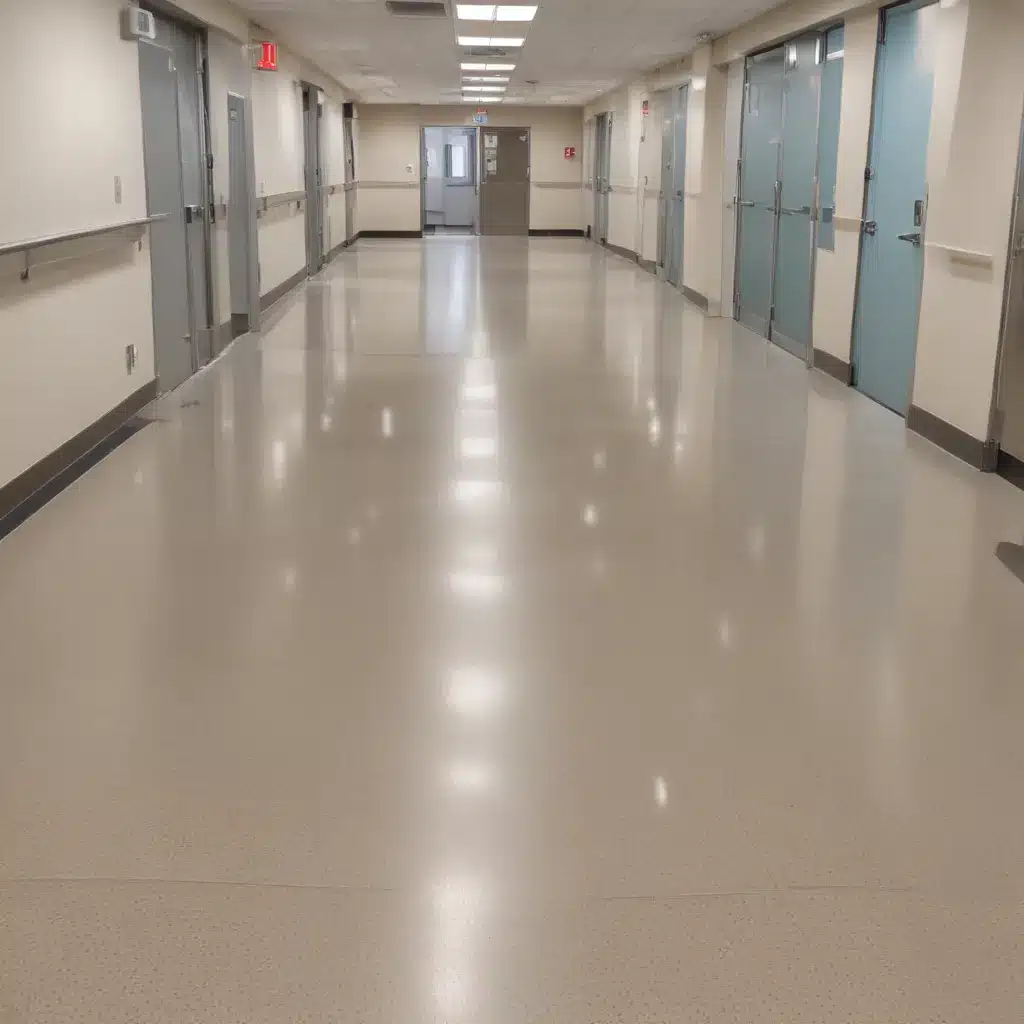
Maintaining optimal performance and longevity of raised access flooring systems is crucial in healthcare environments where air quality, cleanliness, and accessibility are paramount concerns. As an experienced raised flooring consultant for Raised Flooring UK, I’ve seen firsthand how a proactive approach to maintenance can ensure these critical facilities continue to function at the highest level and protect patient wellbeing.
Floor Structure and Components
The foundation of any resilient raised access flooring system is its underlying structure and components. Load-bearing capacity is a key consideration, as healthcare facilities often house heavy medical equipment, densely populated workstations, and high-traffic areas. Pedestal design and adjustment capabilities are also essential, allowing the floor to adapt to uneven subfloors or accommodate cabling/piping changes over time.
The subfloor and panel materials selected play a major role in overall durability and ease of maintenance. Steel-encapsulated panels are a popular choice, offering superior strength, fire resistance, and cleanability compared to alternatives like wood-cored panels. Perforated panel options also facilitate better HVAC airflow and underfloor access.
Maintenance Strategies
Proper maintenance of raised access floors in healthcare settings is a multi-faceted endeavor encompassing routine cleaning, structural inspections, and strategic repairs or replacements as needed.
Routine Cleaning and Inspection
Regular vacuuming and damp mopping of the floor surface should be part of the facility’s standard janitorial protocol. This helps control the buildup of dust, dirt, and other contaminants that can degrade air quality and create slip/trip hazards. Quarterly or bi-annual comprehensive inspections by a qualified raised flooring specialist are also recommended to identify any structural issues, panel damage, or pedestal misalignment that may require attention.
Repairs and Replacements
Inevitably, some degree of panel or pedestal replacement will be necessary over the lifespan of the access flooring system. Damaged or delaminating panels should be swiftly removed and replaced to maintain a smooth, level surface. Adjusting or replacing individual pedestals can also correct uneven areas and prevent future problems. In healthcare settings, it’s crucial that any repairs be performed with minimal disruption to daily operations and in accordance with infection control best practices.
Preventive Maintenance Schedules
Creating a preventive maintenance schedule tailored to your healthcare facility’s specific needs is a wise investment. This may include quarterly or semi-annual professional inspections, annual deep cleaning, and proactive replacement of high-traffic or high-risk components. Documenting maintenance activities and costs can also aid in budgeting for future system upgrades or replacements.
Accessibility and Compliance
Accessibility is a critical consideration for raised access flooring in healthcare environments, where patients, staff, and visitors with mobility challenges must be able to safely navigate the space. Ensuring compliance with ADA guidelines and BSEN 12825 standards is essential.
Proper integration with the building’s HVAC system is a key factor, as the underfloor cavity must allow for effective air circulation and prevent the accumulation of dust or contaminants. Careful management of electrical cabling, data lines, and other infrastructure within the access floor cavity is also vital to maintain accessibility and safety.
Operational Benefits
Beyond the basics of structural integrity and cleanliness, raised access flooring offers several operational advantages that support the unique needs of healthcare facilities. The inherent flexibility allows for easy reconfiguration of workstations, equipment layouts, and service access as needs evolve. The underfloor utility distribution also helps maintain a cleaner, more streamlined appearance compared to surface-mounted cabling.
Improved indoor air quality is another key benefit, as the raised floor creates a contained underfloor cavity that isolates airborne particles and enables efficient HVAC circulation. This can be particularly valuable in sensitive areas like surgical suites, isolation rooms, and sterile process zones.
Sustainability Considerations
The environmental impact of building materials and construction practices is an increasingly important factor for healthcare organizations. Raised access flooring systems can contribute to more sustainable facilities through the use of recyclable components, energy-efficient HVAC integration, and reduced material waste during installation and future modifications.
Many access floor panel and pedestal manufacturers now offer products with high recycled content and end-of-life recyclability. The flexibility inherent to raised floors also minimizes the need for disruptive renovations, reducing construction debris and material consumption over the long term.
Contractor Selection and Installation
Ensuring a successful raised access flooring installation in a healthcare setting requires partnering with qualified, experienced contractors. Look for installers who specialize in the unique requirements of these environments, including strict adherence to infection control protocols, clean room procedures, and stringent quality control measures.
Proper site preparation, including a level subfloor and adequate room for underfloor infrastructure, is essential. Comprehensive warranties and guarantees that cover both the materials and labor should also be a key consideration when evaluating potential contractors.
Healthcare-Specific Factors
Beyond the general best practices for raised access flooring, there are several healthcare-specific factors that must be addressed to maintain optimal performance and patient safety.
Rigorous infection control protocols dictate the use of materials and cleaning methods that can withstand frequent disinfection without degradation. Careful cable management and seamless panel transitions also minimize potential trip hazards for patients, staff, and visitors navigating the space.
Ergonomic design principles, such as adjustable pedestal heights and low-profile panel edges, help create an accessible environment that supports the diverse mobility needs of healthcare facility users.
Ultimately, a proactive, multifaceted approach to raised access flooring maintenance is crucial in healthcare environments. By prioritizing structural integrity, accessibility, air quality, and infection control, facility managers can ensure these critical systems continue to deliver long-term value and support the highest standards of patient care. For more information, visit Raised Flooring UK.Example: London Cloud Provider Expansion

