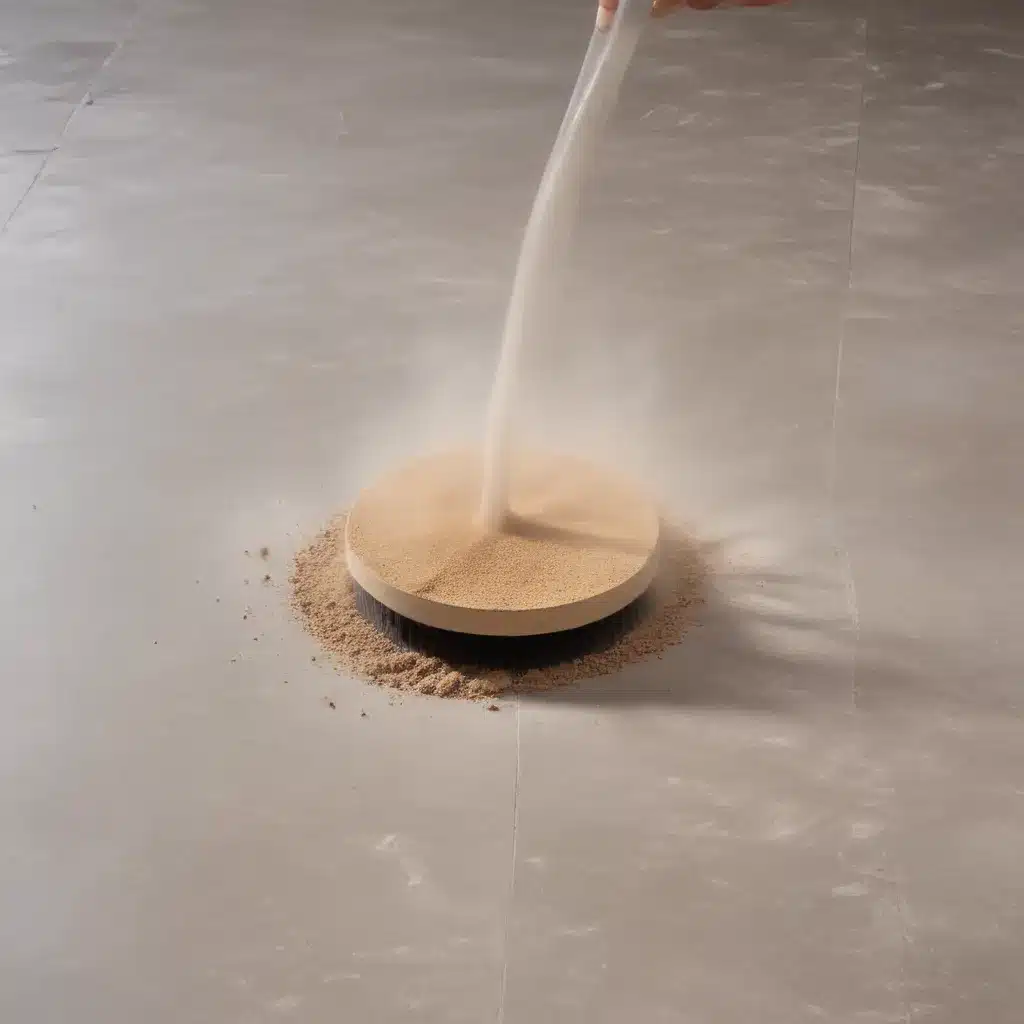
Mitigating Dust Accumulation Risks in Raised Flooring for UK Applications
Raised access flooring systems have become an increasingly popular choice for modern commercial and office environments across the UK. These versatile floor systems offer numerous benefits, including enhanced cable management, improved airflow distribution, and greater flexibility in space utilization. However, one of the key challenges facing raised floor installations is the effective mitigation of dust accumulation, which can have serious implications for indoor air quality, equipment performance, and overall occupant health and comfort.
Dust Sources and Pathways
The accumulation of dust within raised flooring systems can be attributed to a combination of factors, both internal and external to the building. Outdoor pollutants, such as particulate matter from nearby traffic or industrial activities, can easily infiltrate the indoor environment and become trapped within the raised floor cavity. Equally, the building occupants themselves are a significant source of dust, shedding skin cells, hair, and other organic matter that can contribute to the overall dust load.
Human activities like walking, cleaning, and even the simple movement of air can resuspend and circulate this particulate matter, allowing it to settle within the raised floor void. Additionally, poor building maintenance, such as infrequent cleaning or inadequate filtration, can exacerbate the problem, leading to the gradual buildup of dust and debris over time.
Risks of Dust Accumulation
The presence of excessive dust within raised flooring systems can pose a range of risks, both to the building and its occupants. Firstly, the accumulation of dust can compromise the thermal and acoustic performance of the raised floor, reducing the overall efficiency and effectiveness of the system. Dust can act as an insulator, hindering the flow of air and heat, while also contributing to increased noise levels as the particulate matter is disturbed.
More critically, the buildup of dust can have a detrimental impact on indoor air quality. Dust can harbor a variety of microorganisms, including bacteria, fungi, and viruses, which can be resuspended into the breathing zone and potentially cause respiratory issues, allergic reactions, and other health concerns for building occupants. This is particularly concerning in sensitive environments, such as healthcare facilities or research laboratories, where air quality is of paramount importance.
Furthermore, the presence of dust can interfere with the proper functioning of electrical and mechanical equipment installed within the raised floor cavity. Dust can accumulate on circuit boards, sensors, and other delicate components, leading to potential malfunctions, reduced reliability, and increased maintenance requirements.
Mitigating Dust Accumulation
To effectively mitigate the risks of dust accumulation in raised flooring systems, a comprehensive approach is required, addressing both the sources of dust and the strategies for its management.
Design Considerations
During the design phase, it is crucial to incorporate features that minimize dust infiltration and enhance the overall cleanliness of the raised floor system. This can include the selection of appropriate panel materials, such as those with a smooth, non-porous surface that is less prone to dust adhesion. Additionally, the incorporation of effective sealing mechanisms, such as gaskets or edge trims, can help to create a more airtight barrier, limiting the entry of outdoor pollutants.
Airflow Management
Effective airflow management is a key strategy in controlling dust accumulation within raised flooring systems. By designing the HVAC system to create a positive pressure differential between the raised floor cavity and the occupied space, dust-laden air can be efficiently expelled, preventing its recirculation. The strategic placement of supply and return air grilles can further enhance this process, ensuring a consistent and controlled airflow pattern.
Filtration and Cleaning
Regular maintenance and cleaning of the raised floor cavity are essential for mitigating dust accumulation. This can involve the use of high-efficiency particulate air (HEPA) filters, which are capable of capturing even the smallest dust particles, as well as regular cleaning of the floor panels and pedestals using specialized equipment. The frequency of these cleaning routines should be tailored to the specific usage and occupancy patterns of the building, ensuring that dust levels are kept to a minimum.
Occupant Awareness and Engagement
Engaging building occupants in the dust mitigation process can also be highly effective. By educating users on the importance of proper foot traffic patterns, the use of sticky mats, and the avoidance of activities that can resuspend dust, the overall cleanliness of the raised floor system can be significantly improved.
Cost Considerations
The implementation of effective dust mitigation strategies for raised flooring systems can incur additional costs, but these investments can be justified by the long-term benefits. For example, the installation of high-performance filtration systems or the regular employment of professional cleaning services may require a higher initial outlay, but these measures can ultimately lead to reduced maintenance requirements, extended equipment lifespan, and improved indoor air quality.
Additionally, the selection of premium-quality raised floor panels and components with enhanced dust-resistance can also contribute to the overall cost of the system. However, these upfront expenses can be offset by the reduced need for maintenance and the improved long-term performance of the raised floor.
Regulatory Compliance
In the UK, raised access flooring systems are subject to a range of regulatory standards and guidelines, including the PSA (Property Services Agency) and BSEN 12825 (Raised Access Floors). These regulations establish minimum requirements for factors such as load-bearing capacity, fire safety, and accessibility, all of which can have implications for the design and installation of dust mitigation strategies.
For example, the BSEN 12825 standard specifies performance criteria for raised floor systems, including the ability to resist the ingress of dust and other contaminants. Compliance with these regulations is crucial not only for ensuring the safety and functionality of the raised floor but also for maintaining a healthy indoor environment.
Conclusion
Mitigating dust accumulation in raised flooring systems is a critical consideration for building owners, facilities managers, and commercial clients in the UK. By adopting a comprehensive approach that addresses the sources of dust, optimizes airflow management, and implements rigorous cleaning and maintenance protocols, the risks associated with excessive dust can be effectively minimized.
Raised Flooring UK offers a range of expert consulting services to help commercial and office clients navigate the complexities of raised flooring design, installation, and maintenance. Our team of experienced professionals can provide tailored solutions to ensure the long-term performance and air quality of your raised floor system, ultimately enhancing the comfort, productivity, and well-being of your building’s occupants. Contact us today to learn more about our services and how we can help you mitigate the risks of dust accumulation in your raised flooring installation.Tip: Consider future cabling needs during initial installation

