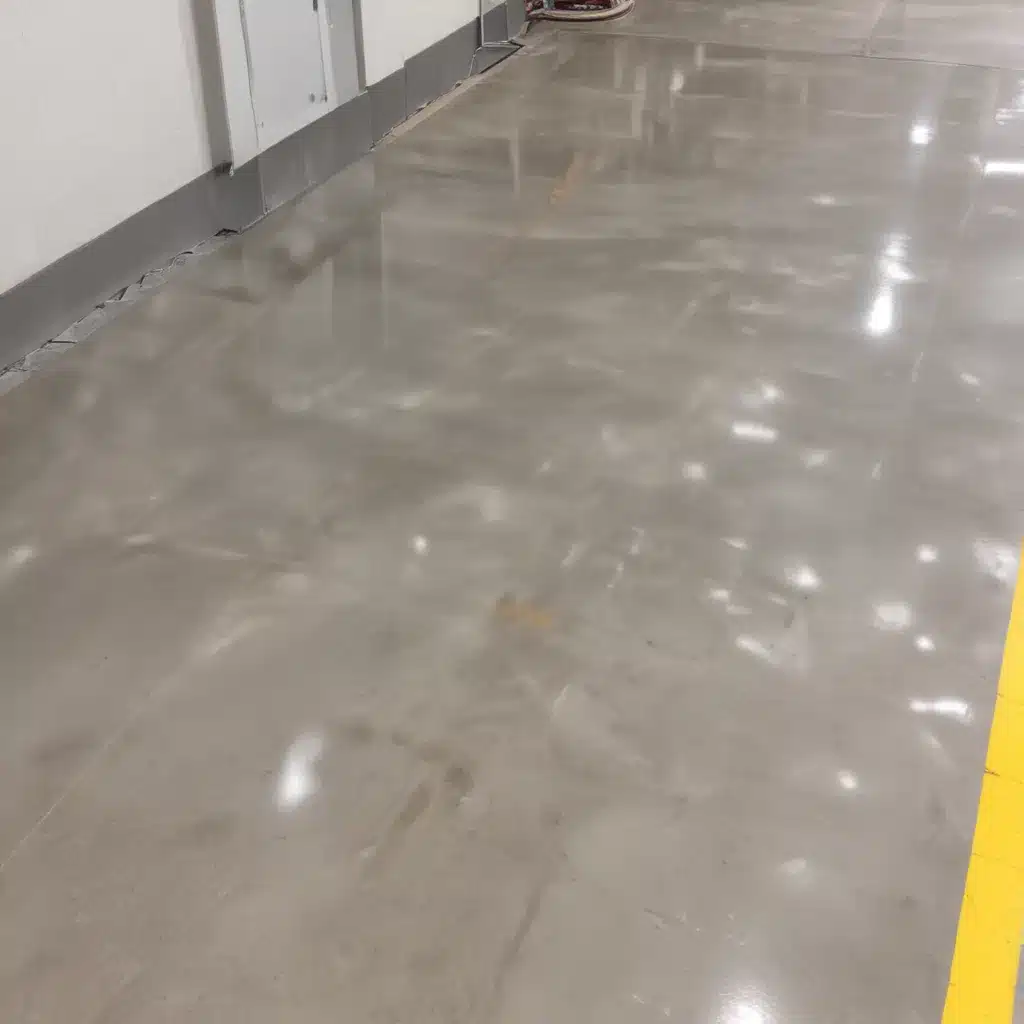
Raised access flooring systems have become an increasingly popular choice for modern commercial and office environments across the United Kingdom. These innovative flooring solutions offer numerous benefits, from enhanced cabling infrastructure to improved thermal and acoustic management. However, one key challenge that must be addressed is the mitigation of humidity-related risks, especially in controlled environment applications such as data centers, laboratories, and clean rooms.
Understanding the Importance of Humidity Control
Maintaining optimal humidity levels is crucial for the long-term performance and integrity of raised access flooring systems. Excessive humidity can lead to a host of issues, including:
Mold and Mildew Growth: Damp conditions within the plenum space or on the underside of flooring panels can promote the growth of mold and mildew, which can compromise air quality, degrade materials, and pose health risks.
Corrosion of Metal Components: High humidity levels can accelerate the corrosion of metal pedestals, stringers, and other structural components, reducing the load-bearing capacity and lifespan of the raised floor system.
Adhesive Failure: Elevated moisture levels can cause the breakdown of adhesives used to secure flooring panels, leading to instability, uneven surfaces, and potential tripping hazards.
Swelling and Warping of Panels: Prolonged exposure to moisture can cause some panel materials, such as wood or wood-based composites, to swell and warp, compromising the overall performance and aesthetics of the raised floor.
To mitigate these risks and ensure the long-term reliability of raised flooring installations in controlled environments, a comprehensive approach to humidity management is essential.
Assessing the Humidity Profile
The first step in addressing humidity-related risks is to thoroughly assess the humidity profile of the project site. This involves collecting and analyzing data on:
Ambient Humidity Levels: Measure the relative humidity (RH) levels in the surrounding environment, both within the occupied space and in the plenum area beneath the raised floor.
Concrete Slab Moisture Content: Evaluate the moisture content of the concrete subfloor using industry-standard testing methods, such as the in situ relative humidity (RH) test (ASTM F2170) or the calcium chloride (CaCl) test (ASTM F1869).
Sources of Moisture: Identify potential sources of moisture intrusion, such as leaks, condensation, or high groundwater levels, which can contribute to elevated humidity levels.
Environmental Factors: Consider the impact of factors like temperature, ventilation, and air conditioning systems on the overall humidity profile of the space.
By gathering this comprehensive data, you can develop a clear understanding of the specific humidity challenges facing the project site, allowing you to tailor your design and installation strategies accordingly.
Design Strategies for Humidity Control
Once the humidity profile has been assessed, the next step is to incorporate design strategies that effectively mitigate the identified risks. Some key considerations include:
Plenum Space Design: Ensure adequate plenum height and airflow to facilitate the movement and circulation of air, which can help to regulate humidity levels. Proper plenum design can also improve the efficiency of HVAC systems in controlling temperature and humidity.
Flooring Panel Selection: Choose steel encapsulated access floor panels or other moisture-resistant panel materials that are less susceptible to the effects of humidity, such as high-pressure laminates or calcium sulfate panels.
Sealing and Vapor Barriers: Implement effective sealing techniques and the use of vapor barriers to prevent the ingress of moisture from the subfloor or surrounding environment into the plenum space.
Underfloor HVAC Integration: Integrate the raised floor system with the building’s HVAC infrastructure to ensure that humidity levels are actively monitored and controlled within the desired range.
Continuous Monitoring: Deploy real-time humidity monitoring systems, such as wireless data loggers, to track conditions within the plenum and occupied spaces, enabling proactive adjustments and maintenance.
By incorporating these design strategies, you can create a raised flooring solution that is resilient to the challenges posed by humidity, ensuring the long-term performance and reliability of the installation.
Installation Best Practices
Proper installation techniques are crucial for mitigating humidity-related risks in raised flooring systems. Key considerations include:
Subfloor Preparation: Ensure that the concrete subfloor is properly cured, clean, and free from any excess moisture before commencing the installation. This may involve implementing moisture mitigation measures, such as the application of a vapor barrier or the use of a concrete moisture-remediation system.
Pedestal Adjustment: Carefully level and adjust the height of the access floor pedestals to maintain a consistent clearance between the subfloor and the underside of the panels. This helps to maintain uniform airflow and prevent the accumulation of moisture in localized areas.
Panel Placement: Secure the flooring panels firmly to the pedestals, following the manufacturer’s guidelines to minimize the risk of panel displacement or separation, which could create gaps and disrupt the overall humidity profile.
Sealing and Perimeter Detailing: Seal all perimeter edges, penetrations, and other potential entry points for moisture to prevent the ingress of humidity into the plenum space.
Ongoing Maintenance: Implement a comprehensive maintenance plan to regularly inspect the raised floor system, address any issues promptly, and ensure the continued effectiveness of the humidity control measures.
By following these best practices during the installation process, you can help to ensure the long-term performance and reliability of the raised flooring system in controlled environment applications.
Cost Considerations and Regulatory Compliance
Investing in effective humidity control measures for raised flooring installations may come with additional upfront costs, but the long-term benefits often outweigh the initial investment. These costs can include:
Specialized Flooring Materials: The selection of moisture-resistant panel materials, such as steel encapsulated access floor panels, may be more expensive than standard options but can provide superior durability and humidity resistance.
Integrated HVAC Systems: Integrating the raised floor system with the building’s HVAC infrastructure to actively monitor and control humidity levels can add to the overall project budget, but this investment can pay dividends in terms of system reliability and energy efficiency.
Continuous Monitoring Equipment: The installation of real-time humidity monitoring systems, such as wireless data loggers, can help to identify and address issues proactively, but these devices represent an additional cost.
In addition to the financial considerations, it is essential to ensure that the raised flooring system meets all relevant regulatory requirements and industry standards, such as:
Building Codes: Comply with local building codes, which may include specific guidelines or restrictions related to the use of raised flooring systems in controlled environment applications.
Safety Standards: Adhere to safety standards, such as the BSEN 12825 (Raised Access Floors), which establish requirements for load-bearing capacity, panel stability, and other performance characteristics.
Sustainability Objectives: Consider the environmental impact and energy efficiency of the raised flooring system, aligning with sustainable design principles and any applicable green building certifications.
By carefully balancing the cost implications and regulatory compliance requirements, you can develop a raised flooring solution that not only mitigates humidity-related risks but also meets the broader needs and objectives of the project.
Conclusion
Raised access flooring systems offer numerous benefits for modern commercial and office environments, but effectively managing humidity is a critical consideration, especially in controlled environment applications. By understanding the importance of humidity control, assessing the site-specific humidity profile, and implementing comprehensive design strategies and installation best practices, you can create a raised flooring solution that is resilient, reliable, and compliant with industry standards.
Investing in the right humidity control measures may come with additional upfront costs, but the long-term benefits in terms of system performance, occupant comfort, and operational efficiency make it a worthwhile investment. By prioritizing humidity mitigation in your raised flooring projects, you can ensure the longevity and success of these innovative flooring systems, delivering exceptional value to your clients.
To learn more about how Raised Flooring UK can assist with your next raised access flooring project, please visit our website at http://raised-flooring.co.uk/.Tip: Always verify floor load ratings with structural engineers

