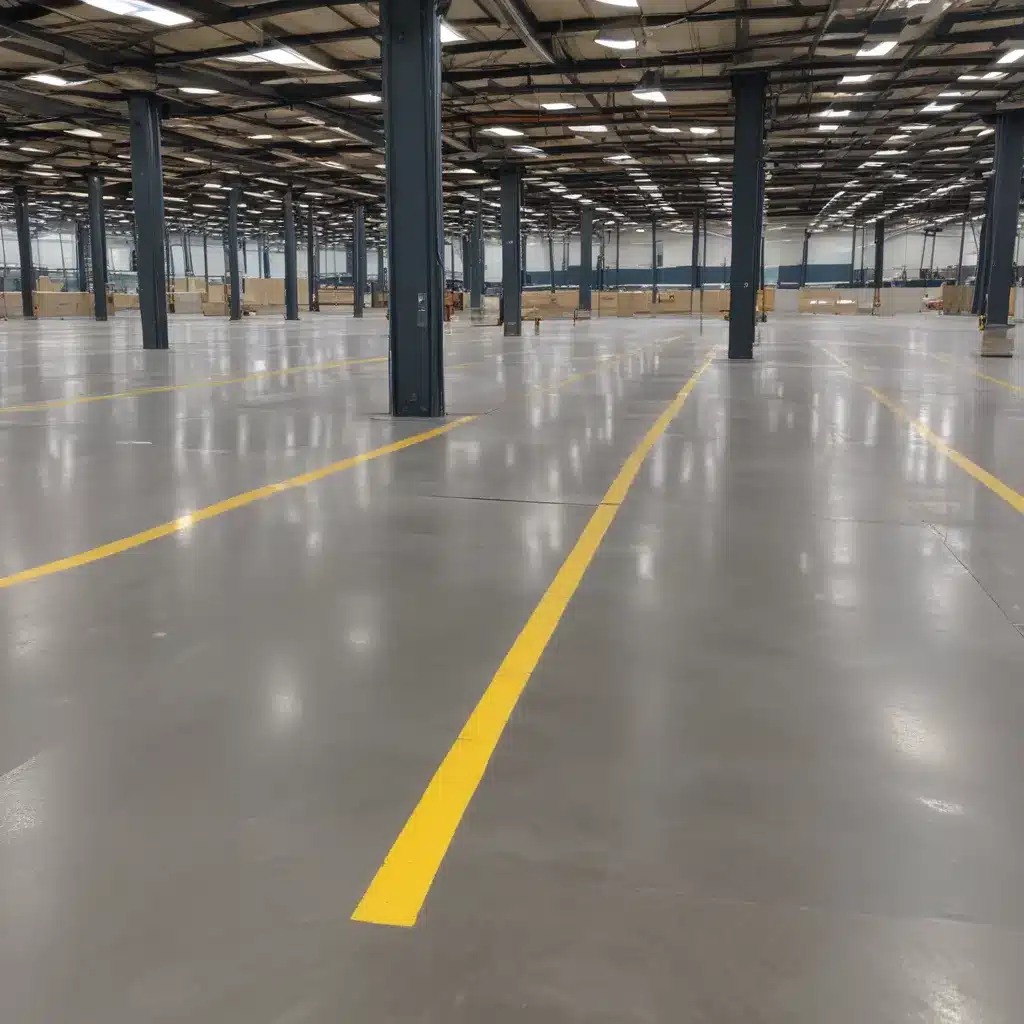
Vibration is a key consideration when designing and installing raised access flooring systems for industrial and manufacturing environments in the UK. Excessive vibration can lead to a host of issues, from accelerated wear and tear on the floor panels and pedestals to disruptions in sensitive equipment and processes. As an experienced raised flooring consultant, I’ll share practical strategies to identify, mitigate, and manage vibration concerns for robust, long-lasting performance.
Diagnosing Vibration Sources
The first step is to determine the root cause of vibration issues. Common culprits include heavy machinery, HVAC equipment, forklifts, and even footfall from high-traffic areas. Using specialized vibration measurement tools, we can analyze the frequency, amplitude, and directionality of vibrations to pinpoint the source.
One client in the UK had persistent vibration problems traced back to an industrial compressor installed in the basement. The high-frequency vibrations were transmitting upwards through the concrete slab and into the raised access floor above, causing visible movement and disrupting nearby sensitive equipment.
Vibration Dampening Strategies
Once the source is identified, the next step is to implement targeted vibration control measures. This typically involves a combination of the following techniques:
Damping Materials: Strategically placing high-performance damping materials, such as viscoelastic pads or constrained layer damping panels, can effectively absorb and dissipate vibration energy before it reaches the raised floor system. These solutions are easy to retrofit and provide substantial noise and vibration reduction.
Isolation Mounts: Isolating vibration-inducing equipment from the building structure is crucial. Placing motors, pumps, and other machinery on resilient mounts or springs helps prevent the transmission of vibrations into the raised floor.
Pedestal Design: The configuration and construction of the access floor pedestals play a major role in vibration mitigation. Heavier-duty pedestals with additional damping features can better withstand and isolate vibrations. Adjustable pedestals also allow for precise leveling to account for uneven surfaces.
Modular Panel Selection: The choice of access floor panels can impact vibration performance. Panels with internal damping treatments or specific resonance-mitigating designs are more effective at containing vibrations within the floor system.
For a manufacturing facility dealing with excessive vibration from production equipment, we implemented a combination of these strategies. High-density viscoelastic pads were placed under critical machinery, while the access floor pedestals were reinforced with additional damping features. The result was a stable, vibration-resistant raised floor that maintained productivity and equipment uptime.
Monitoring and Maintenance
Ongoing monitoring and preventive maintenance are essential for maintaining vibration control over the long term. Regular inspections, load testing, and vibration measurements can identify any degradation or changes that may require intervention.
Proper maintenance of the access floor system is also crucial. Ensuring secure pedestal connections, addressing any loose or damaged panels, and keeping the underfloor space clear of obstructions all contribute to preserving the vibration-dampening performance.
In one case, a client’s raised floor began experiencing increased vibration after several years of use. Investigating the issue revealed that the pedestal connections had gradually loosened over time, compromising the overall rigidity of the system. By implementing a comprehensive maintenance program, including re-leveling and tightening the pedestals, the vibration problems were resolved, and the floor’s performance was restored.
Regulatory Compliance and Standards
When designing vibration-resistant raised flooring systems, it’s essential to adhere to relevant industry standards and building regulations. In the UK, key guidelines include:
- PSA MOB PF2 PS/SPU: This specification outlines performance requirements for access flooring, including load-bearing capacity and vibration criteria.
- BSEN 12825: The European standard for raised access floors provides detailed testing methodologies and criteria for evaluating vibration performance.
Consulting these standards, as well as collaborating with structural engineers and local authorities, helps ensure that the raised floor system meets all necessary regulations and delivers long-term, reliable performance.
Innovative Solutions
As the demands on industrial and manufacturing facilities continue to evolve, raised flooring designers must stay ahead of the curve. Emerging technologies and design approaches are being explored to enhance vibration mitigation capabilities further.
One novel solution involves the use of active vibration control systems. These systems incorporate sensors, actuators, and advanced control algorithms to continuously monitor and counteract vibrations in real-time. By applying equal and opposite forces, these systems can effectively “cancel out” the unwanted vibrations before they impact the floor and connected equipment.
Another innovative approach is the integration of smart pedestal systems. These pedestals incorporate integrated sensors and microprocessors to continually assess the floor’s condition, detect any deviations or developing issues, and automatically adjust their damping properties to maintain optimal vibration control.
As an experienced raised flooring consultant, I’m excited to see the continued development and adoption of these advanced vibration mitigation technologies in the UK market. By combining proven dampening techniques with cutting-edge innovations, we can create raised flooring solutions that are not only highly functional but also resilient and adaptable to the unique demands of industrial environments.
Conclusion
Vibration is a critical consideration in the design, installation, and maintenance of raised access flooring systems for industrial and manufacturing facilities in the UK. By leveraging a comprehensive approach to vibration diagnosis, mitigation, and ongoing monitoring, we can ensure that these essential floor systems deliver stable, high-performance service for years to come. Through the strategic application of damping materials, isolation techniques, and innovative technologies, raised flooring can be optimized to withstand the unique challenges of dynamic, vibration-intensive environments.
To learn more about our expertise in vibration-resistant raised flooring solutions, please visit Raised Flooring UK or contact us to discuss your project requirements.

