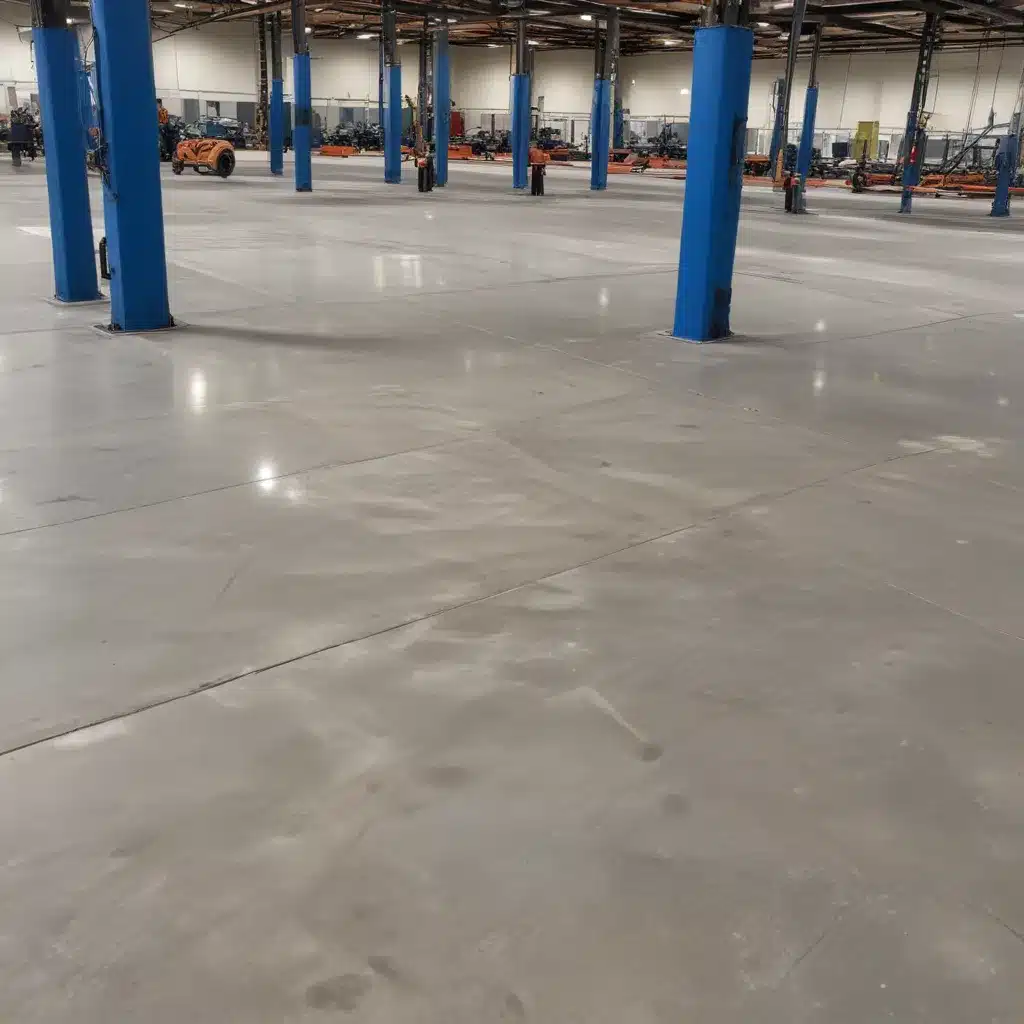
As an experienced raised flooring consultant for Raised Flooring UK, I understand the unique challenges faced by industrial and manufacturing facilities when it comes to managing vibration concerns. Vibrations can have a significant impact on the performance and longevity of raised access flooring systems, making it a critical factor to consider during the design, installation, and maintenance phases.
In this comprehensive article, we’ll delve into the various strategies and best practices for mitigating vibration issues in industrial environments, ensuring your raised flooring investment delivers reliable long-term performance.
Raised Access Flooring Systems
Raised access flooring systems have become increasingly popular in modern industrial and manufacturing facilities due to their versatility, adaptability, and ability to accommodate complex service routing requirements. These elevated floor systems, comprised of modular panels supported by a network of adjustable pedestals, offer numerous advantages, including:
- Flexible Cable and Service Management: Raised floors provide a convenient, accessible space for routing electrical, data, and mechanical services, allowing for easy reconfiguration as needs change.
- Improved Airflow and Thermal Management: The cavity beneath the raised floor can be utilized for delivering conditioned air or heat, optimizing the overall environmental conditions.
- Enhanced Accessibility and Adaptability: Raised floors enable quick access to the subfloor for maintenance, upgrades, or modifications, without disrupting ongoing operations.
Vibration Mitigation Strategies
While these raised flooring systems offer numerous benefits, they can be susceptible to vibration-related challenges, particularly in industrial settings where heavy machinery, high-impact processes, and dynamic loads are present. Effectively mitigating vibration concerns is crucial to ensuring the long-term performance, safety, and reliability of your raised flooring investment.
Vibration Isolation Techniques
One of the primary strategies for addressing vibration issues is the implementation of vibration isolation techniques. This approach involves the strategic placement of damping materials or components that can absorb and dissipate the energy transmitted through the raised flooring system.
Isolation Pads and Gaskets: Placing resilient isolation pads or gaskets between the floor pedestals and the subfloor can help decouple the raised floor system from the primary structure, reducing the transmission of vibrations. These materials are typically made from rubber, neoprene, or other elastomeric compounds that exhibit high damping characteristics.
Spring-Loaded Pedestals: Raised floor pedestals with integrated spring mechanisms can provide an additional layer of vibration isolation, allowing the floor to move independently and absorb the energy of vibrations. This can be particularly beneficial in areas where specific equipment or machinery is a significant source of vibration.
Floating Floor Designs: In some cases, the entire raised floor system can be designed as a “floating” structure, where the panels are not rigidly connected to the pedestals or the subfloor. This approach takes advantage of the inherent flexibility of the raised floor to limit the transmission of vibrations throughout the system.
Damping Materials and Components
Complementing the vibration isolation techniques, the strategic incorporation of damping materials and components can further enhance the overall vibration mitigation performance of the raised flooring system.
Damping Pads: Installing specialized damping pads or mats beneath the raised floor panels can help dissipate the energy of vibrations, reducing their impact on the system’s structural integrity and performance.
Viscoelastic Dampers: Incorporating viscoelastic dampers, such as rubber-based or polymer-based damping elements, into the raised floor system can effectively attenuate the transmission of vibrations through the structure.
Tuned Mass Dampers: Advanced vibration mitigation solutions may involve the use of tuned mass dampers (TMDs), which are dynamic systems designed to counteract the vibrations induced by external forces. TMDs can be strategically placed within the raised floor structure to provide targeted vibration control.
Dynamic Load Modeling and Analysis
To effectively design and implement vibration mitigation strategies, it is essential to understand the dynamic loading conditions and vibration characteristics of the industrial or manufacturing facility. This can be achieved through comprehensive dynamic load modeling and analysis.
Finite Element Analysis (FEA): Utilizing finite element analysis techniques, engineers can simulate the behavior of the raised flooring system under various dynamic loading scenarios, including the effects of vibrations from machinery, equipment, and other sources. This allows for the optimization of the system’s design and the selection of appropriate damping and isolation components.
Vibration Monitoring and Testing: On-site vibration monitoring and testing can provide valuable data on the actual vibration levels and patterns experienced by the raised flooring system. This information can be used to refine the design, validate the effectiveness of mitigation strategies, and guide ongoing maintenance and monitoring efforts.
Cable and Service Management
Effective cable and service management is crucial in industrial and manufacturing facilities, where the raised flooring system must accommodate a wide range of electrical, data, and mechanical services. Careful planning and design are essential to ensure the optimal performance and resilience of the raised flooring system in the face of vibration-related challenges.
Cable Routing and Accessibility
Raised floors provide a convenient and accessible space for routing cables and services, but vibrations can pose risks to the integrity and functionality of these essential systems. Implementing robust cable management strategies, such as the use of cable trays, conduits, or dedicated raceways, can help mitigate the impact of vibrations on the cabling infrastructure.
Electrical and Data Wiring Integration
Integrating electrical and data wiring systems into the raised flooring system requires special consideration to address vibration concerns. The use of flexible conduits, strain relief mechanisms, and secure cable fastening methods can help prevent damage and maintain the reliability of these critical services.
Modular Connectivity and Flexibility
Raised flooring systems in industrial environments often need to accommodate frequent reconfigurations and changes to the facility layout. Modular connectivity and flexible service integration can enable quick and efficient modifications, minimizing disruptions and ensuring the continued performance of the raised floor and its associated services in the face of vibration-related challenges.
Environmental and Regulatory Compliance
Industrial and manufacturing facilities must comply with a range of environmental and regulatory standards, including those related to fire safety, electrostatic discharge (ESD) control, and accessibility. Ensuring that the raised flooring system meets these requirements is essential, even in the presence of vibration-related concerns.
Fire Safety and Smoke Propagation
Raised flooring systems must be designed and installed to mitigate the risk of fire and smoke propagation, in accordance with relevant fire safety regulations, such as the BSEN 12825 standard. Vibration-resistant materials and components can help maintain the structural integrity and fire-resistance of the raised floor, even in the event of a fire emergency.
Electrostatic Discharge (ESD) Control
In industrial environments, the management of electrostatic discharge (ESD) is crucial to protect sensitive electronic equipment and ensure worker safety. Raised flooring systems must be designed and installed to provide effective ESD control, even in the presence of vibrations that could potentially disrupt the system’s electrical grounding and bonding.
Accessibility and Workplace Regulations
Raised flooring systems in industrial and manufacturing facilities must comply with accessibility regulations, ensuring safe and easy access for all building occupants, including those with mobility challenges. Vibration mitigation strategies should not compromise the overall accessibility and usability of the raised floor system.
Performance Optimization
Optimizing the performance of raised flooring systems in industrial and manufacturing facilities involves addressing a range of factors, including thermal management, acoustic performance, and long-term maintenance considerations.
Thermal Management and Airflow
Vibrations can impact the airflow and thermal management capabilities of raised flooring systems, potentially affecting the overall environmental conditions within the facility. Careful design and integration of the raised floor with the HVAC system can ensure that vibration-related issues do not compromise the thermal comfort and energy efficiency of the building.
Acoustic Performance and Noise Reduction
Industrial environments are often characterized by high levels of noise and vibrations, which can be transmitted through the raised flooring system. Incorporating acoustic damping materials and sound-absorbing components can help mitigate the impact of vibrations on the overall acoustic performance of the facility, creating a more comfortable and productive work environment.
Maintenance and Lifecycle Considerations
Maintaining the optimal performance of a raised flooring system in an industrial setting requires a well-planned maintenance strategy that addresses vibration-related concerns. Regular inspections, adjustments, and replacements of critical components, such as isolation pads, dampers, and pedestals, can help ensure the long-term reliability and durability of the system.
Deployment and Installation
The successful deployment and installation of raised flooring systems in industrial and manufacturing facilities are crucial to their long-term performance and vibration mitigation capabilities.
Site Preparation and Subfloor Requirements
Proper site preparation and subfloor conditions are essential for the successful installation of a raised flooring system. Ensuring a level, stable, and vibration-resistant subfloor can enhance the system’s ability to withstand and mitigate the effects of vibrations.
Modular Panel Placement and Interlocking
The installation of raised floor panels must be executed with precision to maintain the integrity and stability of the system, even in the presence of vibrations. Secure panel interlocking and proper pedestal adjustments can help minimize the impacts of vibrations on the overall raised floor structure.
Expansion and Reconfiguration Capabilities
Industrial and manufacturing facilities often require frequent reconfigurations and expansions of their raised flooring systems to accommodate changes in workflow, equipment, or service requirements. Designing and installing the raised floor with flexibility and adaptability in mind can ensure that vibration-related challenges are effectively addressed during these dynamic changes.
Design Considerations for Industrial Facilities
When designing raised flooring systems for industrial and manufacturing environments, it is essential to consider the unique challenges and requirements of these facilities.
Facility Layout and Workflow Integration
The layout and workflow of an industrial facility can have a significant impact on the vibration characteristics experienced by the raised flooring system. Carefully aligning the raised floor design with the facility’s operational needs and the placement of machinery or equipment can help mitigate vibration-related issues.
Hazardous Environment Compatibility
In some industrial settings, the raised flooring system may need to be compatible with hazardous environments, such as those containing flammable materials, explosive atmospheres, or corrosive substances. Selecting appropriate materials and components that can withstand these conditions while effectively mitigating vibrations is crucial.
Corrosion and Chemical Resistance
Industrial facilities often expose raised flooring systems to various chemicals, fluids, and environmental factors that can accelerate corrosion and deterioration. Choosing materials and finishes that are resistant to these conditions can help ensure the long-term performance and vibration mitigation capabilities of the raised floor.
Emerging Trends and Technologies
As the industrial and manufacturing landscape continues to evolve, new technologies and innovative solutions are emerging to address vibration-related challenges in raised flooring systems.
Automated Sensing and Monitoring
Integrating advanced sensors and monitoring systems into raised flooring systems can provide real-time data on vibration levels, load conditions, and system performance. This information can be used to proactively identify and address potential issues, optimize maintenance strategies, and enhance the overall resilience of the raised floor.
Intelligent Building Management Systems
The integration of raised flooring systems with intelligent building management systems (BMS) can enable the centralized monitoring and control of vibration-related parameters. This can include the coordination of vibration mitigation strategies, the optimization of environmental conditions, and the predictive maintenance of the raised floor infrastructure.
Sustainable and Eco-friendly Solutions
As the demand for environmentally responsible solutions grows, the development of sustainable and eco-friendly raised flooring systems, including the use of recycled or bio-based materials, is becoming increasingly important. These innovations can help mitigate vibration concerns while reducing the environmental impact of industrial and manufacturing facilities.
By implementing comprehensive vibration mitigation strategies, carefully managing cable and service integration, ensuring environmental and regulatory compliance, and harnessing emerging technologies, you can maximize the performance, reliability, and longevity of raised flooring systems in industrial and manufacturing environments. As an experienced raised flooring consultant, I’m here to guide you through every step of the process, helping you navigate the unique challenges and unlock the full potential of your facility’s raised flooring investment.
For more information or to discuss your specific raised flooring requirements, please don’t hesitate to visit http://raised-flooring.co.uk/ or contact our team of experts.Statistic: 40% faster cooling with optimized floor layouts

