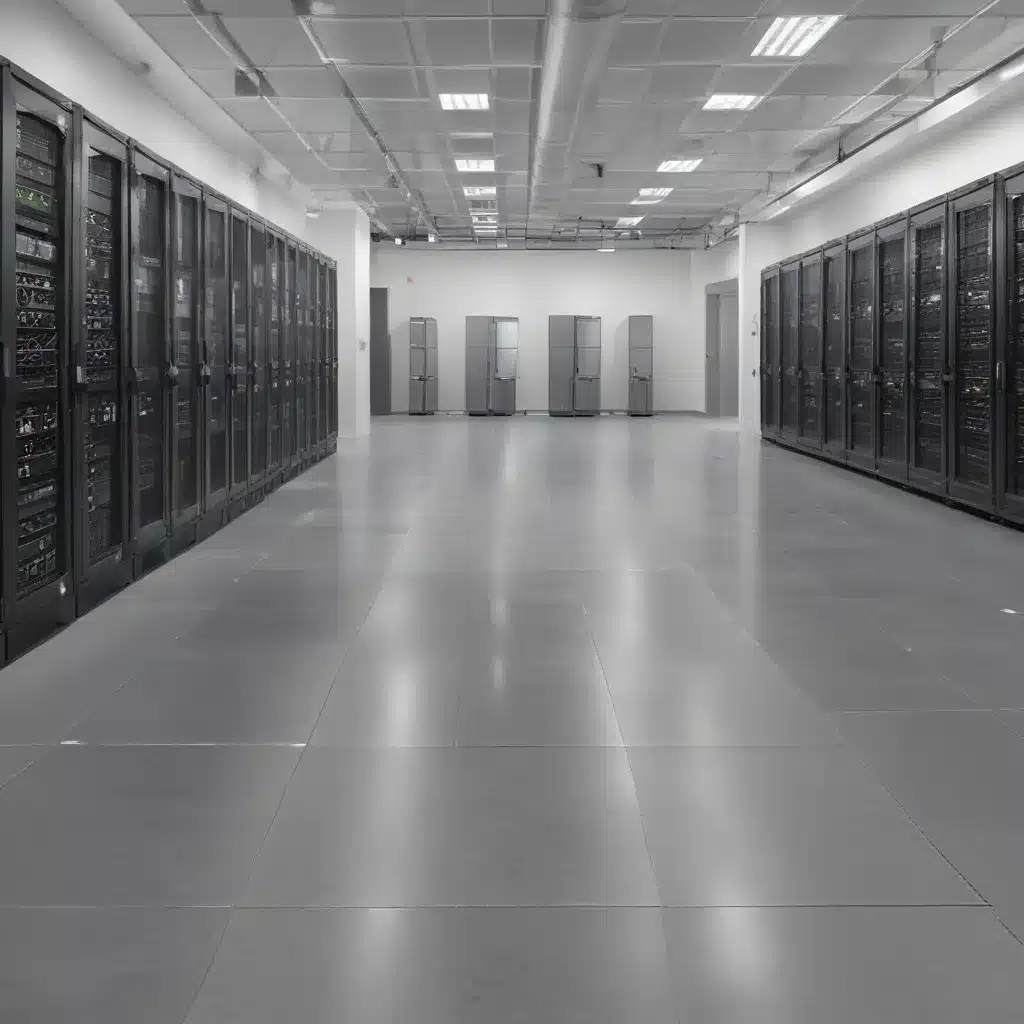
In the modern age of technology, where data fuels our digital landscape, the design and construction of data centres have become crucial considerations for businesses and organizations across the United Kingdom. As the demand for efficient, scalable, and environmentally-friendly data infrastructure continues to rise, the role of raised access flooring systems has become increasingly integral. These innovative flooring solutions not only provide the necessary flexibility and functionality for data centres, but they are also embracing sustainable design principles to drive the industry towards a greener future.
Structural Considerations
At the heart of a well-designed raised access flooring system lies a focus on structural integrity and adaptability. The load-bearing capacity of the flooring system is a critical factor, as data centres often house heavy server racks, networking equipment, and cooling infrastructure. Manufacturers have developed advanced steel-encapsulated panels that can withstand heavy loads, with some solutions capable of supporting up to 1,350 kg per square metre.
The ability to accommodate changes and expansions is another key consideration. Raised access floors feature adjustable pedestals that allow for precise height customization, typically ranging from 3 to 48 inches. This flexibility enables easy integration with existing building infrastructure and accommodates the installation of underfloor air distribution systems, cable pathways, and other utilities.
The subfloor construction, often a reinforced concrete slab, plays a crucial role in the overall stability and load-bearing capacity of the raised access flooring system. Proper subfloor preparation and the selection of appropriate panel types are essential to ensure a secure and long-lasting installation.
Airflow Management
One of the primary advantages of raised access flooring in data centres is the underfloor plenum – the concealed space between the subfloor and the raised panels. This space serves as a dedicated airflow pathway, allowing for efficient distribution of conditioned air throughout the data centre.
The selection of perforated tiles is crucial for airflow optimization. These specialized panels feature strategically placed perforations that direct cool air upwards, targeting the specific areas where it is needed most – such as server racks and other heat-generating equipment. By leveraging the underfloor plenum, raised access flooring systems enable a more uniform temperature distribution, improving overall cooling efficiency and reducing energy consumption.
Integrating the raised access flooring with the data centre’s HVAC (Heating, Ventilation, and Air Conditioning) system is a crucial step in ensuring optimal airflow management. Specialized grommets and sealing solutions help to create a controlled environment, minimizing air leakage and maintaining precise temperature and humidity levels.
Cabling and Containment
The concealed space beneath a raised access floor is an invaluable asset for cable management in data centres. This hidden infrastructure allows for the organized routing and containment of power, network, and communication cables, keeping the workspace clean, accessible, and free from clutter.
Raised flooring systems often feature dedicated cable pathways and raceways, providing organized and easily navigable routes for the intricate web of cables. This layout not only enhances the overall aesthetics of the data centre but also simplifies maintenance and future upgrades, as cables can be easily accessed and rerouted without disrupting the daily operations.
Addressing the challenge of electromagnetic interference (EMI) is another critical aspect of raised access flooring design in data centres. Specialized shielding techniques, such as the use of grounded metallic panels or the separation of power and data cabling, help to mitigate the risk of signal interference and ensure the reliable performance of sensitive electronic equipment.
Sustainability and Efficiency
As the global focus on sustainability and environmental responsibility continues to grow, the raised access flooring industry has responded with innovative solutions that prioritize eco-friendliness and energy efficiency.
The selection of materials for raised access flooring panels has become a crucial consideration. Manufacturers are increasingly incorporating recycled content, such as post-consumer steel and aluminum, as well as Calcium Sulfate (CaSO4) panels, which are composed of a high percentage of recycled gypsum – a naturally occurring mineral. These sustainable material choices not only reduce the environmental impact of data centre construction but also enable the potential for future recycling and reuse.
Ensuring compliance with building codes and standards, such as the BSEN 12825 for raised access floors, is essential for data centres. These guidelines set requirements for fire safety, accessibility, and other crucial aspects, ensuring that the raised flooring system meets the necessary regulatory standards.
Raised Flooring Applications in Data Centres
The versatility of raised access flooring systems has made them an indispensable component in the design and construction of modern data centres. These innovative solutions address the unique challenges faced by this critical infrastructure.
In data centre design, raised access flooring provides the foundation for optimized cooling and airflow management. By creating a dedicated underfloor plenum, these systems enable the efficient distribution of conditioned air, targeting the specific areas where it is needed most. This, in turn, helps to maintain the optimal temperature and humidity levels required for the reliable operation of server racks and other heat-generating equipment.
Raised access flooring also enhances space utilization within data centres, allowing for the concealment of cabling, power distribution, and other essential services. This frees up valuable floor space for the strategic placement of server racks and other mission-critical hardware, maximizing the overall efficiency and capacity of the data centre.
Furthermore, the scalability and flexibility inherent in raised access flooring systems make them well-suited for the dynamic nature of data centre operations. As business needs and technological requirements evolve, the adjustable pedestals and modular panel design enable easy reconfiguration and expansion, ensuring that the data centre infrastructure can adapt to changing demands.
Conclusion
In the ever-evolving landscape of data centre design and construction, raised access flooring systems have emerged as a pivotal component, offering a multitude of benefits that cater to the unique needs of this critical infrastructure. From structural integrity and airflow optimization to sustainable material choices and regulatory compliance, these innovative solutions are driving the industry towards a greener and more efficient future.
By embracing the latest advancements in raised flooring technology, data centre operators and design professionals in the UK can ensure that their facilities not only meet the demands of modern computing but also contribute to a more sustainable and environmentally-friendly digital landscape. As the industry continues to evolve, the role of raised access flooring in data centres will only become more vital, solidifying its position as a cornerstone of sustainable and efficient data infrastructure design.
If you’re interested in learning more about the latest innovations in raised access flooring for data centres, be sure to visit Raised Flooring UK for expert guidance and industry-leading solutions.Example: London Cloud Provider Expansion

