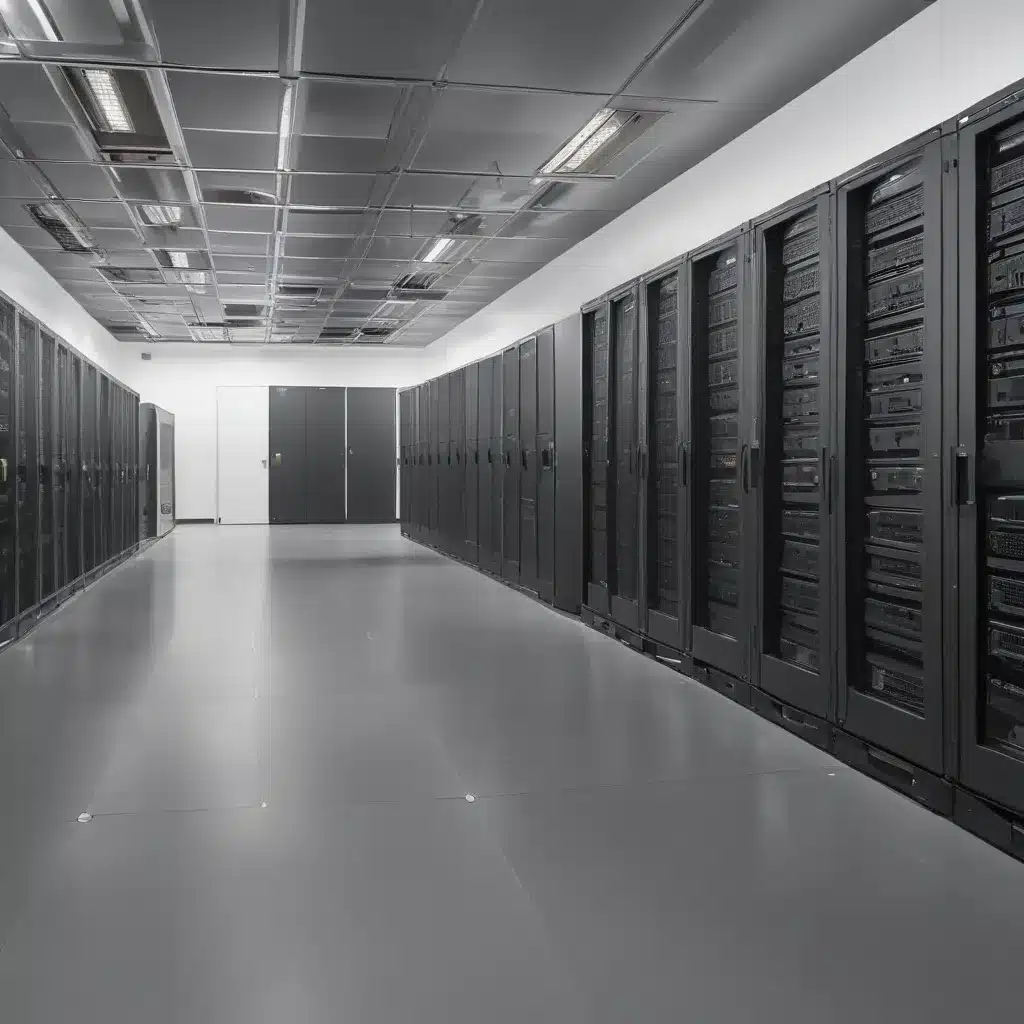
Achieving Optimal Airflow, Cooling Efficiency, and Energy Savings in Data Centres with Advanced Raised Flooring Solutions in the UK
As the UK’s reliance on digital services continues to grow, so too does the demand for energy-efficient and sustainable data centres. At the heart of these critical facilities lie the often-overlooked raised access flooring systems – the hidden heroes responsible for managing airflow, cooling, and power distribution.
Raised access flooring has become an essential component in modern data centre design, providing a versatile and flexible infrastructure that enables superior cooling efficiency, improved cable management, and enhanced energy savings. By leveraging the latest advancements in raised flooring technology, UK-based data centre operators can achieve optimal airflow, maximise cooling performance, and significantly reduce their overall energy consumption.
Structural Design and Performance
The structural integrity and load-bearing capacity of raised access flooring are paramount in data centre applications. These systems must be engineinely designed to support the weight of heavy IT equipment, including servers, storage arrays, and networking gear, without compromising their performance or safety.
Load Capacity: Raised access floors in data centres are typically rated to withstand point loads of up to 1,200 kg per square metre and uniformly distributed loads of 12 kN/m2 or more, ensuring they can safely bear the weight of even the most densely populated server racks. The use of steel encapsulated panels and high-strength pedestals is crucial in delivering this robust load-bearing capacity.
Pedestal Adjustment: Another key feature of advanced raised flooring systems is the ability to easily adjust the height of individual pedestals. This flexibility allows data centre operators to accommodate uneven subfloors, changes in equipment layouts, and varying cooling requirements, ensuring optimal airflow and thermal management across the entire facility.
Seismic Considerations: In regions prone to seismic activity, such as certain parts of the UK, raised access flooring systems must be designed to withstand significant lateral forces and remain stable during earthquakes. Specialised seismic bracing and pedestal locking mechanisms are often integrated to safeguard the integrity of the flooring and the critical equipment it supports.
Environmental Benefits
Beyond their structural performance, raised access flooring systems in data centres offer significant environmental benefits, contributing to improved energy efficiency and reduced carbon footprints.
Energy Efficiency: By creating a dedicated underfloor plenum for air distribution, raised access floors enable highly efficient cooling strategies. This underfloor air distribution approach allows cool air to be delivered directly to the server equipment, minimising the energy required for cooling and reducing the overall power consumption of the data centre.
Cooling Optimization: The versatility of raised access flooring allows for the implementation of advanced cooling technologies, such as hot and cold aisle containment, variable air volume (VAV) systems, and in-row cooling units. These innovative solutions precisely target the cooling needs of individual server racks, optimising airflow and ensuring that energy is not wasted on over-cooling the entire facility.
Thermal Management: The raised floor’s ability to create a controlled air distribution environment plays a crucial role in maintaining optimal temperatures for data centre equipment. By regulating the flow and temperature of the cool air, data centre operators can avoid hotspots, extend the lifespan of their IT infrastructure, and reduce the risk of equipment failures or thermal shutdowns.
Cable and Service Integration
Effective cable management and service integration are essential for maintaining the operational efficiency and flexibility of data centres. Raised access flooring systems excel in these areas, offering numerous benefits that streamline infrastructure management and enhance accessibility.
Cable Routing and Management: The underfloor space provided by raised access floors allows for the organised and efficient routing of power, data, and communication cables. This cable management approach reduces clutter, improves airflow, and simplifies the process of adding, relocating, or maintaining cables as equipment and requirements change over time.
Underfloor Connectivity: Raised access flooring systems often incorporate integrated service outlets, enabling the easy connection of servers, networking devices, and other IT equipment to the necessary power and data services. This underfloor connectivity ensures a clean, organised, and easily accessible infrastructure, minimising the risk of cable damage or disruption.
Accessibility and Maintenance: The removable nature of raised access floor panels grants data centre personnel direct and convenient access to the underfloor area, simplifying maintenance, equipment upgrades, and troubleshooting tasks. This enhanced accessibility contributes to the overall efficiency and responsiveness of data centre operations.
Regulatory Compliance
As data centres in the UK strive to improve their environmental sustainability and meet evolving industry standards, raised access flooring systems play a crucial role in ensuring regulatory compliance.
Building Codes and Standards: Raised access flooring systems must adhere to various building codes and industry standards, such as BSEN 12825, which outlines the performance requirements for raised access floors. Compliance with these standards ensures the structural integrity, fire safety, and overall suitability of the flooring system for data centre applications.
Fire Safety Requirements: In data centres, fire safety is of paramount importance. Raised access flooring systems address this concern by incorporating fire-rated panels and sealing mechanisms that help contain the spread of flames and smoke, enhancing the overall fire safety of the facility.
Sustainability Certifications: As data centre operators in the UK increasingly prioritise sustainability, raised access flooring systems can contribute to the achievement of green building certifications like LEED (Leadership in Energy and Environmental Design) and BREEAM (Building Research Establishment Environmental Assessment Method). These certifications recognise data centres that meet stringent criteria for energy efficiency, water usage, and waste management.
Advances in Raised Flooring Technology
The raised access flooring industry has witnessed significant advancements in recent years, with innovative solutions that enhance performance, versatility, and environmental sustainability.
Modular Panel Designs: Modern raised access flooring systems feature modular panel designs that allow for easy installation, reconfiguration, and replacement. These panels can be quickly and efficiently swapped out, enabling data centre operators to adapt to changing equipment layouts and infrastructure requirements with minimal disruption.
Innovative Pedestals: The foundation of raised access flooring systems, pedestals, have also undergone significant improvements. Advanced pedestal designs incorporate features such as tool-free adjustment, seismic bracing, and anti-vibration mechanisms, further enhancing the stability, flexibility, and safety of the overall flooring system.
High-Performance Materials: Raised access flooring panels are now manufactured using a variety of high-performance materials, including lightweight but durable composites, engineered wood products, and advanced cementitious formulations. These materials offer superior strength, fire resistance, and environmental credentials, making them well-suited for data centre applications.
Deployment and Installation Considerations
Proper site preparation, thoughtful layout planning, and careful integration with building systems are crucial for the successful deployment of raised access flooring in data centres.
Site Preparation: Before the installation of a raised access flooring system, the subfloor must be meticulously prepared to ensure a level and stable foundation. This may involve levelling, sealing, or reinforcing the existing concrete slab to create a suitable base for the raised floor.
Flooring Layout and Configurations: Data centre operators must carefully plan the layout and configuration of the raised access flooring to optimise airflow, cable management, and equipment accessibility. This includes determining the optimal panel size, pedestal spacing, and aisle widths to accommodate the specific requirements of the data centre.
Integration with Building Systems: Raised access flooring systems must be seamlessly integrated with the data centre’s other critical infrastructure, such as the HVAC system, electrical distribution, and fire protection. Coordinating these interconnected systems ensures the overall efficiency and reliability of the data centre’s operations.
Maintenance and Lifecycle Management
Maintaining the performance and extending the lifespan of raised access flooring systems in data centres is crucial for ensuring the continued reliability and efficiency of the facility.
Cleaning and Accessibility: Regular cleaning and maintenance of the underfloor space, including the removal of dust, debris, and potential contaminants, help maintain optimal airflow and prevent equipment damage. The accessibility of raised access floors simplifies these cleaning and maintenance tasks.
Reconfiguration and Scalability: As data centre requirements evolve over time, the flexibility of raised access flooring systems allows for easy reconfiguration and scalability. Panels and pedestals can be readily adjusted or replaced to accommodate new equipment layouts, power and cooling demands, or infrastructure upgrades.
Longevity and Replacement: While well-designed raised access flooring systems can have a long lifespan, they may eventually reach the end of their useful life. Proactive monitoring and timely replacement of aged or deteriorating components help maintain the structural integrity, safety, and performance of the data centre’s overall infrastructure.
Benefits for Data Centre Applications
The unique advantages of raised access flooring systems make them an essential component in the design and operation of modern, energy-efficient data centres in the UK.
Improved Airflow and Cooling: By creating a dedicated underfloor plenum for air distribution, raised access floors enable highly efficient cooling strategies, such as hot and cold aisle containment and in-row cooling, optimising airflow and temperature control for data centre equipment.
Flexible Infrastructure: The modular and adjustable nature of raised access flooring systems allows data centre operators to easily adapt to changing equipment layouts, power requirements, and cooling demands, ensuring the long-term flexibility and scalability of the facility.
Energy Savings and Sustainability: Raised access flooring’s contribution to improved cooling efficiency, cable management, and overall infrastructure optimisation can lead to significant energy savings and reductions in the data centre’s carbon footprint, aligning with the UK’s sustainability goals.
By leveraging the latest advancements in raised access flooring technology, data centre operators in the UK can achieve optimal airflow, maximise cooling efficiency, and realise substantial energy savings – all while maintaining a flexible and compliant infrastructure that supports the growing demands of the digital economy.
To learn more about how raised access flooring solutions can benefit your data centre, visit raised-flooring.co.uk.

