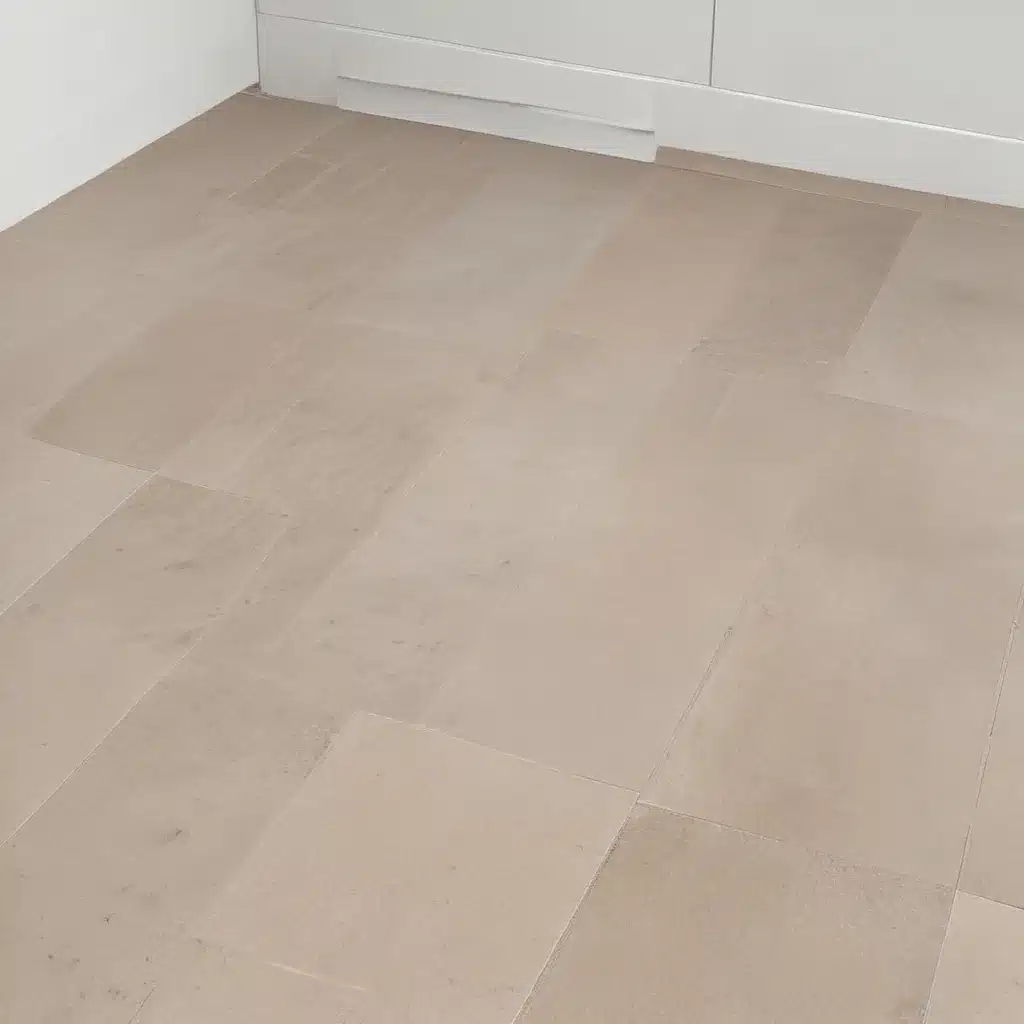
In the modern commercial and office environments of the UK, raised access flooring systems have become an increasingly popular solution for optimizing indoor air quality (IAQ). By integrating advanced air filtration technology directly into the flooring infrastructure, facility managers can significantly enhance the health and productivity of building occupants.
Raised Access Flooring and IAQ
Raised access flooring is a modular floor construction that features a series of removable floor panels supported by a network of adjustable pedestals. This elevated floor space provides a versatile utility area for housing critical building systems such as electrical, data, and HVAC distribution.
Beyond its practical benefits, the cavity between the subfloor and raised panels can serve as an effective air circulation plenum. By strategically placing high-efficiency particulate air (HEPA) filters within this plenum, the raised access flooring system can actively filter the air throughout the occupied space.
This approach offers several key advantages for improving indoor air quality:
-
Comprehensive Air Filtration: HEPA filters installed in the raised floor plenum can capture up to 99.97% of airborne particles 0.3 microns or larger, including dust, pollen, mold spores, and even certain viruses and bacteria. This level of filtration far exceeds the capabilities of standard commercial HVAC filters.
-
Optimized Air Distribution: The pressurized air plenum created by the raised floor evenly distributes the filtered air supply throughout the space, ensuring consistent IAQ levels. This eliminates stagnant zones or hot spots that can occur with traditional overhead HVAC systems.
-
Reduced Maintenance: Consolidating the air filtration system within the raised floor plenum makes filter maintenance and replacement far more accessible compared to servicing overhead HVAC components. This streamlines facility operations and lowers long-term operating costs.
-
Flexible Air Zoning: The modular nature of raised access flooring allows for granular control over airflow and filtration, enabling targeted IAQ management across different zones or occupancy patterns within a building.
By leveraging the structural design and functional benefits of raised access flooring, facility managers can create a healthier, more productive indoor environment for building occupants. This approach is particularly valuable in environments with high-performance requirements, such as healthcare facilities, technology labs, and mission-critical operations centers.
Advanced Filtration Technology
The key to the IAQ-enhancing capabilities of raised access flooring lies in the filtration systems integrated within the floor plenum. While standard HVAC filters can capture larger particulates, they often fall short in removing the smallest, most harmful airborne contaminants.
HEPA filters, on the other hand, are specifically engineered to remove the finest airborne particles. These filters utilize a densely packed, multi-layered matrix of fibers to trap even microscopic pollutants as small as 0.3 microns with an efficiency of 99.97%. This includes:
- Particulate Matter (PM): Dust, pollen, mold spores, and other microscopic solids
- Biological Contaminants: Viruses, bacteria, and other microorganisms
- Volatile Organic Compounds (VOCs): Off-gassing chemicals from building materials, furniture, and cleaning products
By strategically placing HEPA filters within the raised floor plenum, facility managers can create a comprehensive air purification system that continuously scrubs the indoor environment, delivering exceptional IAQ throughout the occupied space.
Some advanced raised access flooring systems even incorporate additional filter stages, such as carbon filters for removing odors and gaseous pollutants. This multi-stage filtration approach provides a robust defense against a wide array of indoor air contaminants.
Installation and Maintenance
Integrating a high-performance air filtration system into a raised access flooring installation requires careful planning and execution. The first step is ensuring the subfloor is properly prepared to accommodate the plenum space and filtration components.
During the installation process, technicians will need to:
- Properly level the subfloor to create a stable foundation for the raised floor pedestals.
- Strategically position the HEPA filter units within the floor plenum to optimize airflow and coverage.
- Integrate the filter monitoring and control systems with the building’s central building management system (BMS).
- Seal all joints and penetrations to maintain the integrity of the pressurized air plenum.
Ongoing maintenance of the filtration system is essential for maintaining optimal IAQ levels. This includes:
- Regularly inspecting and replacing the HEPA and any secondary filters as per the manufacturer’s recommendations.
- Ensuring the air plenum remains free of debris and obstructions that could impede airflow.
- Periodically testing filter efficiency and air quality to verify system performance.
- Integrating the filtration system with automated monitoring and maintenance alerts in the building’s BMS.
By prioritizing proper installation and diligent maintenance, facility managers can ensure their raised access flooring system continues to deliver exceptional indoor air quality throughout the building’s lifetime.
Regulatory Compliance and Certifications
When specifying a raised access flooring system with integrated air filtration, it’s crucial to ensure compliance with the relevant industry standards and building regulations. In the UK, key compliance factors include:
- Fire Safety: Raised floor panels and materials must meet stringent fire resistance ratings as per British Standard BS 476 and BSEN 13501.
- Accessibility: The system must adhere to accessibility guidelines outlined in Approved Document M of the UK Building Regulations.
- Sustainability: Raised access flooring can contribute to green building certifications such as BREEAM by reducing material usage and enabling flexible, adaptable spaces.
Leading manufacturers of raised access flooring systems with advanced filtration often obtain third-party certifications to verify their products’ performance and compliance. These may include:
- BSEN 12825: European standard for the testing and classification of raised access floor panels and their supports.
- ISO 16000: International standard for measuring volatile organic compound (VOC) emissions from building products.
- Cradle to Cradle: Certification program evaluating a product’s material health, material reutilization, renewable energy use, water stewardship, and social fairness.
By specifying a raised access flooring system that meets or exceeds these industry standards, facility managers can ensure their IAQ-enhancing solution aligns with the latest regulatory requirements and sustainable design best practices.
Balancing Cost and Performance
Integrating high-performance air filtration into a raised access flooring system does come with additional upfront costs compared to traditional overhead HVAC solutions. However, facility managers should consider the long-term operational savings and health benefits that these advanced systems can provide.
Some key factors that influence the overall cost-effectiveness of a raised access flooring air filtration system include:
- Filtration Technology: HEPA filters and other premium filtration components generally cost more than standard HVAC filters, but deliver superior performance.
- Plenum Design: Optimizing the pressurized air plenum for efficient airflow distribution can require additional engineering and installation work.
- Maintenance Requirements: Regular filter replacements and system inspections must be factored into the ongoing operating costs.
- Energy Efficiency: The improved air circulation and distribution can lead to reduced HVAC loads and energy consumption.
- Occupant Health Benefits: Improved IAQ has been shown to enhance employee productivity, reduce absenteeism, and lower healthcare costs.
By working closely with experienced raised access flooring consultants, facility managers can identify the right balance between initial investment and long-term value. This may involve carefully analyzing the specific IAQ requirements, occupancy patterns, and energy usage for their building to determine the optimal filtration strategy.
Conclusion
As concerns over indoor air quality continue to rise, the integration of advanced air filtration systems into raised access flooring has emerged as a compelling solution for facility managers across the UK. By leveraging the structural and functional advantages of this versatile flooring approach, building owners can create healthier, more productive indoor environments for their occupants.
With a focus on comprehensive particle removal, optimized air distribution, and streamlined maintenance, raised access flooring with HEPA filtration offers a powerful IAQ enhancement that aligns with the latest industry standards and sustainable design principles. By carefully weighing the upfront and ongoing costs against the substantial long-term benefits, facility managers can make informed decisions that protect the health and wellbeing of their building’s occupants.
To learn more about implementing an advanced air filtration system in your raised access flooring project, explore the resources available at raised-flooring.co.uk.Example: London Cloud Provider Expansion