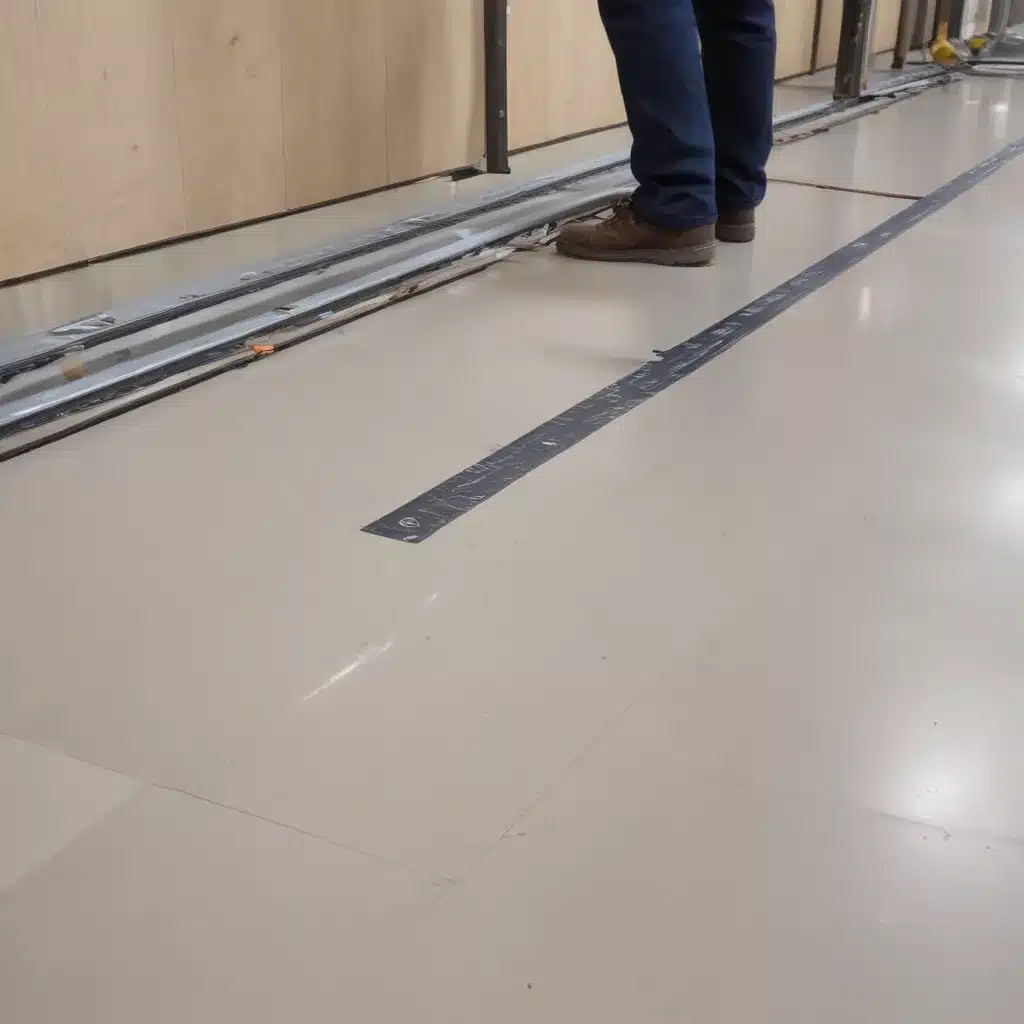
The maintenance and upkeep of raised access flooring systems are crucial considerations for organizations seeking to optimize their commercial and office environments. In an era where technology has permeated every facet of our lives, the integration of remote monitoring and diagnostics has emerged as a game-changing approach to streamlining the maintenance of these versatile flooring solutions.
Structural Considerations
Raised access flooring systems are designed to provide flexibility, adaptability, and enhanced air circulation within modern commercial spaces. However, maintaining these systems requires a deep understanding of their structural design and performance characteristics.
Load Capacity
The load-bearing capacity of raised access flooring is a critical factor, as it determines the weight that the system can safely support. Factors such as the type of floor panels, the pedestal construction, and the overall design of the system all contribute to the load-bearing capacity. Consulting with experienced raised flooring consultants and adhering to industry standards, such as the BSEN 12825, is essential to ensure the system can accommodate the expected live and static loads.
Pedestal Adjustment
The ability to adjust the height of the pedestals is a fundamental feature of raised access flooring. This adjustment capability allows for the system to be leveled and accommodate changes in the underlying floor or infrastructure. Proper maintenance of the pedestal mechanisms, including lubrication and inspection, is crucial to maintain the system’s flexibility and ensure a smooth, level surface.
Floor Panel Design
The design of the raised access flooring panels is equally important. Panels can be constructed from various materials, such as steel encapsulated, calcium sulfate, or wood core, each with its own strengths and maintenance requirements. Regularly inspecting the panels for any signs of damage, wear, or malfunctioning access mechanisms is essential to maintain the system’s integrity and safety.
Maintenance and Repair
Effective maintenance of raised access flooring systems is the key to ensuring their longevity and optimal performance. Traditional maintenance approaches often involve time-consuming and labor-intensive manual inspections, leading to disruptions and potential downtime. However, the integration of remote monitoring and diagnostics has revolutionized the way organizations approach raised flooring maintenance.
Remote Monitoring
Remote monitoring technologies enable facility managers to continuously track the performance and condition of their raised access flooring systems, even from a remote location. Sensors strategically placed within the flooring system can collect real-time data on parameters such as temperature, humidity, pedestal stability, and panel integrity. This data is then transmitted to a centralized dashboard, allowing facility managers to monitor the system’s health and identify any potential issues before they escalate.
Diagnostic Tools
Alongside remote monitoring, advanced diagnostic tools have become invaluable in the maintenance of raised access flooring. These tools can perform comprehensive assessments of the system, evaluating factors like load distribution, air flow, and structural integrity. By utilizing these diagnostic capabilities, facility managers can proactively address any concerns, schedule targeted maintenance, and minimize the need for reactive, disruptive repairs.
Preventive Maintenance
The integration of remote monitoring and diagnostics has enabled a shift towards a more proactive, preventive maintenance approach. By continuously monitoring the system’s performance and proactively addressing any emerging issues, facility managers can significantly reduce the frequency and severity of maintenance-related disruptions. This approach not only enhances the longevity of the raised access flooring system but also minimizes the impact on the day-to-day operations of the commercial or office environment.
Cable Management
Raised access flooring systems provide a valuable solution for optimizing the management of cables, telecommunications, and other essential building services. Effective cable management is crucial to maintaining the system’s functionality and adaptability.
Cable Routing
The raised floor cavity offers an efficient pathway for routing and organizing cables, enabling a clean and organized appearance within the workspace. Facility managers must ensure that cables are properly routed and secured to prevent any obstructions or tripping hazards.
Cable Trays
Cable trays integrated within the raised access flooring system can further enhance cable management by providing dedicated pathways and support. These trays simplify the organization and accessibility of cables, making maintenance and modifications more efficient.
Cable Access
The ability to easily access and service cables is a critical aspect of raised access flooring maintenance. Strategically placed access panels or removable floor tiles allow facility managers to quickly identify and address any cable-related issues without disrupting the overall workspace.
Regulatory Compliance
Raised access flooring systems are subject to various regulatory requirements and standards, which must be considered during the design, installation, and maintenance stages.
Building Codes
Adherence to local building codes and regulations is essential to ensure the structural integrity, fire safety, and accessibility of raised access flooring systems. Facility managers must stay informed about the latest updates and requirements to maintain compliance.
Fire Safety
Raised access flooring systems must meet strict fire safety standards to prevent the spread of fire and protect occupants. This includes considerations such as the use of appropriate fire-resistant materials, the incorporation of fire-rated barriers, and the maintenance of any fire-related equipment or systems.
Accessibility Standards
Accessibility is a crucial consideration in commercial and office environments. Raised access flooring systems must comply with relevant accessibility standards, such as the provision of ramps, edge treatments, and clear pathways to ensure the safety and inclusivity of all building occupants.
Benefits of Raised Access Flooring
The integration of remote monitoring and diagnostics in raised access flooring maintenance unlocks a host of benefits for organizations, ranging from enhanced flexibility to improved environmental control.
Flexibility
Raised access flooring systems inherently offer a high degree of flexibility, allowing for easy reconfiguration and adaptation to changing business needs. This flexibility is further enhanced by the ability to remotely monitor and proactively maintain the system, ensuring that the workspace can evolve seamlessly to accommodate organizational changes.
Adaptability
The adaptive nature of raised access flooring systems enables organizations to readily accommodate new technology, infrastructure updates, and operational requirements. By leveraging remote monitoring and diagnostics, facility managers can quickly identify and address any issues, ensuring that the raised flooring system remains capable of supporting the evolving needs of the workspace.
Improved Air Flow
Raised access flooring systems create a dedicated cavity between the subfloor and the finished floor, allowing for enhanced air circulation and climate control. Remote monitoring capabilities can help facility managers optimize the performance of the HVAC system, ensuring efficient temperature and humidity regulation throughout the workspace.
Installation and Implementation
Successful implementation of raised access flooring systems requires a comprehensive approach, from careful site preparation to thorough commissioning and testing.
Site Preparation
Proper site preparation is the foundation for a well-functioning raised access flooring system. This includes ensuring a level and stable subfloor, as well as addressing any existing structural or environmental factors that may impact the system’s performance.
Flooring System Integration
Integrating the raised access flooring system with the building’s existing infrastructure, such as electrical, data, and HVAC systems, is crucial. Facility managers must work closely with experienced raised flooring consultants to ensure a seamless and coordinated installation process.
Commissioning and Testing
Once the raised access flooring system is installed, a comprehensive commissioning and testing process is necessary to verify the system’s performance and compliance with industry standards. This step ensures that the system is functioning as intended and meets the specific requirements of the commercial or office environment.
Environmental Factors
Raised access flooring systems must be designed and maintained to address various environmental considerations, ensuring the long-term performance and reliability of the system.
Temperature and Humidity Control
The raised floor cavity creates a unique microclimate within the workspace, requiring careful monitoring and regulation of temperature and humidity levels. Remote monitoring capabilities can help facility managers maintain optimal environmental conditions, enhancing occupant comfort and preserving the integrity of the flooring system.
Dust and Contaminant Management
The raised floor cavity can be susceptible to the accumulation of dust, debris, and other contaminants, which can compromise the performance and longevity of the system. Proactive maintenance, including regular cleaning and filtration, is essential to maintain a clean and healthy environment.
Seismic and Structural Concerns
In regions prone to seismic activity or other structural challenges, raised access flooring systems must be designed and installed to withstand these environmental stresses. Facility managers should consult with experienced professionals to ensure the system’s structural integrity and to implement any necessary safety measures.
Emerging Trends
As the commercial and office landscape continues to evolve, the integration of innovative technologies in raised access flooring maintenance is driving exciting new developments.
Intelligent Monitoring Systems
The integration of advanced sensors, data analytics, and machine learning into raised access flooring systems is ushering in a new era of intelligent monitoring. These systems can proactively identify maintenance needs, predict potential failures, and optimize the overall performance of the flooring system, providing facility managers with unprecedented insights and control.
Sustainable Materials
Sustainability is becoming an increasingly important consideration in the design and maintenance of raised access flooring systems. The adoption of eco-friendly materials, such as recycled or renewable resources, is gaining traction, aligning with the growing emphasis on environmental responsibility in the built environment.
Modular Flooring Solutions
The concept of modular raised access flooring is emerging as a versatile and adaptable approach. These systems allow for the seamless integration of remote monitoring and diagnostics, enabling facility managers to quickly respond to changing needs and minimize disruptions during maintenance or reconfiguration.
By embracing the power of remote monitoring and diagnostics, facility managers and commercial organizations can transform the way they approach the maintenance and optimization of their raised access flooring systems. This innovative approach not only enhances the longevity and performance of the flooring but also streamlines operations, reduces maintenance-related downtime, and supports the evolving needs of modern commercial and office environments. As the industry continues to evolve, the integration of cutting-edge technologies will undoubtedly shape the future of raised access flooring maintenance, unlocking new levels of efficiency, sustainability, and adaptability.

