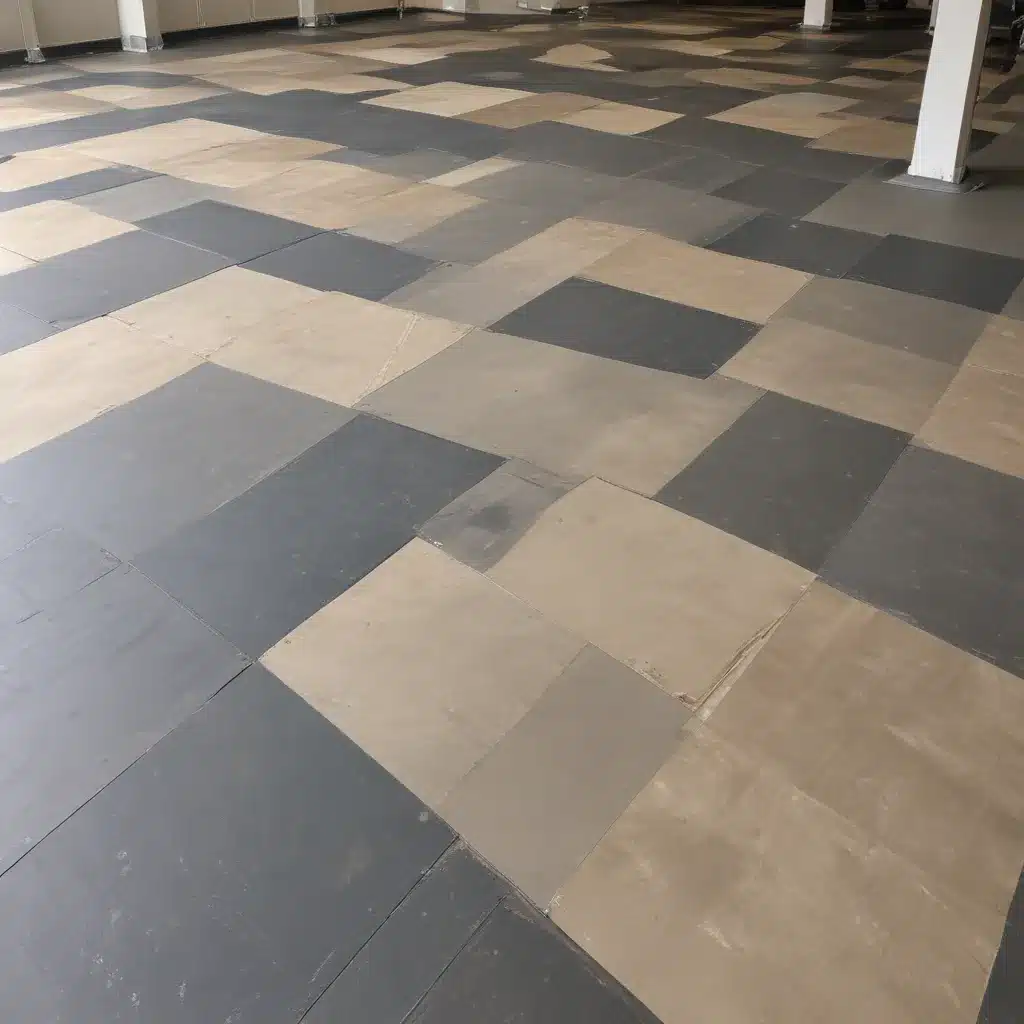
When natural disasters strike, having reliable access to stricken areas is critical for first responders and relief teams. Damaged roads and unstable ground can severely hamper rescue and recovery efforts, putting lives at risk. Fortunately, modular raised flooring systems offer a versatile solution to rapidly establish secure pathways and stable work platforms, even in the most challenging environments.
As an experienced raised flooring consultant, I’ve seen firsthand how these innovative systems can be quickly deployed to support disaster relief operations across the UK. By leveraging the durability and adaptability of composite materials, modular raised floors provide an efficient, eco-friendly alternative to traditional disaster response infrastructure. Let’s explore how these systems can be seamlessly integrated into emergency preparedness plans to strengthen the UK’s resilience in the face of unexpected crises.
Types of Modular Raised Flooring
The key to effective disaster relief is the ability to act quickly and establish a stable, dry working environment as soon as possible. Modular raised flooring systems excel in this regard, offering a range of solutions to suit various needs and site conditions.
Modular Panels: These interlocking composite panels can be rapidly installed to create temporary roadways, walkways, and work platforms. With a lightweight yet durable construction, they can support heavy vehicles and equipment while protecting sensitive terrain. Brands like MegaDeck HD+ and SignaRoad® are designed specifically for rapid deployment in disaster zones.
Monolithic Flooring: For larger-scale temporary structures like mobile hospitals or relief shelters, monolithic flooring systems offer a seamless, fast-deploying solution. Panels like OmniDeck® and Matrax® can be quickly snapped together to create clean, stable flooring over uneven or soft ground, providing a reliable base for essential equipment and operations.
Free-Access Floors: In situations where underfloor access is crucial, such as for routing cables or pipes, versatile free-access flooring systems like DuraDeck® and Matrax® LD offer a practical solution. These lightweight, easy-to-install panels can be readily lifted to accommodate on-site needs, streamlining the deployment of critical infrastructure.
Raised Floor Components and Performance
Modular raised flooring systems are engineered to withstand the rigors of disaster relief efforts, with robust components designed to provide reliable, long-lasting performance.
Pedestal Supports: The foundation of any raised floor, these adjustable pedestals ensure a level, stable surface, even on uneven or unstable ground. Their height can be quickly modified to accommodate changes in terrain or required clearance for underfloor services.
Stringers and Understructure: The grid-like network of stringers and structural elements transfers loads evenly, distributing weight across the entire system. This resilient understructure is vital for supporting the weight of heavy equipment, vehicles, and personnel during emergency response operations.
Flooring Panels: Constructed from high-density polyethylene (HDPE) or other durable composite materials, the modular flooring panels are both lightweight and exceptionally strong. They’re engineered to withstand heavy static and dynamic loads, as well as the impacts that may occur in disaster relief scenarios.
To ensure these systems can handle the demands of emergency response, manufacturers thoroughly test their products for static load capacity, dynamic load capacity, and impact resistance. This rigorous assessment helps to verify that the raised flooring will maintain its structural integrity and functionality, even under the most challenging conditions.
Rapid Deployment and Installation
Speed is of the essence when deploying disaster relief infrastructure, and modular raised flooring systems are specifically designed for fast, efficient installation.
Pedestal Adjustment and Leveling: The adjustable pedestals allow for quick leveling, even on uneven or sloping terrain. This streamlines the setup process, enabling relief teams to establish a stable, level surface in a fraction of the time required for traditional construction methods.
Cable Routing and Management: The open grid design of modular raised floors provides ample space for routing essential cables, pipes, and other services underneath the surface. This not only keeps critical infrastructure organized and protected but also simplifies the deployment of power, communications, and other utilities necessary for relief operations.
Tool-Less Assembly: Many modular raised flooring systems, such as HexaDeck®, feature intuitive, tool-less installation that further accelerates the deployment process. This allows relief teams to quickly create stable work platforms or temporary access routes without the need for specialized equipment or extensive training.
Ensuring Compliance and Sustainability
When integrating modular raised flooring into disaster relief efforts, it’s essential to ensure compliance with relevant building codes, fire safety regulations, and accessibility guidelines. Manufacturers of these systems often work closely with industry bodies to develop solutions that meet or exceed the necessary standards, giving relief organizations confidence in their use.
Sustainability is also a key consideration, as the environmental impact of disaster response operations must be carefully managed. Modular raised flooring systems are typically made from recycled materials, such as HDPE, and are designed to be reusable, reducing waste and minimizing the carbon footprint of relief efforts.
Versatile Applications in Disaster Response
Modular raised flooring systems can be deployed in a wide range of disaster relief scenarios, providing critical support for various emergency response operations.
Temporary Roadways and Accessways: When roads are damaged or impassable, modular composite mats like MegaDeck HD+ can quickly establish secure pathways for rescue vehicles, delivery trucks, and other essential transport, allowing relief efforts to reach affected areas more efficiently.
Temporary Shelter and Medical Facilities: For the rapid deployment of mobile hospitals, emergency shelters, or other temporary structures, monolithic flooring systems like OmniDeck® and Matrax® provide a sturdy, easy-to-install foundation, ensuring a clean, dry, and level working environment.
Staging and Work Platforms: Free-access flooring solutions, such as DuraDeck® and Matrax® LD, can be used to create stable, elevated work platforms for the staging of equipment, materials, and relief supplies, keeping them organized and protected from the elements.
Ensuring Long-Term Accessibility and Maintenance
Disaster relief efforts often require extended deployments, so the accessibility and maintainability of modular raised flooring systems are crucial considerations.
Panel Removal and Replacement: The modular design of these flooring systems allows for easy panel removal and replacement, enabling relief teams to quickly address any damage or reconfigure the layout to meet changing needs throughout the duration of the response.
Underfloor Access: The open grid structure and adjustable pedestals of modular raised floors provide ample space for accessing the underfloor area, simplifying the routing and management of cables, pipes, and other critical infrastructure.
Cleaning and Upkeep: Modular raised flooring panels are typically made from non-porous, easy-to-clean materials, facilitating regular maintenance and ensuring a hygienic, sanitary environment for disaster relief operations.
By prioritizing accessibility, maintainability, and sustainability, modular raised flooring systems can continue to provide reliable support throughout the entire disaster response lifecycle, from the initial emergency phase to long-term recovery efforts.
Conclusion
When disaster strikes, having the right infrastructure in place can make all the difference in the success of relief efforts. Modular raised flooring systems offer a versatile, rapidly deployable solution that can help strengthen the UK’s resilience in the face of unexpected crises.
By leveraging the durability, adaptability, and ease of installation of these innovative systems, disaster response teams can quickly establish stable, secure pathways and work platforms, even in the most challenging environments. With a focus on compliance, sustainability, and long-term accessibility, modular raised flooring represents a cutting-edge approach to bolstering the UK’s emergency preparedness and supporting those in need during times of crisis.
As an experienced raised flooring consultant, I’m confident that the integration of these systems into disaster response plans will have a transformative impact, empowering first responders and relief organizations to act swiftly, efficiently, and effectively when it matters most. To learn more about how modular raised flooring can enhance your disaster preparedness efforts, please visit Raised Flooring UK.

