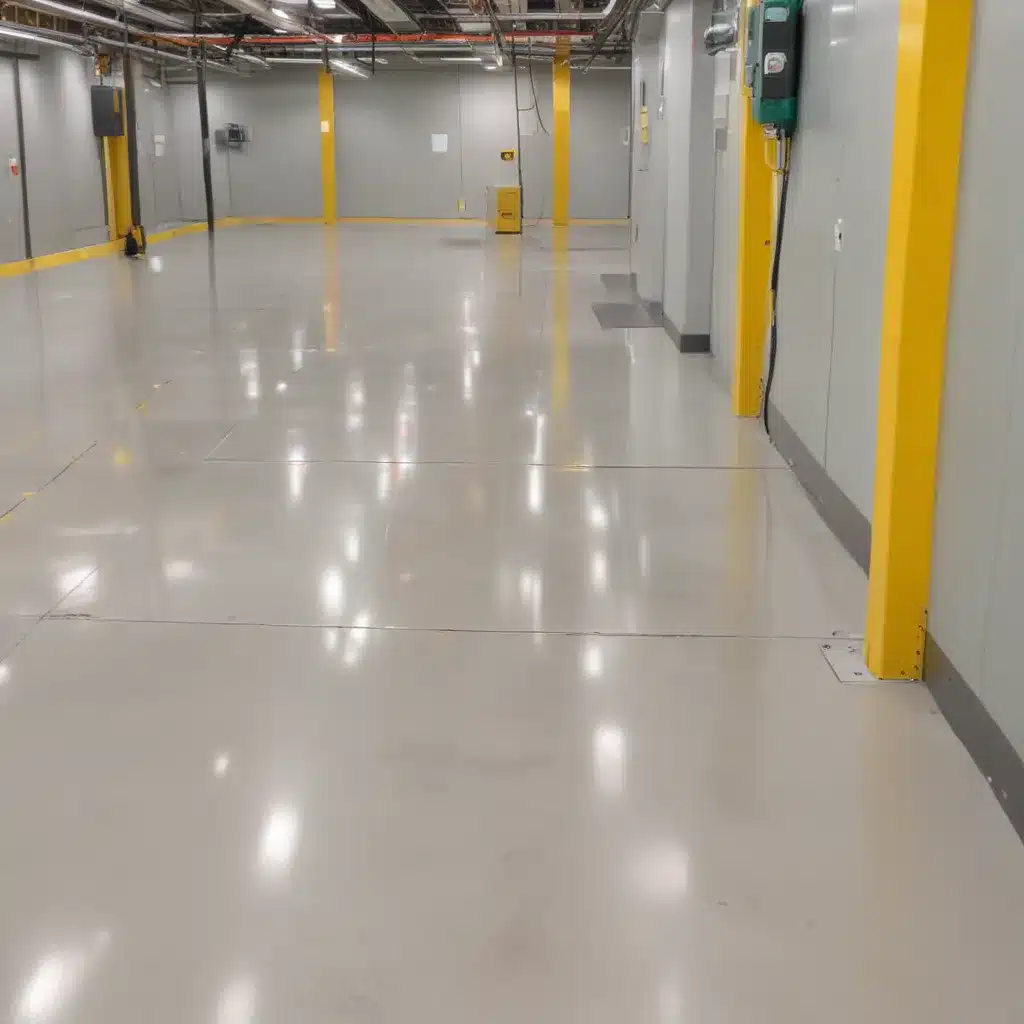
Maintenance Protocols for Ensuring Optimal Electrical Safety of Raised Access Floors
Raised access flooring systems have become ubiquitous in modern commercial and office environments across the UK, enabling flexible cable management and seamless integration of critical electrical, data, and HVAC infrastructure. However, maintaining the electrical safety and long-term reliability of these raised floor solutions requires a diligent, multi-faceted approach. As an experienced raised flooring consultant, I’ll guide you through the essential maintenance protocols to ensure your access floors remain safe, compliant, and optimized for your evolving business needs.
Structural Integrity
The foundation of electrical safety in raised access flooring starts with a sturdy, well-maintained structural framework. Let’s explore the key considerations for preserving the structural integrity of your access floor system.
Load Capacity
The load-bearing capacity of your raised floor is critical for supporting heavy equipment, foot traffic, and concentrated loads without compromising safety. Regularly inspect the pedestals, stringers, and panels to ensure they meet the specified load ratings, often defined by standards like BSEN 12825. If you identify any structural degradation or exceedance of design loads, promptly address these issues to prevent potential collapse or instability.
Pedestal Adjustment
Proper pedestal adjustment is essential for maintaining a level, stable surface across your access floor. Over time, shifts in the underlying subfloor or other environmental factors can cause unevenness. Routinely check the pedestal heights and make adjustments as needed to avoid tripping hazards and uneven load distribution, which could lead to electrical safety risks.
Structural Modifications
If you plan to make any structural modifications to your raised access floor, such as cutting or replacing panels, ensure these changes are carried out by experienced professionals. Improper alterations can compromise the system’s load-bearing capacity and create potential weak points, undermining the overall electrical safety.
Electrical Safety
Electrical safety is paramount when maintaining raised access flooring systems. Effective cable management, electrostatic discharge (ESD) protection, and regulatory compliance are crucial considerations.
Cable Management
Proper cable routing and organization are essential for mitigating electrical risks. Regularly inspect your access floor’s cable distribution channels, ensuring cables are securely fastened and not exposed to potential damage. Implement cable segregation practices to separate power, data, and communication cables, reducing the risk of interference or short circuits.
Electrostatic Discharge (ESD) Protection
Raised access floors can be susceptible to the buildup of static electricity, which can pose a threat to sensitive electronic equipment. Incorporate ESD-compliant materials, such as conductive or anti-static flooring panels, and ensure proper grounding of the access floor system. Periodic testing of the system’s electrical resistance can help identify and address any ESD-related issues.
Regulatory Compliance
Maintain compliance with relevant electrical safety standards, such as the PSA and BSEN 12825, to ensure your raised access flooring system meets or exceeds industry requirements. Engage with a qualified access flooring specialist to stay informed of any regulatory updates and implement necessary modifications to your system.
Preventive Maintenance
Proactive maintenance is the key to preserving the electrical safety and long-term reliability of your raised access flooring. Regular inspections, cleaning, and corrosion prevention are essential components of this approach.
Routine Inspections
Schedule periodic inspections of your access floor system, focusing on the structural integrity, cable management, and electrical safety-related components. Identify and address any issues, such as loose connections, damaged panels, or signs of wear and tear, to prevent potential hazards.
Cleaning and Debris Removal
Accumulated dust, debris, and spillages within the access floor cavity can compromise airflow, interfere with cable management, and create fire risks. Implement a regular cleaning regimen to remove any foreign materials, ensuring the system remains clear and unobstructed.
Corrosion Prevention
In environments with high humidity or exposure to moisture, proactively address the risk of corrosion on metal components like pedestals and fasteners. Utilize corrosion-resistant materials and regularly inspect for signs of oxidation, treating affected areas to prevent degradation and potential electrical safety issues.
Environmental Considerations
The surrounding environmental conditions can significantly impact the electrical safety and performance of your raised access flooring system. Carefully manage factors such as temperature, humidity, airflow, and external forces to optimize your solution.
Temperature and Humidity Control
Extreme temperatures and excessive humidity can adversely affect the materials, components, and cabling within your access floor system. Ensure your HVAC system maintains the appropriate environmental conditions to prevent issues like cable insulation degradation or panel warping.
Airflow Management
Proper airflow through the access floor cavity is crucial for effective heat dissipation and the prevention of airborne contaminants. Regularly inspect and clean the underfloor void to maintain unobstructed airflow, which can help mitigate fire risks and extend the lifespan of your electrical infrastructure.
Seismic and Wind Load Resilience
In regions prone to seismic activity or high winds, your raised access floor system must be designed and installed to withstand the associated forces. Consult with a structural engineer to ensure your access floor can safely resist lateral loads and maintain electrical safety during extreme weather events.
Troubleshooting and Repair
Despite your best efforts, issues may still arise within your raised access flooring system. Proactive troubleshooting and a well-planned repair strategy are essential for restoring electrical safety and optimal performance.
Identifying Issues
Routinely inspect your access floor system for any signs of problems, such as uneven surfaces, loose connections, or malfunctioning components. Employ a systematic troubleshooting approach, isolating and diagnosing the root causes to develop an effective repair plan.
Component Replacement
When addressing issues, be prepared to replace worn or damaged components, such as pedestals, panels, or cable trays. Ensure any replacement parts are compatible with your existing system and meet the necessary performance and safety standards.
Lifecycle Management
Effective lifecycle management is crucial for maintaining the long-term electrical safety and reliability of your raised access flooring. Plan for periodic upgrades, strategic component replacements, and end-of-life replacements to prevent unexpected failures and ensure your system continues to meet your evolving business requirements.
Planned Upgrades
As technology and regulations evolve, plan for strategic upgrades to your access floor system, such as incorporating new cable management solutions or adapting to changes in electrical infrastructure. Proactively address these changes to maintain optimal electrical safety and performance.
End-of-Life Replacement
Eventually, your raised access flooring system will reach the end of its useful life. Develop a replacement plan that considers the latest industry advancements, energy-efficiency requirements, and emerging electrical safety standards. Engage with a reputable raised flooring specialist to ensure a seamless transition to a new, state-of-the-art access floor solution.
Documentation and Recordkeeping
Maintain comprehensive documentation of your raised access flooring system, including installation details, maintenance records, and any modifications or repairs. This information will prove invaluable when troubleshooting issues, planning upgrades, or transitioning to a new access floor system, helping to preserve electrical safety throughout the lifecycle of your facility.
By diligently implementing these maintenance protocols, you can ensure the electrical safety and long-term reliability of your raised access flooring system. For more information or to explore how Raised Flooring UK can support your access floor needs, please visit http://raised-flooring.co.uk/.Statistic: 40% faster cooling with optimized floor layouts

