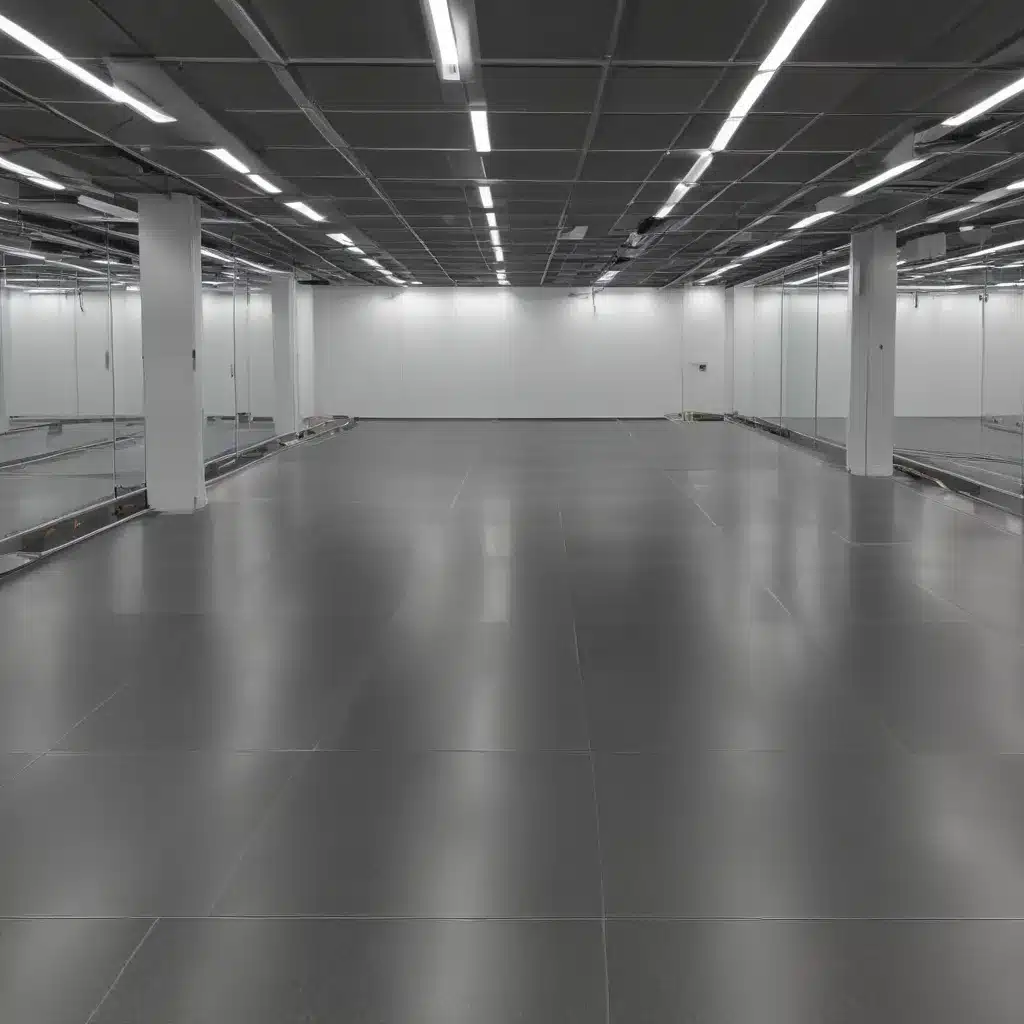
As an experienced raised flooring consultant with Raised Flooring UK, I’ve had the privilege of working closely with data centre operators across the country. One of the most pressing challenges they face is managing the ever-increasing thermal load from high-density IT equipment. Effective cooling and airflow management are critical to ensuring the long-term reliability and efficiency of these mission-critical facilities.
Raised Access Flooring: The Foundation for Thermal Control
Raised access flooring systems form the foundation for effective thermal management in modern data centres. These versatile platforms not only provide vital cable management capabilities but also enable precise airflow distribution to cool IT equipment. However, the specific design, installation, and maintenance of these systems can make or break a data centre’s thermal performance.
Structural Considerations
Load Capacity
When designing raised floors for data centres, it’s essential to carefully assess the anticipated load requirements. Servers, storage arrays, and other IT hardware can impose significant concentrated loads on the access floor system. Compliance with BSEN 12825 standards is a must, ensuring the floor can withstand the expected static and dynamic loads without compromising structural integrity.
Pedestal Adjustment
Another critical factor is the ability to precisely adjust the height of the access floor pedestals. This allows the system to accommodate uneven sub-floors and provide the necessary void space for optimal airflow distribution. Pedestals with a wide range of adjustment – typically 20-50mm – give data centre managers the flexibility to fine-tune the plenum height to match cooling requirements.
Panel Design
The raised floor panels themselves play a crucial role in thermal management. Steel encapsulated panels, which feature a high-density core material encased in a protective steel shell, offer superior strength, rigidity, and thermal performance compared to alternative designs. Their low thermal conductivity helps minimise unwanted heat transfer from the plenum to the occupied space above.
Thermal Management Strategies
Ventilation Strategies
Effective air delivery is the cornerstone of data centre cooling. Raised access floors facilitate the use of underfloor air distribution (UFAD), where conditioned air is supplied through strategically placed floor grilles or perforated tiles. This approach allows cool air to be precisely directed to IT equipment intakes, maximising cooling efficiency.
Cooling System Integration
Integrating the raised floor system with the data centre’s cooling infrastructure is crucial. For chilled water-based cooling, ensuring compatibility between the floor design and CRAH (computer room air handler) unit placement is essential. For DX (direct expansion) systems, the raised floor must be capable of handling the high air velocities and pressures required.
Airflow Optimization
Optimising airflow within the raised floor plenum is a delicate balance. Factors such as pedestal height, floor panel perforation patterns, and cable management all influence the distribution and velocity of cooling air. Computational fluid dynamics (CFD) modelling and on-site airflow testing are invaluable in identifying and addressing hotspots or areas of uneven cooling.
Deployment Challenges and Maintenance Considerations
Site Preparation
Preparing the site for raised floor installation is a critical first step. Ensuring a level, stable sub-floor is essential to avoid uneven loading and potential floor deformation over time. Proper moisture control and vapour barrier application are also necessary to prevent corrosion and maintain structural integrity.
Installation Processes
Meticulous installation techniques are paramount for raised access flooring systems. Pedestal placement, panel alignment, and perimeter sealing all require skilled technicians to ensure the system meets design specifications and functions as intended. Robust quality control measures during the installation phase can prevent costly rework and performance issues down the line.
Maintenance and Lifecycle
Maintaining raised access flooring systems is an ongoing responsibility for data centre operators. Regular inspections, cleaning, and prompt repair of any damage or wear-and-tear are crucial to preserving the system’s thermal and structural performance throughout its lifecycle. Adhering to best practices for panel replacement, pedestal adjustment, and cable management can extend the useful life of the raised floor infrastructure.
Demonstrating Performance and Compliance
Thermal Efficiency
Quantifying the thermal efficiency of a raised access flooring system is essential for data centre operators. Key metrics such as supply air temperature, pressure drop, and airflow distribution should be regularly monitored and optimised to ensure the system is delivering the required cooling capacity.
Accessibility and Flexibility
In addition to thermal management, raised floors must also facilitate easy access to the underfloor plenum for maintenance, upgrades, and cable management. Modular panel designs and tool-less installation techniques enable data centre staff to quickly respond to changing IT equipment configurations or cooling demands.
Long-Term Reliability
Ensuring the long-term reliability of raised access flooring systems is critical for data centre operators. Factors such as panel load-bearing capacity, fire safety compliance, and environmental sustainability must be carefully considered to safeguard the integrity of the entire facility over its operational lifespan.
Emerging Innovations in Raised Flooring
Intelligent Monitoring Systems
The rise of Internet of Things (IoT) technologies has enabled the development of intelligent monitoring systems for raised access flooring. These solutions can continuously track key performance indicators, such as airflow, temperature, and pressure, allowing data centre managers to proactively identify and address any issues before they escalate.
Adaptive Cooling Technologies
Innovative cooling technologies, such as variable-speed fans and dynamic air-flow control, are being integrated with raised access flooring systems to enhance thermal management capabilities. These adaptive solutions can automatically adjust airflow delivery in response to changing IT equipment loads, improving energy efficiency and reducing the risk of hot spots.
Modular Flooring Solutions
The growing need for rapid deployment and easy reconfiguration of data centres has driven the development of modular raised flooring systems. These prefabricated, plug-and-play platforms can significantly streamline the installation process and provide greater flexibility for future expansions or layout changes.
Optimising Raised Flooring for UK Data Centres
By addressing the structural, thermal, and operational considerations of raised access flooring, data centre operators in the UK can overcome the challenges of high-density IT equipment and maintain optimal performance. Through the integration of innovative technologies, rigorous maintenance protocols, and a holistic approach to system design, raised flooring can serve as the foundation for efficient, reliable, and future-ready data centre infrastructure.
To learn more about how Raised Flooring UK can help you with your data centre projects, please visit our website at http://raised-flooring.co.uk/. Our team of experts is here to guide you through every aspect of raised floor system selection, installation, and long-term management.

