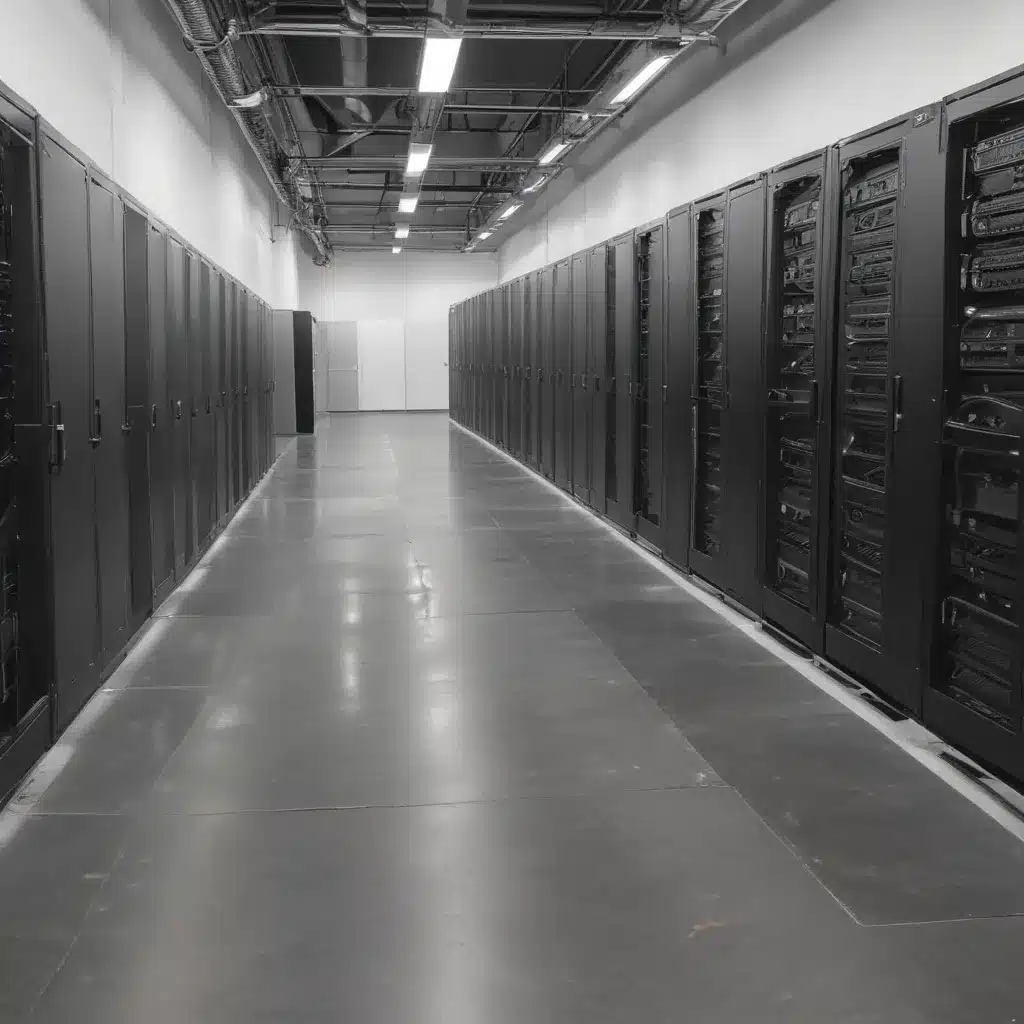
As an experienced raised flooring consultant with a deep understanding of the unique requirements of the UK data centre industry, I’ve witnessed firsthand the critical importance of effective thermal management for these mission-critical facilities. In this comprehensive article, we’ll explore innovative strategies for mitigating thermal challenges and achieving energy-efficient cooling within raised access flooring systems.
Structural Considerations
The foundation of any successful data centre flooring solution lies in its structural integrity. Load capacity, pedestal adjustment, and subfloor design are all key factors that must be carefully considered.
Load Capacity: Data centre equipment can be incredibly heavy, with server racks, cooling units, and other essential hardware weighing several tons. Raised access flooring systems must be engineered to safely support these substantial loads, often requiring higher than typical load ratings. Choosing the right panel type and pedestal configuration is crucial to ensure the structural stability of the system.
Pedestal Adjustment: The ability to precisely adjust the height of the access floor pedestals is a valuable feature, especially in data centres where equipment layout and cabling requirements can be highly customized. This flexibility allows for the creation of an optimal subfloor plenum for effective airflow and thermal distribution.
Subfloor Design: The subfloor space beneath the raised access flooring acts as a critical air distribution chamber. Its design, including the size, shape, and placement of air supply vents, can have a significant impact on the overall cooling efficiency of the data centre.
Thermal Management
Efficient thermal management is the backbone of any data centre operation. Raised access flooring systems play a vital role in facilitating effective air circulation, underfloor cooling, and ventilation strategies.
Air Circulation: The subfloor plenum created by the raised access flooring acts as a large air distribution chamber, allowing for the controlled delivery of cooled air to the equipment above. Optimizing the airflow patterns and maintaining proper pressure differentials is essential for ensuring that hot spots are effectively mitigated.
Underfloor Cooling: Many data centres utilize underfloor cooling systems, with chilled water or direct expansion (DX) cooling coils positioned within the subfloor plenum. The raised access flooring provides an ideal platform for integrating these cooling systems, enabling efficient heat removal from the equipment.
Ventilation Strategies: Effective ventilation is crucial for maintaining the optimal temperature and humidity levels within the data centre. Raised access flooring systems can be designed to incorporate various ventilation strategies, such as strategically placed air supply and return vents, to ensure efficient air exchange and prevent hot air stagnation.
Cable Management
Proper cable management is a critical aspect of data centre operations, and raised access flooring systems offer a versatile solution for cable routing, cable tray systems, and cable pathways.
Cable Routing: The subfloor plenum created by the raised access flooring provides an extensive network of pathways for organizing and routing power, data, and communication cables. This approach helps to maintain a clean, organized, and accessible cabling infrastructure.
Cable Tray Systems: Raised access flooring systems can be integrated with specialized cable tray systems that run beneath the floor, allowing for the efficient and secure management of cable bundles. These tray systems can be customized to meet the specific requirements of each data centre.
Cable Pathways: The adjustable nature of raised access flooring enables the creation of dedicated cable pathways, ensuring that critical data and power cables are segregated and protected from potential interference or damage.
Regulatory Compliance
Data centres must adhere to a range of building codes, fire safety regulations, and accessibility requirements to ensure the safety and reliability of their operations. Raised access flooring systems can be designed and installed to meet these stringent requirements.
Building Codes: In the UK, data centres must comply with various building codes, such as the Building Regulations and the EN 12825 standard for raised access floors. Raised access flooring systems can be engineered to meet the structural, fire, and safety requirements outlined in these regulations.
Fire Safety: Data centres face unique fire safety challenges due to the high concentration of electronic equipment and the potential for rapid fire propagation. Raised access flooring systems can be designed and installed with fire-resistant materials and integrated fire suppression systems to mitigate these risks.
Accessibility Requirements: Raised access flooring systems must also comply with accessibility guidelines, ensuring that the underfloor space can be easily accessed for maintenance, upgrades, and emergency response purposes.
Energy-Efficient Cooling Strategies
Reducing energy consumption and carbon footprint is a growing priority for data centre operators. Raised access flooring systems can be leveraged to implement a range of passive cooling techniques and active cooling systems, all while incorporating monitoring and control mechanisms for optimized performance.
Passive Cooling Techniques
Airflow Optimization: The subfloor plenum created by raised access flooring can be designed to optimize airflow patterns, ensuring efficient distribution of cooled air and minimizing hot spots.
Thermal Insulation: Raised access flooring systems can incorporate insulation materials within the subfloor cavity, reducing heat transfer from the equipment above and improving the overall thermal efficiency of the data centre.
Humidity Control: Maintaining proper humidity levels is essential for data centre operations. Raised access flooring systems can be integrated with humidity control mechanisms, such as air dehumidifiers or evaporative cooling systems, to maintain the optimal environmental conditions.
Active Cooling Systems
Chilled Water Systems: Many data centres employ chilled water cooling systems, with the raised access flooring providing an ideal platform for integrating chilled water pipes and cooling coils within the subfloor plenum.
Direct Expansion (DX) Cooling: Alternatively, data centres may utilize direct expansion (DX) cooling systems, which can also be seamlessly integrated into raised access flooring designs, leveraging the subfloor space for efficient heat removal.
Evaporative Cooling: Evaporative cooling systems can be an energy-efficient option for data centres located in arid or temperate climates. Raised access flooring can accommodate the necessary ducting and water distribution components for these cooling systems.
Monitoring and Control
Temperature Sensors: Strategically placed temperature sensors within the raised access flooring subfloor can provide real-time data on the thermal conditions, enabling the monitoring and optimization of the cooling system’s performance.
Airflow Monitoring: Similarly, airflow sensors integrated into the raised access flooring system can provide valuable feedback on the efficiency of the air distribution, allowing for fine-tuning and adjustments.
Intelligent Control Systems: Advanced control systems can be integrated with raised access flooring to automate and optimize the data centre’s cooling operations, responding to changing environmental conditions and equipment loads to maintain optimal efficiency.
Lifecycle Management
Successful data centre operations require careful attention to the installation and commissioning of the raised access flooring system, as well as ongoing maintenance and optimization efforts.
Installation and Commissioning
Site Preparation: Proper site preparation, including the assessment of the subfloor and the installation of necessary infrastructure, is crucial for ensuring a smooth and efficient raised access flooring deployment.
Flooring System Integration: The integration of the raised access flooring system with the data centre’s cooling, power, and cable management systems must be meticulously planned and executed to achieve a seamless and fully functional solution.
Commissioning Procedures: Rigorous commissioning protocols, including airflow testing, thermal mapping, and load capacity verification, are essential for validating the performance and safety of the installed raised access flooring system.
Maintenance and Optimization
Preventive Maintenance: Regular preventive maintenance, such as panel cleaning, pedestal adjustment, and system inspections, helps to maintain the optimal performance and longevity of the raised access flooring system.
Performance Monitoring: Continuous monitoring of the raised access flooring system’s performance, including energy consumption, airflow patterns, and temperature distribution, can identify opportunities for optimization and efficiency improvements.
Upgrade Opportunities: As data centre requirements and technologies evolve, the modular and adjustable nature of raised access flooring systems allows for seamless upgrades, such as the integration of new cooling systems or the expansion of cable management capabilities.
Sustainability and Environmental Impact
Data centres have a significant environmental footprint, and raised access flooring systems can play a crucial role in improving energy efficiency, integrating renewable energy, and minimizing the overall carbon impact of these facilities.
Energy Efficiency
Power Usage Effectiveness (PUE): By optimizing the thermal management and airflow within the data centre, raised access flooring systems can contribute to a lower Power Usage Effectiveness (PUE), a key metric for assessing the energy efficiency of data centre operations.
Renewable Energy Integration: Raised access flooring systems can be designed to accommodate the integration of on-site renewable energy sources, such as solar photovoltaic panels or geothermal systems, further reducing the data centre’s reliance on grid-supplied electricity.
Waste Heat Utilization: The heat generated by data centre equipment can be captured and repurposed, with raised access flooring systems providing a flexible platform for the integration of waste heat recovery systems.
Environmental Considerations
Carbon Footprint Reduction: By enhancing energy efficiency, integrating renewable energy, and enabling waste heat utilization, raised access flooring systems can help data centre operators significantly reduce their carbon footprint and contribute to broader sustainability goals.
Recyclable Materials: When selecting raised access flooring components, prioritizing the use of recyclable materials, such as steel or aluminium, can further improve the environmental impact of the data centre’s infrastructure.
Circular Economy Principles: Embracing circular economy principles in the design, installation, and maintenance of raised access flooring systems can extend the lifespan of these critical data centre components and minimize waste generation.
As an experienced raised flooring consultant, I can confidently state that the strategic integration of raised access flooring systems within UK data centres can play a pivotal role in mitigating thermal challenges and driving energy-efficient cooling. By carefully considering the structural, thermal, and regulatory requirements, as well as implementing innovative cooling strategies and adopting sustainable practices, data centre operators can optimize their operations, reduce their environmental impact, and ensure the long-term reliability and resilience of their mission-critical facilities.
To learn more about how raised access flooring can benefit your data centre, please visit raised-flooring.co.uk.

