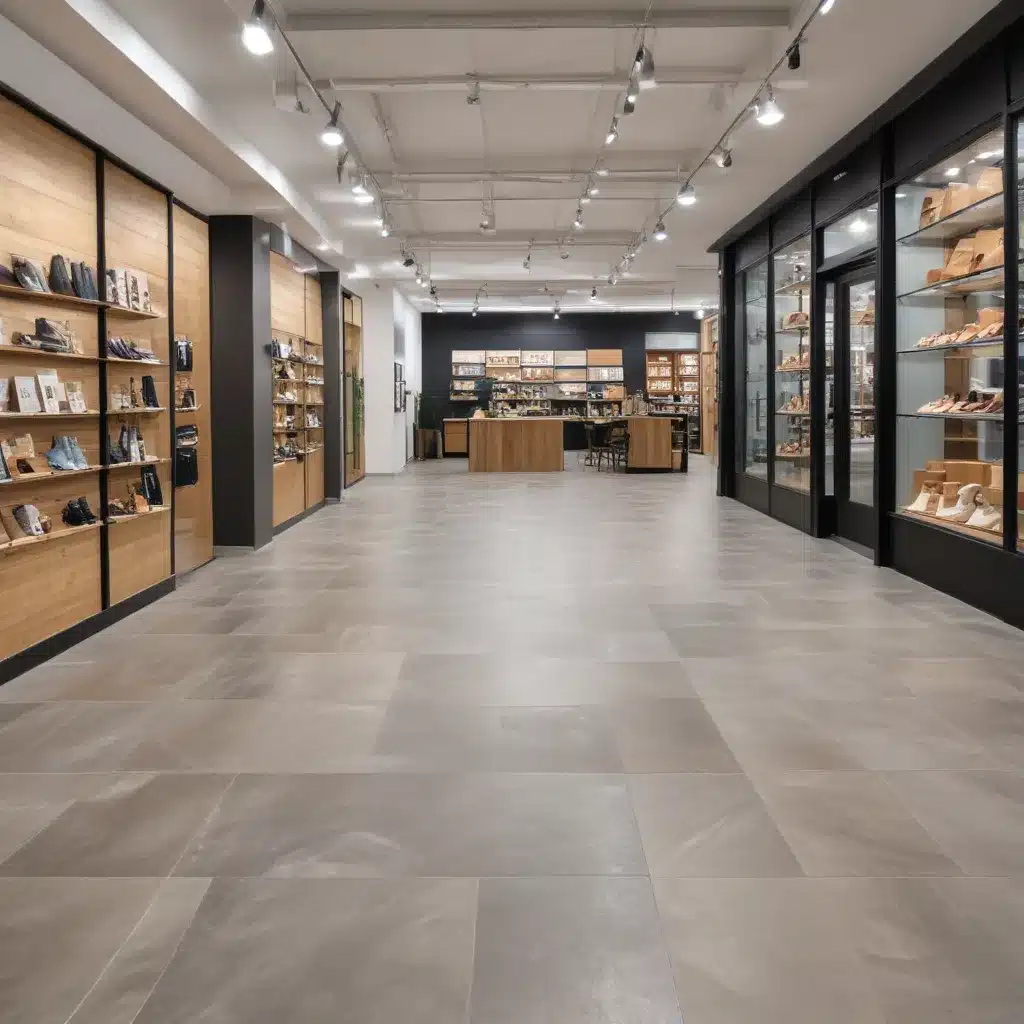
Raised Flooring Finishes: Balancing Aesthetics, Functionality, and Sustainability for UK Retail Spaces
As an experienced raised flooring consultant, I’ve had the privilege of working with businesses across the UK to enhance their commercial and retail spaces. One of the key aspects I often advise on is the selection of raised flooring finishes. These seemingly small details can have a profound impact on the overall customer experience and brand identity.
In the dynamic world of UK retail, striking the right balance between aesthetics, functionality, and sustainability is crucial. Raised access flooring systems offer a versatile foundation that can be customized to reflect a brand’s unique personality while also meeting the practical demands of the space. Let’s delve into the nuances of raised flooring finishes and explore how they can elevate retail environments.
Aesthetic Considerations
The first and most visible aspect of raised flooring finishes is their aesthetic appeal. Retail spaces thrive on creating memorable, visually engaging environments that captivate customers and reinforce brand identity. Thoughtfully chosen raised flooring finishes can play a crucial role in achieving this goal.
Flooring Finishes
One of the primary decisions involves selecting the right flooring finish. From sleek, high-gloss tiles to warm, natural-looking wood laminates, the options are vast. Each finish carries its own unique character, influencing the overall ambiance of the space. For example, a minimalist fashion boutique might opt for a clean, monochromatic tile finish, while a rustic home decor store could showcase the timeless beauty of a timber-inspired surface.
Customization Options
Beyond standard finishes, the real magic lies in the ability to customize raised flooring to suit the brand’s aesthetic. Innovative manufacturers like Raised Flooring UK offer a wide range of custom color, pattern, and texture options, allowing retailers to seamlessly integrate their brand identity into the very foundation of the space.
Blending with Interior Design
Successful retail environments are those where the raised flooring blends seamlessly with the overall interior design. By carefully coordinating the flooring finishes with wall treatments, furnishings, and other design elements, retailers can create a cohesive, visually striking environment that captivates customers from the moment they step into the space.
Functional Requirements
While aesthetics are undoubtedly essential, retail spaces also demand functional performance from their raised flooring systems. After all, the floor is the foundation upon which the entire customer experience is built.
Load Capacity
One of the key functional considerations is the load-bearing capacity of the raised flooring. Retail environments often need to accommodate heavy foot traffic, movable displays, and even the occasional forklift or pallet truck. Ensuring the flooring can withstand these loads is crucial for maintaining safety and preventing costly damage.
Accessibility
Accessibility is another vital functional requirement, particularly in the retail sector. Raised flooring systems must be designed to accommodate the needs of all customers, including those with mobility challenges. Compliance with regulations like the Equality Act 2010 and the Building Regulations 2010 is essential.
Adaptability
The ability to adapt and reconfigure the raised flooring is also a significant advantage in retail environments. As store layouts and product displays evolve, the flooring should allow for easy modifications to keep pace with changing needs. Modular, interchangeable panels can simplify this process.
Sustainability Factors
In today’s climate-conscious world, sustainability has become a vital consideration for businesses of all kinds, including retailers. Raised flooring finishes offer opportunities to minimize environmental impact while also ensuring long-term performance.
Environmental Impact
When selecting raised flooring finishes, it’s crucial to consider the environmental impact of the materials used. This includes factors like embodied carbon, recyclability, and the use of renewable resources. Working with manufacturers committed to sustainable practices can help retailers make informed, eco-friendly choices.
Recycled Materials
Some raised flooring systems incorporate recycled materials in their construction, reducing waste and promoting a more circular economy. This not only aligns with sustainability goals but can also be a powerful marketing tool to showcase a brand’s environmental commitment.
Maintenance and Longevity
The longevity and ease of maintenance associated with raised flooring finishes are also important sustainability factors. Durable, low-maintenance materials can minimize the need for frequent replacements or refurbishments, ultimately reducing the overall environmental impact of the space.
Installation and Construction
The successful integration of raised flooring finishes into a retail environment also depends on the installation and construction process. Careful planning and attention to detail are essential to ensure a seamless, functional, and visually appealing outcome.
Pedestal Adjustment
One critical aspect of installation is the pedestal adjustment process. Ensuring the raised floor is level, stable, and able to accommodate any unevenness in the subfloor is crucial for both aesthetic and practical reasons.
Subfloor Preparation
Proper subfloor preparation is another essential step. Ensuring the underlying surface is clean, smooth, and free of debris can significantly impact the installation’s success and the long-term performance of the raised flooring.
Lateral Bracing
Incorporating lateral bracing into the raised flooring system is also important, particularly in retail environments that may experience higher levels of foot traffic or activity. This additional structural support helps maintain the integrity and stability of the floor over time.
Regulatory Compliance
In the UK, raised access flooring systems are subject to a range of regulatory requirements that must be carefully considered during the design and installation process.
Building Codes
Compliance with relevant building codes, such as the Building Regulations 2010, is essential to ensure the safety and functionality of the raised flooring system. This includes adherence to standards for load-bearing capacity, fire safety, and accessibility.
Fire Safety
Fire safety is a critical concern, and raised flooring systems must meet the appropriate fire resistance standards, as outlined in Approved Document B of the Building Regulations. Careful selection of materials and construction methods can help achieve the necessary fire safety ratings.
Accessibility Standards
Accessibility is a paramount consideration in retail environments. Raised flooring systems must comply with the Equality Act 2010 and other relevant accessibility standards, ensuring that all customers, regardless of their physical abilities, can move through the space safely and comfortably.
Cable and Service Integration
In today’s digital-centric retail landscape, the seamless integration of cable management and underfloor services is a crucial consideration when selecting raised flooring finishes.
Cable Management
Raised flooring systems offer the unique advantage of concealing and organizing cables, power lines, and data connections within the accessible underfloor space. This not only enhances the visual appeal of the space but also simplifies maintenance and future upgrades.
Underfloor Services
Beyond just cables, the underfloor space can also accommodate a range of other building services, such as HVAC systems, plumbing, and even sprinkler networks. Careful planning and coordination with the raised flooring design can ensure these essential services are integrated efficiently and unobtrusively.
Power and Data Distribution
The flexibility of raised flooring also allows for strategic power and data distribution throughout the retail space. Strategically placed access panels and floor outlets can provide customers and staff with convenient access to power and data connections, enhancing the overall functionality of the environment.
Retail Sector Applications
The versatility of raised flooring finishes makes them a popular choice for UK retail spaces, where creating a memorable customer experience and reinforcing brand identity are paramount.
Customer Experience
Thoughtfully designed raised flooring can contribute significantly to the overall customer experience. By setting the tone for the space and guiding customer flow, the flooring finishes play a crucial role in shaping the desired ambiance and facilitating an enjoyable shopping journey.
Brand Identity
Aligning the raised flooring finishes with a brand’s unique identity is a powerful way to strengthen the brand’s presence and leave a lasting impression on customers. Whether it’s a high-end fashion boutique or a modern home furnishings store, the flooring can be customized to reflect the brand’s aesthetic and values.
Flexible Layouts
The adaptability of raised flooring systems is particularly beneficial in the retail sector, where store layouts and product displays are constantly evolving to meet changing customer preferences and market trends. The ability to reconfigure the floor plan without extensive disruption can help retailers stay agile and responsive to the market.
Maintenance and Lifecycle
Maintaining the long-term performance and visual appeal of raised flooring finishes is essential for sustaining the overall quality and functionality of the retail environment.
Cleaning and Upkeep
Regular cleaning and upkeep of the raised flooring surfaces is crucial to keep them looking their best and ensure they continue to meet hygiene and safety standards. Careful selection of cleaning products and procedures can help preserve the finish and extend the lifespan of the flooring.
Damage Repair
Inevitably, retail spaces may experience occasional damage to the raised flooring, whether it’s from heavy foot traffic, moving furniture, or other impacts. The ability to quickly and effectively repair localized damage is essential to maintain the cohesive appearance and functionality of the space.
Reconfiguration Options
As retail environments evolve, the reconfiguration of raised flooring systems may be necessary to accommodate new layouts, product displays, or infrastructure changes. Modular designs and accessible underfloor spaces can greatly simplify this process, minimizing disruption and ensuring the continued suitability of the space.
In conclusion, the selection of raised flooring finishes for UK retail spaces is a multifaceted process that requires a careful balance of aesthetics, functionality, and sustainability. By working with experienced raised flooring consultants and innovative manufacturers like Raised Flooring UK, retailers can create visually stunning, highly adaptable, and environmentally responsible retail environments that captivate customers and strengthen their brand identity. The right raised flooring finishes can make all the difference in elevating the retail experience and driving long-term success.

