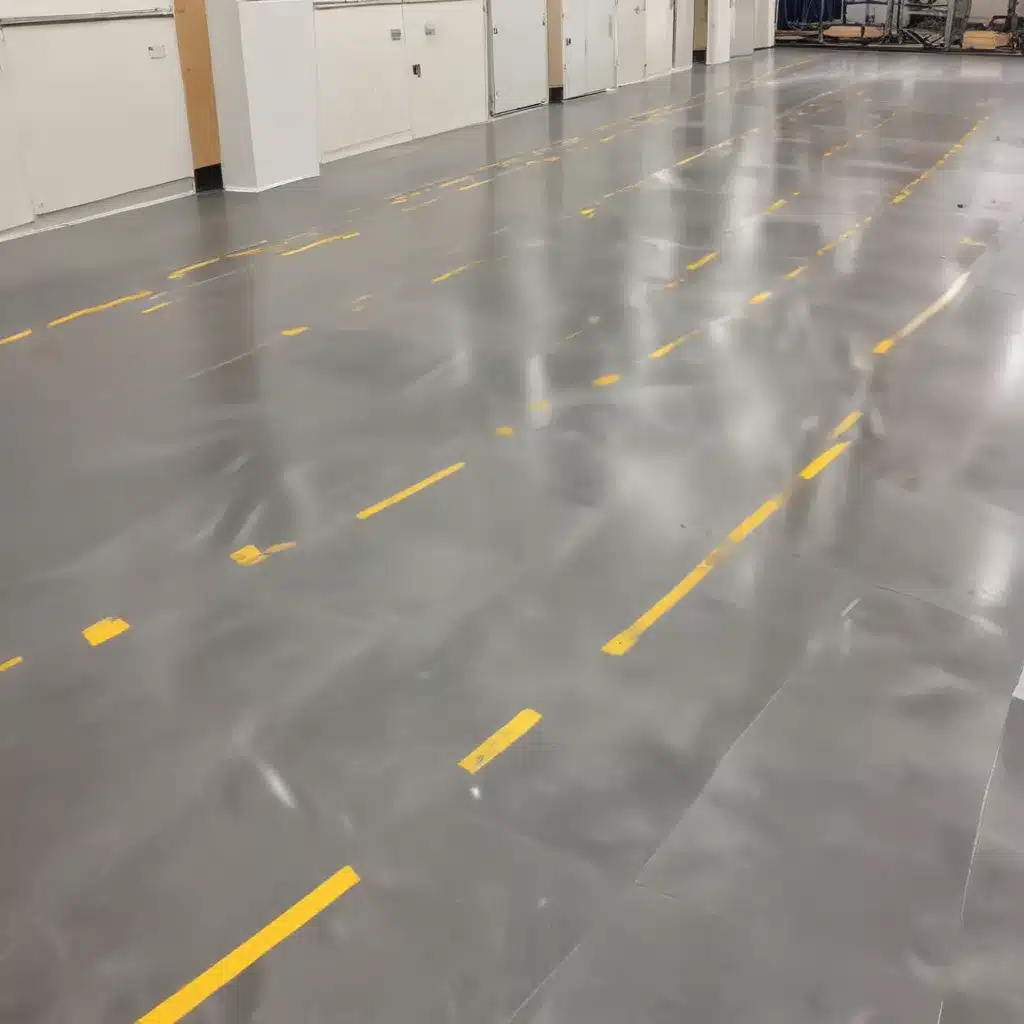
Raised access flooring systems are a popular choice for modern commercial and office environments across the UK, providing a versatile and adaptable platform for housing critical electrical and data infrastructure. However, one key consideration that is often overlooked is the management of static electricity. Uncontrolled static build-up can pose a significant risk to sensitive electronic equipment, create discomfort for building occupants, and potentially even cause ignition hazards in specific environments.
As an experienced raised flooring consultant, I’ll delve into the importance of addressing static electricity risks in UK raised access flooring systems, covering design strategies, material selection, installation best practices, and long-term maintenance protocols to ensure optimal performance and safety.
Raised Access Flooring Systems and ESD Management
The fundamental design of raised access flooring systems, with their elevated panels and hidden services, inherently creates an environment susceptible to the generation and accumulation of static electricity. This is particularly true in modern commercial spaces that house a high concentration of electronic devices, from computers and servers to telecommunications equipment.
Conductive Flooring Materials
The primary line of defense against static electricity risks in raised access flooring lies in the careful selection of conductive or static-dissipative flooring materials. These specialized products are engineered to either allow the controlled dissipation of static charges (static-dissipative) or to provide a continuous path for the safe discharge of static electricity (conductive).
Forbo’s Sphera EC and Sphera SD sheet vinyl flooring collections are examples of high-performance static-control flooring solutions suitable for raised access applications. These materials feature a conductive backing that facilitates the controlled dissipation of static charges, helping to protect sensitive electronic equipment and maintain a safe environment for building occupants.
Grounding and Bonding
Alongside the selection of appropriate flooring materials, the effective grounding and bonding of the raised access flooring system is crucial for managing static electricity risks. All conductive or static-dissipative components, including the floor panels, pedestals, and any metallic raceways or service trays, must be properly grounded to a common earth reference point.
This ensures that any static charges generated on the surface of the floor or within the hidden services can be safely dissipated, preventing the buildup of potentially hazardous voltages. Careful attention must be paid to the installation of grounding points and the continuous bonding of all conductive elements within the raised access flooring system.
ESD Control Measures
Beyond the selection of appropriate flooring materials and the implementation of a robust grounding system, additional electrostatic discharge (ESD) control measures may be required, depending on the specific application and the sensitivity of the equipment being housed within the raised access flooring environment.
These measures can include the incorporation of specialized ESD-protective accessories, such as conductive or static-dissipative covings, skirting, and edge trims, to ensure a continuous path for static charge dissipation. Raised access flooring systems in mission-critical environments, such as data centers or sensitive electronics manufacturing facilities, may also benefit from the inclusion of ESD-safe lighting and signage to further enhance the overall static control capabilities.
Cable and Service Management
The management of cables and other services within a raised access flooring system plays a crucial role in mitigating static electricity risks. Proper cable routing, segregation, and containment can help minimize the generation and accumulation of static charges, while also ensuring optimal system performance and maintainability.
Cable Raceways and Trays
The use of conductive or static-dissipative cable raceways and trays within the raised access flooring system is highly recommended. These specialized components provide a controlled path for the distribution of cables, preventing the build-up of static charges and ensuring the effective grounding of the entire system.
By containing and routing the cables in a structured manner, these raceways and trays also help to minimize the potential for electromagnetic interference (EMI) and other electrical disturbances, further enhancing the reliability and performance of the critical infrastructure housed within the raised access flooring environment.
Cable Capacity and Routing
It is essential to carefully plan the cable capacity and routing within a raised access flooring system to maintain optimal static electricity control. Overloading cable trays or raceways can lead to the generation of unwanted static charges, as well as create difficulties in the future for adding, modifying, or maintaining the cabling infrastructure.
Engaging experienced raised flooring consultants during the design stage can help ensure that the system is appropriately sized to accommodate both current and anticipated future cable requirements, with sufficient capacity and thoughtful cable routing to minimize potential static electricity issues.
Regulatory Compliance and Standards
When addressing static electricity risks in UK raised access flooring systems, it is essential to ensure compliance with the relevant health and safety regulations, building codes, and industry standards. This not only safeguards the well-being of building occupants but also helps to mitigate potential legal and financial liabilities.
Health and Safety Regulations
The UK’s Health and Safety at Work Act 1974 and the associated Electricity at Work Regulations 1989 provide a legislative framework for the management of electrical hazards, including the risks posed by static electricity. Raised access flooring systems must be designed, installed, and maintained in a manner that adheres to these regulations, ensuring the protection of both personnel and equipment.
Building Codes and Standards
In addition to health and safety regulations, raised access flooring systems in the UK must also comply with various building codes and industry standards, such as the BSEN 12825 standard for raised access floors. This standard outlines the performance requirements, testing protocols, and installation guidelines for raised access flooring, including specific provisions for the management of static electricity.
Accessibility Requirements
It’s worth noting that raised access flooring systems must also consider the needs of building occupants with disabilities, as outlined in the Equality Act 2010 and the associated Building Regulations. This includes ensuring that the flooring system and any associated ESD control measures do not create barriers or pose additional risks to individuals with mobility, sensory, or cognitive impairments.
Environmental Factors and System Performance
The performance of a raised access flooring system, including its ability to effectively manage static electricity, is heavily influenced by the surrounding environmental conditions. Factors such as temperature, humidity, and airflow can all have a significant impact on the generation and dissipation of static charges.
Temperature and Humidity Control
Maintaining appropriate temperature and humidity levels within the raised access flooring environment is crucial for effective static electricity management. Low humidity environments are particularly prone to the buildup of static charges, as the dry air facilitates the generation and accumulation of static electricity.
By ensuring that the temperature and humidity levels are kept within the recommended ranges, as specified by the raised flooring system manufacturer and any applicable industry standards, the risk of static electricity issues can be greatly reduced.
Airflow and Ventilation
The airflow and ventilation within a raised access flooring system can also influence the generation and dissipation of static electricity. Turbulent or uncontrolled airflow can disrupt the effectiveness of the static-control measures, leading to the accumulation of static charges and potential ESD-related problems.
Careful design and integration of the raised access flooring system with the building’s HVAC (Heating, Ventilation, and Air Conditioning) infrastructure can help maintain a stable and controlled airflow environment, further enhancing the overall static electricity management capabilities.
Maintenance and Lifecycle Considerations
Effective long-term management of static electricity risks in raised access flooring systems requires a comprehensive maintenance program and a proactive approach to the system’s lifecycle.
Cleaning and Maintenance Procedures
Regular cleaning and maintenance of the raised access flooring system, including the flooring surface, cable raceways, and associated components, is essential for maintaining optimal static electricity control. Adherence to the manufacturer’s recommended cleaning protocols, using approved products and methods, is crucial to ensure the integrity of the static-dissipative or conductive properties of the system.
Tile Replacement and Refurbishment
Over time, the flooring tiles within a raised access flooring system may become worn, damaged, or ineffective in managing static electricity. It is important to have a planned program for the replacement or refurbishment of these tiles, ensuring that the static-control properties are maintained throughout the system’s lifecycle.
Inspection and Monitoring
Periodic inspections and performance testing of the raised access flooring system are necessary to identify any issues or degradation of the static electricity management capabilities. This may include measuring the electrical resistance of the flooring, testing the grounding and bonding connections, and monitoring for signs of wear or damage.
By proactively addressing any identified problems and maintaining the system in accordance with the manufacturer’s recommendations, you can ensure the long-term reliable performance of your raised access flooring system and the continued protection of sensitive electronic equipment and building occupants.
Conclusion
Addressing static electricity risks in UK raised access flooring systems is a critical aspect of ensuring the safety, reliability, and performance of these essential infrastructure platforms. By carefully selecting appropriate flooring materials, implementing robust grounding and bonding measures, and incorporating effective ESD control strategies, you can create a raised access flooring system that effectively mitigates the risks posed by static electricity.
Moreover, by maintaining compliance with relevant regulations and standards, and considering the environmental factors that can impact static electricity generation, you can further enhance the effectiveness of your raised access flooring system in managing this potential hazard.
Ultimately, a proactive and comprehensive approach to static electricity management in raised access flooring systems will not only safeguard your critical assets but also contribute to the overall well-being and productivity of the building’s occupants. For more information or assistance in addressing static electricity risks in your raised access flooring system, please visit raised-flooring.co.uk.

