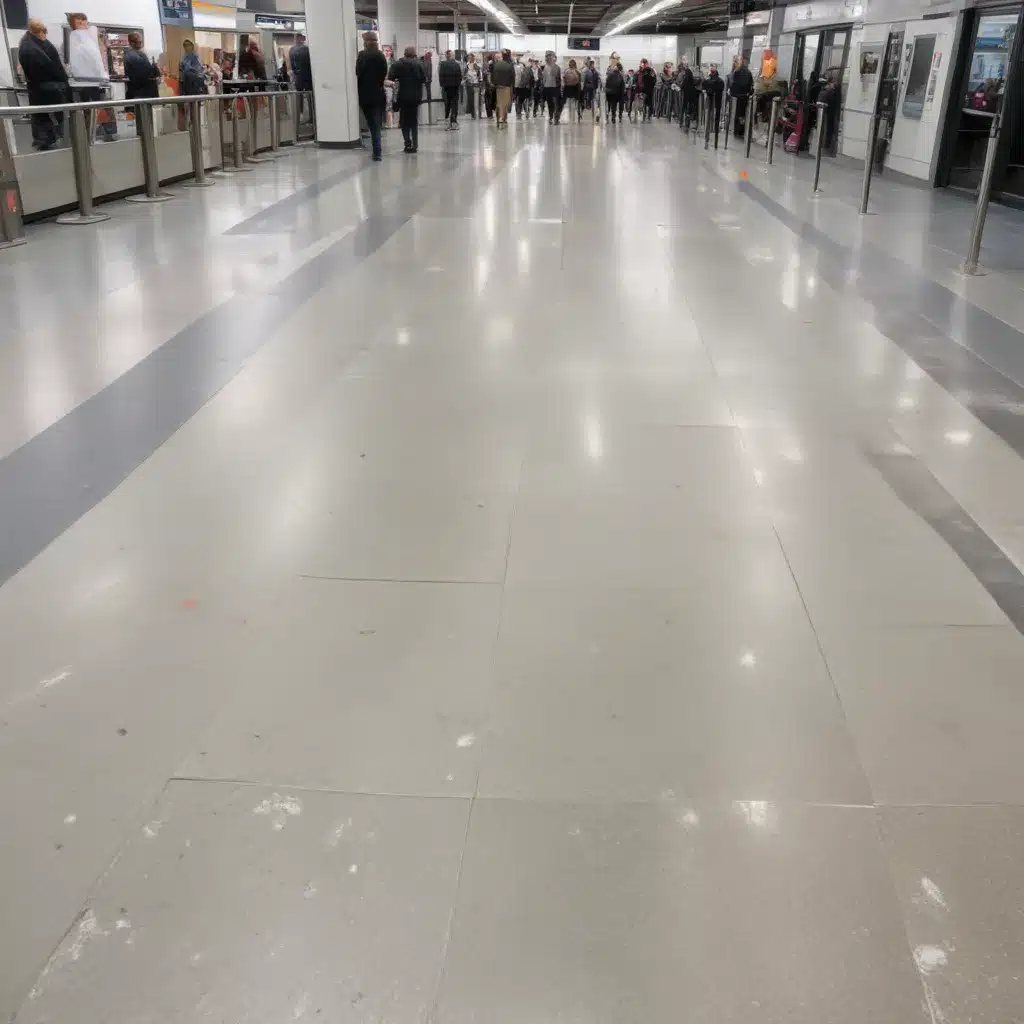
Addressing Vibration Concerns in Raised Flooring Systems for UK Transport Hubs: Enhancing Passenger Comfort and Safety
As an experienced raised flooring consultant for Raised Flooring UK, I understand the unique challenges that come with designing and installing access flooring systems within busy transport hubs across the United Kingdom. From bustling train stations and airport terminals to modern bus depots, these high-traffic environments demand flooring solutions that can withstand heavy footfall, support critical infrastructure, and most importantly, provide a comfortable and safe experience for passengers.
One of the primary concerns in these settings is the mitigation of vibrations – a critical factor that can have a significant impact on both passenger experience and the long-term performance of the flooring system. In this comprehensive article, we’ll explore the various strategies and best practices for addressing vibration challenges in raised access flooring for UK transport hubs, ensuring enhanced comfort, safety, and the overall integrity of these vital public spaces.
Structural Design and Load Capacity
The foundation of any effective raised flooring system lies in its structural design and load-bearing capacity. In transport hubs, where heavy foot traffic, occasional wheeled luggage, and even the movement of larger vehicles like trains and buses must be accommodated, the flooring system must be engineered to withstand significant dynamic loads.
Load Bearing Capacity: Raised access floors in transport hubs are typically designed to meet stringent load-bearing requirements, often specified by industry standards such as the PSA MOB PF2 PS and BSEN 12825 guidelines. These standards establish minimum performance criteria for the flooring system, ensuring it can safely support the anticipated live and static loads without compromising structural integrity or passenger safety.
Pedestal Adjustment and Leveling: The access floor pedestals, which form the core support structure, play a crucial role in mitigating vibrations. Adjustable pedestals allow for precise leveling and alignment, enabling the flooring system to adapt to uneven subfloors or accommodate changes in the building’s structure over time. This level of adjustability is essential for maintaining a stable, vibration-resistant surface.
Subfloor Composition and Stability: The composition and stability of the subfloor, upon which the access floor is installed, are also key factors in vibration control. A solid, well-prepared subfloor, free from unevenness or structural defects, provides a stable foundation that can effectively transmit and dissipate vibrations, reducing their impact on the flooring system and the overall passenger experience.
Vibration Mitigation Strategies
Addressing vibration concerns in raised flooring systems for transport hubs requires a multi-pronged approach, incorporating various damping, isolation, and optimization techniques.
Damping Mechanisms: Incorporating specialized damping components, such as resilient pads or springs within the pedestal assembly, can significantly reduce the transmission of vibrations through the flooring system. These damping mechanisms absorb and dissipate the energy from dynamic loads, minimizing the vibrations felt by passengers.
Isolation and Decoupling Techniques: Strategically decoupling the access floor from the building’s structure can further enhance vibration isolation. This can be achieved through the use of resilient underlayments or the incorporation of isolation bearings within the pedestal design. By isolating the flooring system from the building’s structural vibrations, the impact on passenger comfort and safety is greatly reduced.
Optimizing Pedestal Spacing and Configuration: The layout and spacing of the access floor pedestals can also play a significant role in vibration mitigation. By carefully analyzing the specific loading conditions and dynamic forces within the transport hub, the pedestal configuration can be optimized to create a more stable and vibration-resistant flooring system.
Cable and Service Integration
Raised access flooring systems in transport hubs often serve as a crucial conduit for various building services, including electrical, data, and HVAC systems. The integration of these services must be carefully considered to ensure not only optimal functionality but also effective vibration control.
Cable Management Systems: Specialized cable management systems, such as stringently designed cable trays and raceways, can help to isolate and decouple the cabling infrastructure from the access flooring system. This separation minimizes the transmission of vibrations through the cabling, preventing the creation of unwanted resonance or amplification of dynamic forces.
Accessibility and Reconfigurability: The ability to easily access and reconfigure the cabling and services within the raised floor void is essential for transport hubs, where the need for adaptability and ongoing maintenance is paramount. Modular designs and well-organized cable management systems facilitate efficient access and reconfiguration, ensuring the flooring system remains vibration-resistant throughout its lifecycle.
Utility Integration: HVAC, Electrical, and Data: The integration of critical building services, such as HVAC, electrical, and data networks, must be carefully planned to minimize the impact of vibrations. This may involve the use of vibration-damping equipment mounts, flexible connections, and coordinated routing strategies to isolate these systems from the access flooring structure.
Passenger Safety and Comfort
In transport hubs, where passenger safety and comfort are of the utmost importance, the raised flooring system must be designed to address a range of considerations beyond just vibration mitigation.
Slip Resistance and Flooring Finishes: The selection of appropriate flooring finishes, such as anti-slip tiles or textured vinyl, can enhance traction and reduce the risk of slips and falls, especially in areas prone to spills or inclement weather conditions.
Acoustics and Sound Absorption: Minimizing the transmission of footfall noise and other impact-related sounds is crucial for passenger comfort. The incorporation of sound-absorbing materials within the access flooring system, as well as the optimization of its acoustic properties, can create a more peaceful and welcoming environment.
Thermal Insulation and Climate Control: In transport hubs, where temperature and climate control are essential for passenger comfort, the raised flooring system can play a role in maintaining a comfortable indoor environment. Careful selection of materials and integrated strategies, such as underfloor air distribution, can enhance thermal efficiency and regulate the ambient temperature.
Regulatory Compliance and Standards
Raised access flooring systems installed within UK transport hubs must adhere to a range of regulatory requirements and industry standards to ensure the safety and accessibility of these public spaces.
Building Codes and Safety Regulations: The design and installation of raised flooring systems in transport hubs must comply with the relevant building codes and safety regulations, such as those outlined in the Building Regulations 2010 and the Regulatory Reform (Fire Safety) Order 2005.
Fire and Smoke Performance: Given the high-occupancy nature of transport hubs, the access flooring system must meet stringent fire and smoke performance criteria, as specified by standards like the BS 476-6 and BS 476-7 tests, to ensure the safety of passengers in the event of an emergency.
Accessibility Guidelines for Transport Hubs: Compliance with accessibility guidelines, such as those outlined in the Equality Act 2010 and the BS 8300 standard, is crucial for ensuring that the raised flooring system provides a safe and inclusive environment for all passengers, including those with disabilities or mobility challenges.
Maintenance and Lifecycle Management
Effective maintenance and lifecycle management strategies are essential for ensuring the long-term performance and vibration resilience of raised access flooring systems within transport hubs.
Modular Design and Replacement: The use of modular flooring panels and components allows for easy access, inspection, and targeted replacement of any damaged or worn-out elements, minimizing disruption to the transport hub’s operations and maintaining the integrity of the vibration-resistant system.
Cleaning and Wear Resistance: Regular cleaning and the selection of durable, wear-resistant flooring materials can help to maintain the slip resistance, appearance, and overall performance of the access flooring system over time, ensuring it continues to provide a safe and comfortable environment for passengers.
Integrated Monitoring and Diagnostics: Incorporating smart sensors and monitoring systems within the raised flooring can provide valuable insights into the system’s performance, allowing for proactive maintenance and early detection of any potential vibration-related issues.
Sustainability and Environmental Impact
As sustainability becomes an increasingly important consideration in the built environment, the design and implementation of raised access flooring systems for UK transport hubs must also address environmental concerns and the principles of the circular economy.
Recycled and Renewable Materials: The use of recycled or sustainably sourced materials, such as recycled steel or engineered wood products, can significantly reduce the environmental impact of the access flooring system while maintaining its structural integrity and vibration-resistant properties.
Energy Efficiency and Thermal Optimization: Strategies that enhance the thermal performance and energy efficiency of the raised flooring system, such as the integration of insulation or the use of phase-change materials, can contribute to the overall sustainability and long-term operational costs of the transport hub.
Circular Economy and End-of-Life Considerations: Designing the raised flooring system with a focus on modularity, disassembly, and the potential for reuse or recycling at the end of its lifecycle aligns with the principles of the circular economy and minimizes the environmental impact of the transport hub’s infrastructure.
Innovative Trends and Future Developments
As the world of raised flooring systems continues to evolve, there are several innovative trends and future developments that may further enhance the vibration-resistant capabilities of access flooring in UK transport hubs.
Intelligent Flooring Systems: The integration of smart sensors, automated monitoring, and self-diagnostic capabilities within the raised flooring system can provide real-time insights into the performance and condition of the infrastructure, enabling proactive maintenance and the early identification of any vibration-related issues.
Integrated Sensor Networks: Embedding sensor networks within the access flooring system can not only monitor vibrations but also gather valuable data on passenger flow, occupancy patterns, and environmental conditions, enabling transport hubs to optimize their operations and enhance the overall passenger experience.
Adaptive and Self-Adjusting Flooring: The development of advanced, self-adjusting flooring systems that can actively adapt to changes in loading conditions, environmental factors, and vibration patterns may offer a new frontier in vibration mitigation, providing a more dynamic and responsive solution for the unique challenges of transport hubs.
As the needs of UK transport hubs continue to evolve, the design and implementation of raised access flooring systems must keep pace, incorporating the latest strategies, technologies, and best practices to ensure the comfort, safety, and long-term performance of these vital public spaces. By addressing vibration concerns head-on, we can create transport hubs that not only meet the functional requirements but also prioritize the well-being and satisfaction of the passengers they serve.
For more information on Raised Flooring UK’s comprehensive solutions for transport hubs, please visit our website at http://raised-flooring.co.uk/.Tip: Always verify floor load ratings with structural engineers

