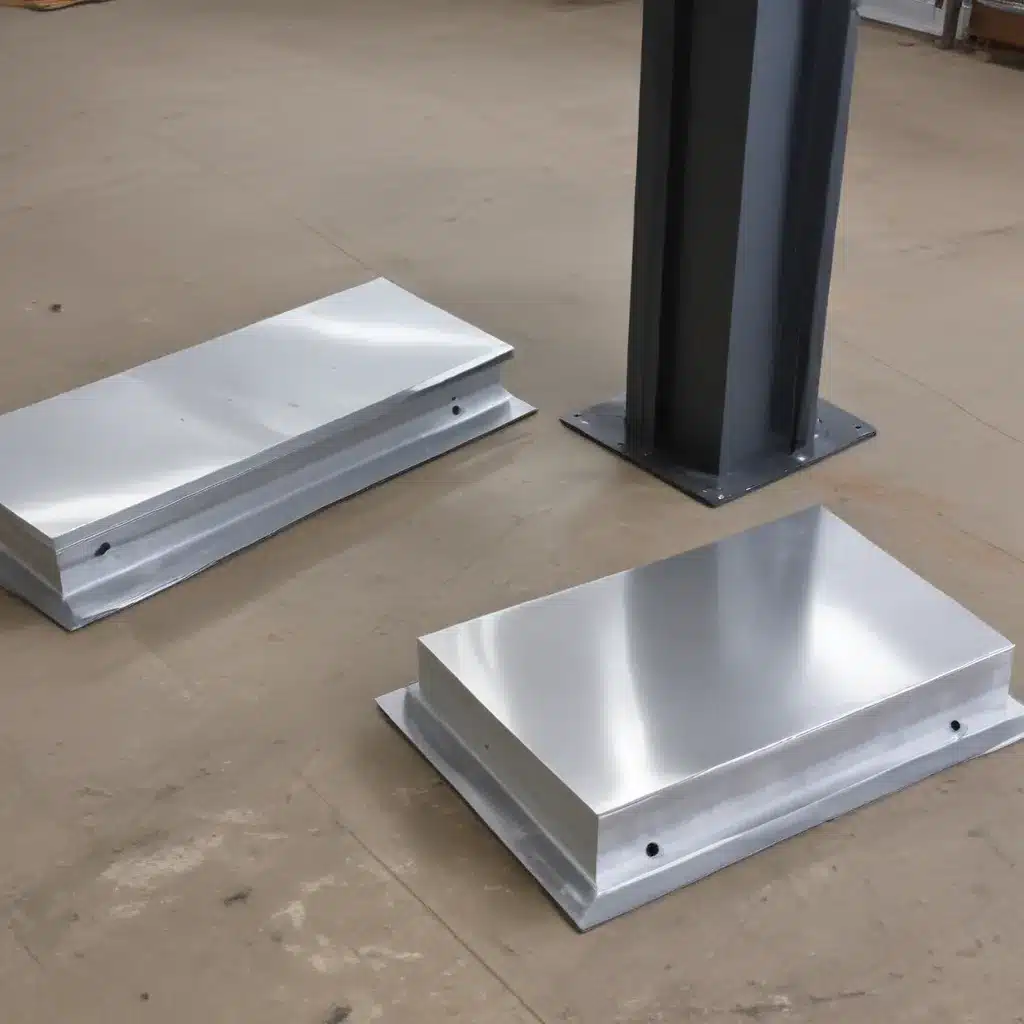
As an experienced raised flooring consultant at Raised Flooring UK, I’ve had the privilege of advising clients across the country on the design, installation, and long-term maintenance of these innovative solutions. Amid the growing demand for flexible, technology-driven workspaces, the choice between aluminium and steel pedestals has become a critical consideration for architects, facility managers, and commercial clients alike.
In this comprehensive analysis, we’ll delve into the key factors that distinguish these two pedestal materials, helping you make an informed decision that aligns with your unique project requirements. From load-bearing capacity and installation ease to ongoing maintenance and environmental impact, this article will equip you with the insights needed to select the optimal raised flooring system for your commercial or office environment.
Pedestal Materials and Design
At the heart of any raised access flooring system are the supporting pedestals, which come in a variety of materials to suit different applications and performance requirements. Let’s examine the distinctive characteristics of aluminium and steel pedestals, exploring how their design and construction influence the overall functionality of the raised floor.
Aluminium Pedestals
Renowned for its exceptional strength-to-weight ratio, aluminium is a standout choice for raised floor pedestals. The high-quality die-cast aluminium alloy (ADC12) used by leading manufacturers like MAJET offers superior mechanical properties, dimensional stability, and corrosion resistance.
Aluminium pedestals boast a number of inherent advantages. Their lightweight nature reduces the overall load on the subfloor, while still maintaining impressive load-bearing capacities that can exceed 11,000 N (2,500 lbf) for concentrated impacts. The material’s natural resistance to microbial growth and its corrosion-proof qualities make aluminium pedestals a popular selection for clean room environments and data centers where cleanliness is paramount.
One of the key design features of aluminium pedestals is their versatility in terms of finish and veneer options. The die-cast aluminium can be coated with epoxy spray or nickel-chromium plating to achieve various aesthetic and functional finishes. Additionally, the pedestals can be paired with a range of veneer materials, including high-quality anti-static HPL and PVC, to meet the specific requirements of the project.
Steel Pedestals
In contrast, steel pedestals offer a robust and adaptable solution for raised access flooring. Renowned for their unparalleled flexibility in design and configuration, steel pedestals excel in dynamic environments where evolving needs and layout changes are common, such as modern office spaces.
The plenum, or concealed space beneath steel raised floors, serves as a versatile pathway for cabling, electrical wiring, and ventilation systems. This not only streamlines the aesthetic appeal of the space but also facilitates easy access for maintenance and upgrades, minimizing downtime and disruption.
Steel pedestals also contribute to improved indoor air quality by promoting efficient air circulation within the plenum. By acting as a channel for air movement, these pedestals help reduce the risk of stagnant air, creating a healthier environment, particularly in data center applications.
Comparative Performance Analysis
When it comes to the relative performance of aluminium and steel pedestals, a detailed comparison reveals the distinct advantages of each material:
Load Capacity:
– Aluminium pedestals can withstand concentrated impacts of up to 11,000 N (2,500 lbf) and uniform loads exceeding 58,000 N/m² (8,900 lbf/ft²).
– Steel pedestals typically offer slightly higher load-bearing capacities, with the ability to support concentrated impacts of up to 13,500 N (3,000 lbf) and uniform loads up to 70,000 N/m² (10,000 lbf/ft²).
Dimensional Stability:
– Aluminium pedestals are renowned for their exceptional dimensional stability, ensuring a level and consistent floor surface over the long term.
– Steel pedestals also maintain excellent dimensional stability, with the added benefit of being easily adjustable to accommodate uneven subfloors or changing requirements.
Corrosion Resistance:
– Aluminium’s natural resistance to corrosion makes it a preferred choice for environments with high humidity or potential exposure to chemical spills.
– Steel pedestals can be treated with protective coatings, such as galvanization, to enhance their corrosion resistance, though they may require more diligent maintenance over time.
Sustainability and Recycling:
– Both aluminium and steel raised flooring systems are highly sustainable, with the potential for significant recycled content and end-of-life recycling.
– Aluminium, in particular, is known for its excellent recyclability, making it a popular choice for environmentally conscious projects.
Ultimately, the decision between aluminium and steel pedestals should be informed by the specific requirements of your project, factoring in load-bearing needs, environmental conditions, and long-term maintenance considerations. By understanding the unique strengths of each material, you can make an informed choice that delivers the optimal performance and value for your raised flooring system.
Load Capacity and Load Distribution
One of the primary concerns when selecting raised flooring pedestals is their ability to safely support the various static and dynamic loads imposed on the system. Let’s delve deeper into the load-bearing capabilities of aluminium and steel pedestals, as well as the importance of uniform load distribution.
Static Load Capacity
The static load capacity of raised floor pedestals refers to their ability to withstand continuous, evenly distributed loads, such as the weight of furniture, equipment, and occupants. Both aluminium and steel pedestals are engineered to exceed the typical load requirements for commercial and office environments.
Aluminium pedestals from leading manufacturers like MAJET can support uniform loads of up to 58,000 N/m² (8,900 lbf/ft²), ensuring ample capacity for the vast majority of applications.
Steel pedestals, on the other hand, can typically withstand uniform loads of up to 70,000 N/m² (10,000 lbf/ft²), making them a robust choice for heavier-duty applications or environments with the potential for concentrated loads.
Dynamic Load Capacity
In addition to static loads, raised flooring systems must also be able to withstand dynamic loads, such as those generated by foot traffic, rolling furniture, and the occasional impact. Both aluminium and steel pedestals are engineered to exceed the relevant performance standards in this regard.
Aluminium pedestals demonstrate impressive concentrated impact load resistance, with capacities ranging from 2,990 N (672 lbf) for the smallest models up to 11,093 N (2,495 lbf) for the largest variants.
Steel pedestals can withstand even higher concentrated impact loads, typically ranging from 3,000 N (675 lbf) to 13,500 N (3,000 lbf), depending on the specific product and design.
Pedestal Spacing and Load Distribution
Proper pedestal spacing is crucial to ensure the uniform distribution of loads across the raised flooring system. Both aluminium and steel pedestals are typically arranged in a grid pattern, with the specific spacing determined by factors such as expected load requirements, panel dimensions, and regulatory guidelines.
By strategically positioning the pedestals, the overall load-bearing capacity of the raised floor can be maximized, ensuring a stable and reliable surface that meets the needs of the occupants and the equipment housed within.
In general, pedestal spacing for aluminium and steel raised floors ranges from 600 mm (23.6 inches) to 1,200 mm (47.2 inches), depending on the specific load requirements and the chosen panel size. Consulting with experienced raised flooring professionals is recommended to determine the optimal pedestal layout for your project.
Pedestal Adjustment and Leveling
A key advantage of raised access flooring systems is their ability to accommodate uneven subfloors and adapt to changing floor height requirements. The adjustment and leveling capabilities of aluminium and steel pedestals play a crucial role in achieving a smooth, consistent surface.
Vertical Adjustment Range
Aluminium pedestals typically offer a vertical adjustment range of up to 800 mm (31.5 inches), allowing for significant flexibility in adapting to site conditions and accommodating changes in the desired floor height.
Steel pedestals, on the other hand, often provide an even greater vertical adjustment range, spanning from 100 mm (3.9 inches) up to 1,000 mm (39.4 inches) or more. This extended adjustment capability makes steel pedestals a popular choice for projects with complex or variable floor height requirements.
Leveling Mechanisms
Both aluminium and steel pedestals are equipped with sophisticated leveling mechanisms to ensure a uniform and stable raised floor surface.
Aluminium pedestals often feature built-in adjustment screws that allow for precise leveling, enabling the installer to fine-tune the height and compensate for any subfloor irregularities.
Steel pedestals commonly incorporate threaded stems that provide a wide range of adjustment, along with locking mechanisms to maintain the desired level once set. This flexibility allows for the creation of a perfectly level raised floor, even in challenging environments.
Achieving Uniform Floor Heights
Maintaining a consistent floor height across the entire raised flooring system is essential for both aesthetic appeal and functionality. Aluminium and steel pedestals are designed with this critical requirement in mind.
Aluminium pedestal systems are renowned for their dimensional stability, ensuring that the floor height remains uniform over time, even in the face of varying load conditions or environmental factors.
Steel pedestal systems also excel in this regard, with the ability to easily adjust individual pedestals to compensate for any unevenness in the subfloor. This adaptability allows for the creation of a perfectly level raised floor, regardless of the underlying conditions.
By carefully considering the adjustment and leveling capabilities of aluminium and steel pedestals, you can be confident in achieving a seamless, uniform raised flooring surface that meets the exacting standards of your commercial or office environment.
Cable Management and Airflow
One of the primary benefits of raised access flooring is its ability to accommodate complex wiring and services, as well as optimize airflow for climate control and environmental management. Let’s explore how the design of aluminium and steel pedestals contributes to these critical functionalities.
Cable Routing Options
The concealed plenum beneath raised floors provides a flexible and accessible pathway for the routing of cables, electrical wiring, and other building services. Both aluminium and steel pedestal systems are designed to facilitate efficient cable management.
Aluminium pedestals can be paired with a variety of overhead systems, including steel and aluminium brackets, to create customized cable trays and raceways. This allows for the precise positioning and organization of services to meet the specific needs of the project.
Steel pedestals, with their inherent plenum space, offer a particularly versatile approach to cable routing. The open cavity beneath the raised floor panels can accommodate a wide range of cable management solutions, from simple trays to fully integrated trunking systems.
Underfloor Cavity for Services
The underfloor cavity created by raised access flooring systems is a crucial aspect of their functionality, providing a concealed space for the installation and maintenance of building services.
Aluminium pedestals elevate the floor, creating a plenum that can range from 100 mm (3.9 inches) to 2,000 mm (78.7 inches) in height, depending on the specific model and application requirements.
Steel pedestals also generate a substantial underfloor cavity, typically ranging from 100 mm (3.9 inches) to 1,000 mm (39.4 inches) or more. This generous plenum space allows for the efficient routing and management of cables, pipes, and other essential building infrastructure.
Airflow Optimization
In environments with sensitive electronic equipment, such as data centers, the efficient management of airflow is a critical consideration. Raised access flooring systems, whether supported by aluminium or steel pedestals, play a pivotal role in optimizing the airflow within these spaces.
Aluminium pedestals, when combined with perforated or grated flooring panels, can create a tailored air distribution system. The raised floor plenum acts as a channel for the circulation of conditioned air, ensuring optimal temperature and humidity levels for the sensitive equipment housed within.
Steel pedestal systems also excel in this regard, with the plenum space serving as a conduit for air movement. This improved airflow helps to maintain a consistent and healthy environment, particularly in mission-critical facilities like data centers.
By carefully considering the cable management and airflow optimization capabilities of aluminium and steel pedestal systems, you can design a raised flooring solution that not only meets the operational demands of your commercial or office space but also enhances the overall indoor environment.
Regulatory Compliance and Standards
Ensuring compliance with relevant regulations and industry standards is a crucial aspect of any raised flooring installation. Both aluminium and steel pedestal systems must adhere to stringent guidelines to safeguard the safety, accessibility, and environmental performance of the overall flooring solution.
Fire Safety Requirements
Fire safety is a paramount concern in commercial and office environments. Raised flooring systems must comply with strict fire safety standards to mitigate the risk of fire spread and ensure the safety of occupants.
Aluminium pedestals, with their inherent fire-resistant properties, are well-suited for applications where fire safety is a top priority. Aluminium’s non-combustible nature and high thermal stability make it a preferred choice for compliance with relevant fire safety regulations, such as the UK’s Building Regulations.
Steel pedestals also offer robust fire safety characteristics, with the option to utilize fire-resistant coatings or treatments to further enhance their performance in the event of a fire. Careful specification and installation are essential to ensure full compliance with fire safety guidelines.
Accessibility and ADA Guidelines
Raised flooring systems must also address accessibility requirements, particularly in compliance with the Americans with Disabilities Act (ADA) and similar regulations in the UK.
Aluminium pedestals, with their adjustable height capabilities, can be configured to meet the specified accessibility guidelines, ensuring a level, slip-resistant surface that is accessible to all users.
Steel pedestal systems excel in this regard as well, offering a wide range of adjustment options to accommodate various accessibility needs. The modular design of steel raised floors also facilitates the creation of pathways and access points that comply with relevant accessibility standards.
Seismic and Environmental Considerations
In regions prone to seismic activity or subject to other environmental stresses, the stability and resilience of raised flooring systems become paramount.
Aluminium pedestals, with their inherent dimensional stability and corrosion resistance, are well-suited for challenging environmental conditions. The material’s ability to withstand the impact of seismic events and resist the effects of moisture or chemical exposure makes aluminium a reliable choice for these applications.
Steel pedestals also demonstrate exceptional durability in the face of environmental factors, with the option to apply protective coatings or finishes to further enhance their resistance to corrosion, weathering, and other environmental stresses.
By ensuring compliance with the relevant fire safety, accessibility, and environmental regulations, both aluminium and steel pedestal systems can be integrated into commercial and office environments, delivering a safe, accessible, and resilient raised flooring solution.
Subfloor Preparation and Installation
The successful installation of a raised access flooring system relies heavily on the careful preparation of the subfloor and the precise placement of the supporting pedestals. Let’s explore the key considerations for both aluminium and steel pedestal systems.
Subfloor Preparation
Regardless of the pedestal material, the subfloor must be thoroughly prepared to ensure a stable and level foundation for the raised flooring system. This typically involves:
- Cleaning: Removing any debris, dirt, or uneven surfaces from the subfloor.
- Leveling: Ensuring the subfloor is flat and level, with any significant variations addressed.
- Moisture Control: Addressing any moisture-related issues to prevent potential damage to the raised flooring.
Both aluminium and steel pedestal systems are versatile in their ability to adapt to a wide range of subfloor conditions, making them suitable for a variety of commercial and office environments.
Pedestal Layout and Installation
The precise placement and installation of the supporting pedestals is a critical step in the raised flooring process, regardless of whether aluminium or steel pedestals are being used.
Aluminium pedestal systems typically feature a grid-like layout, with the pedestals spaced at regular intervals to provide a stable and uniform support structure. The installation process involves securing the pedestals to the subfloor, often using adhesives or mechanical fasteners, and then leveling each individual pedestal to achieve the desired floor height.
Steel pedestal systems also utilize a grid layout, but their modular design allows for greater flexibility in the placement and adjustment of individual pedestals. The installation process for steel pedestals often involves the use of threaded stems and locking mechanisms to facilitate precise leveling and height adjustments.
Flooring Panel Placement
Once the pedestal grid has been established, the final step is the placement of the flooring panels onto the supporting structure. Both aluminium and steel pedestal systems are designed to accommodate a variety of panel materials, including HPL, PExample: London Cloud Provider Expansion

