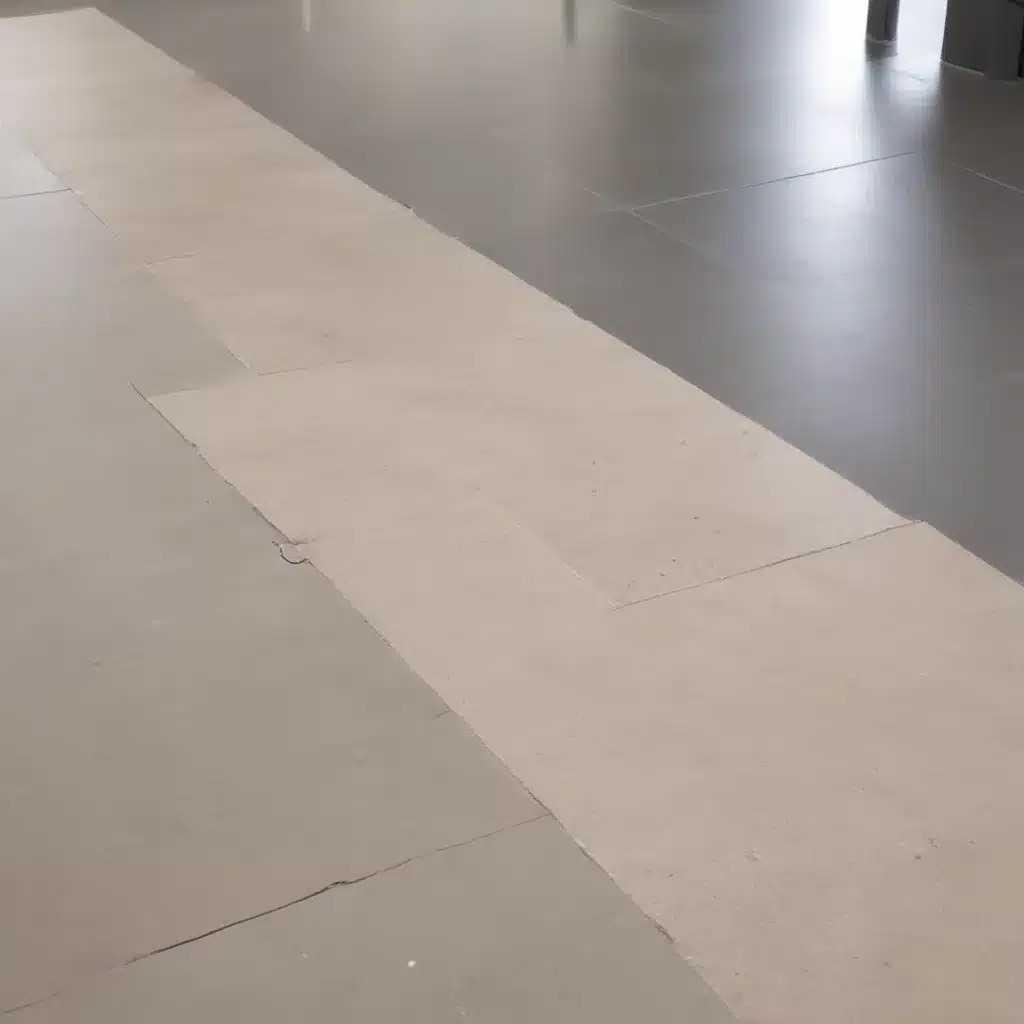
Essential Maintenance of Raised Access Flooring to Prevent Failure
Raised access flooring systems play a crucial role in modern commercial and office environments across the UK, providing a flexible and adaptable solution for housing essential data, power, and HVAC services. However, the long-term performance and reliability of these systems heavily depend on comprehensive maintenance practices. Neglecting routine care and inspections can lead to accelerated deterioration, structural failures, and potentially costly facility downtime.
As an experienced raised flooring consultant, I’ll dive into the essential maintenance requirements to ensure the continued safe and efficient operation of your raised access flooring investment. From detailed cost analysis and material comparisons to regulatory compliance and innovative design solutions, this comprehensive guide will equip you with the knowledge to prevent premature system failures.
Structural Components
The foundation of a resilient raised access flooring system lies in its structural integrity. Key areas requiring close attention include the load-bearing capacity, pedestal design, and panel construction.
Load Capacity: Raised floors must be engineered to safely support the combined weight of the floor panels, cabling, equipment, and human traffic. Adhering to industry standards like BSEN 12825 is essential to ensure the system can withstand the anticipated loadings without excessive deflection or failure. Regularly inspecting the floor for any signs of structural distress, such as cracked or deformed panels, is crucial.
Pedestal Design: The adjustable pedestals that support the raised floor panels play a vital role in distributing loads and maintaining a level surface. Monitoring the condition of these components and making timely adjustments is a cornerstone of preventive maintenance. Over time, pedestals may become unstable due to factors like vibration, uneven settling, or inadequate tightening. Identifying and addressing pedestal issues before they compromise the entire system is essential.
Panel Construction: The choice of raised floor panel material, such as steel encapsulated, calcium sulfate, or wood core, can significantly impact the system’s durability and maintenance requirements. Regularly inspecting panels for signs of warping, delamination, or damage and promptly replacing any compromised units is crucial to upholding structural integrity.
Maintenance and Inspection
Maintaining the cleanliness and functionality of your raised access flooring system is a continuous process that should be integrated into your facility management routine.
Pedestal Adjustment: Ensuring the pedestals remain properly adjusted and level is a critical task. Technicians should carefully monitor the floor for any unevenness or changes in height and make the necessary adjustments to restore a consistent plane. This not only preserves the structural stability but also prevents potential tripping hazards.
Panel Replacement: Over time, individual panels may become worn, damaged, or dislodged. Promptly identifying and replacing these panels is essential to maintain a safe, accessible, and visually appealing raised floor. When replacing panels, it’s recommended to rotate their positions, moving panels from high-traffic areas to lower-traffic zones to extend their useful life.
Debris Removal: Accumulated dust, dirt, and other contaminants within the underfloor void can impede airflow, interfere with cabling, and even contribute to equipment failures. Regular cleaning of the subfloor space, including vacuuming with ULPA-filtered equipment, is vital to maintain optimal environmental conditions and protect sensitive electronics.
Environmental Considerations
Raised access flooring systems play a crucial role in managing the environmental conditions within a facility, particularly in data centers and other mission-critical environments.
Temperature and Humidity Control: Maintaining the appropriate temperature and humidity levels is essential for the proper operation of electronic equipment and to prevent condensation or other environmental issues. Regularly monitoring and adjusting the HVAC systems serving the raised floor space is a must.
Airflow Management: The underfloor void provides a critical pathway for cooling air to circulate and reach the equipment above. Blockages or obstructions in this airflow can lead to hotspots and equipment overheating. Proactive cleaning and management of the underfloor space is essential to ensure unimpeded airflow.
Seismic Resistance: In areas prone to seismic activity, the raised access flooring system must be designed and installed to withstand the lateral and vertical forces associated with earthquakes. Adhering to local building codes and industry-standard seismic bracing techniques is crucial to safeguard the integrity of the system during a seismic event.
Regulatory Compliance
Raised access flooring systems are subject to a range of regulatory requirements and standards that must be diligently maintained to ensure the safety and accessibility of the overall facility.
Building Codes: Local and national building codes, such as those established by the PSA (Property Services Agency), provide guidelines for the structural design, materials, and installation of raised access flooring systems. Maintaining compliance with these codes is not only a legal requirement but also a critical safety consideration.
Fire Safety: Ensuring the raised floor system does not compromise the building’s fire safety is paramount. This includes maintaining the integrity of any fire-rated barriers, preventing the accumulation of combustible materials within the underfloor void, and adhering to fire suppression system requirements.
Accessibility Standards: Raised access flooring systems must also comply with accessibility standards, such as those outlined in BSEN 12825, to ensure they do not pose trip hazards or other obstacles for individuals with disabilities. Routine inspections and prompt remediation of any non-compliant conditions are essential.
Cable and Service Management
Effective management of the cabling and services housed within the raised access flooring system is crucial for maintaining its long-term functionality and reliability.
Cable Pathways: Organizing and securing the cables within the underfloor void using cable raceways, cable trays, or other dedicated pathways helps to prevent tangling, crushing, or damage. Regular inspections and adjustments to these pathways are necessary to maintain accessibility and airflow.
Cable Raceways: Enclosed cable raceways provide a protected and managed environment for power, data, and communication cables, shielding them from potential damage and facilitating easy access for maintenance or upgrades.
Cable Tray Systems: Cable tray systems offer a flexible and modular approach to cable management, allowing for the organized routing of multiple cable types while maintaining accessibility and airflow within the underfloor void.
Subfloor Enclosure Systems
The subfloor enclosure, comprising the underfloor void and associated ductwork or conduit, plays a crucial role in the overall performance and longevity of the raised access flooring system.
Underfloor Voids: Maintaining the cleanliness and accessibility of the underfloor void is essential for effective cable management, airflow distribution, and subfloor service access. Regular inspections and cleaning of this space are vital to prevent the accumulation of debris or obstruction of critical pathways.
Airflow Distribution: The underfloor void serves as a pressurized plenum, distributing conditioned air to the equipment and occupied spaces above. Ensuring the integrity of this airflow distribution system, including the sealing of any gaps or leaks, is crucial for energy efficiency and equipment cooling.
Conduit and Ductwork: The integration of various building services, such as electrical, data, and HVAC, within the underfloor void requires careful coordination and maintenance of the associated conduit, ductwork, and service access points. Regularly inspecting these elements and addressing any damage or deterioration is essential to preserve their functionality.
Lifecycle Management
Effective lifecycle management of a raised access flooring system involves a comprehensive approach to both preventive and reactive maintenance strategies.
Preventive Maintenance: Establishing a proactive maintenance program that includes regular inspections, cleaning, and component adjustments is essential to maximize the system’s lifespan and minimize the risk of unexpected failures. Maintaining detailed records of maintenance activities can help inform future planning and budgeting.
Reactive Maintenance: Despite best efforts, unforeseen issues may still arise that require immediate attention. Having a well-defined process and trained personnel to respond to and address these reactive maintenance needs is crucial to minimize downtime and maintain business continuity.
Upgrade and Refurbishment: As technology and requirements evolve, there may be opportunities to upgrade or refurbish the raised access flooring system to enhance its performance, capacity, or functionality. Carefully evaluating the cost-benefit analysis and planning for such upgrades can help extend the system’s useful life and maintain its relevance within the facility.
Raised Access Flooring Failure
Neglecting essential maintenance practices can lead to various types of raised access flooring failures, each with its own set of consequences and remediation requirements.
Overloading and Deflection: Exceeding the designed load-bearing capacity of the raised floor system can result in excessive panel deflection, compromising the structural integrity and creating potential safety hazards. Regular load assessments and prompt remediation of overloaded areas are crucial.
Pedestal Instability: Failure to properly maintain and adjust the raised floor pedestals can lead to uneven surfaces, panel displacement, and eventual system failure. Prompt identification and correction of pedestal issues are essential to preserve the system’s functionality.
Panel Displacement: Dislodged, warped, or damaged panels can create tripping hazards, disrupt the aesthetic appeal, and compromise the overall system performance. Implementing a proactive panel inspection and replacement program is vital to mitigate these risks.
By diligently adhering to the essential maintenance practices outlined in this guide, you can ensure the long-term reliability and optimal performance of your raised access flooring system. Investing in preventive care not only safeguards your facility’s operations but also protects your investment and aligns with industry best practices. For more information or assistance with your raised access flooring needs, please visit raised-flooring.co.uk.

