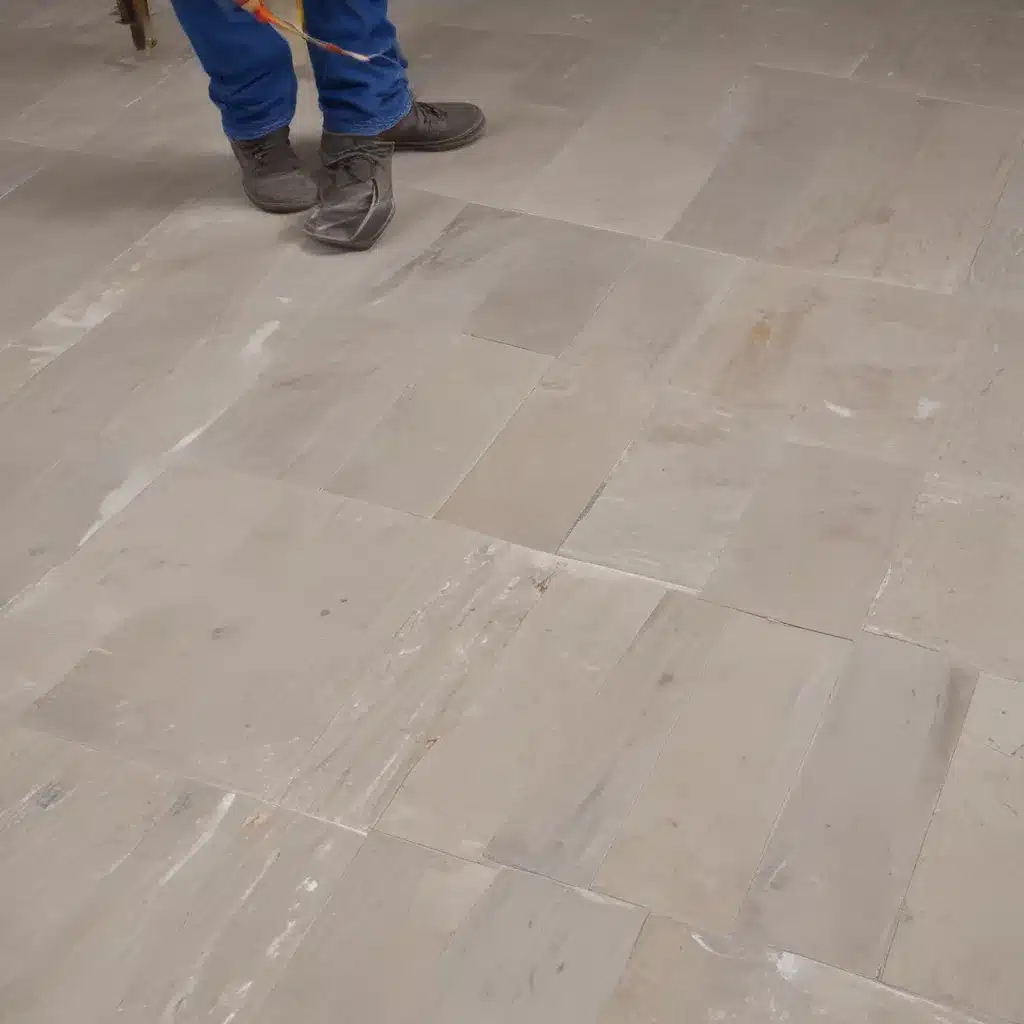
Raised access flooring systems have become an integral part of modern commercial and office environments across the UK, offering numerous advantages such as enhanced cable management, improved airflow, and easy adaptability to changing technology needs. However, to ensure these systems continue to perform at their best and serve your building for years to come, a proactive maintenance strategy is essential.
As an experienced raised flooring consultant, I’ve worked with a wide range of clients to develop tailored maintenance plans that extend the lifespan of their access flooring investments. In this comprehensive guide, I’ll share proven strategies and best practices for keeping your raised flooring in peak condition, from regular inspections to innovative solutions for preventing common issues.
Prioritizing Preventive Maintenance
The foundation of any effective raised flooring maintenance program is a commitment to preventive practices. By scheduling regular inspections and performing routine upkeep, you can identify potential problems early on and address them before they escalate into costly repairs or unexpected downtime.
Systematic Inspections
Start by establishing a consistent inspection routine, with both in-house building engineers and professional third-party consultants playing a role. Your internal team should conduct quarterly walkthroughs, carefully examining the floor panels, pedestals, and cable management system for any signs of wear or damage. Meanwhile, engage a specialized raised flooring expert to perform a thorough annual inspection, leveraging their expertise to identify issues you may have overlooked.
Meticulous Cleaning
Regularly cleaning the raised floor surface is crucial to prevent the buildup of dust, debris, and dirt, which can lead to component damage over time. Use an anti-static vacuum or mop to keep the panels free of contaminants, and pay special attention to crevices and hard-to-reach areas.
Proactive Adjustments
Staying on top of pedestal adjustment is key to maintaining a level, stable raised floor. During inspections, have your building engineers carefully check each pedestal, ensuring it is properly secured and aligned. Make any necessary tweaks to compensate for settling or other changes to the subfloor.
Cable Management Oversight
The raised floor’s void space is often home to a complex network of cables and services. Periodically review the cable routing, making sure wires are organized, secured, and not interfering with the floor system’s components. Identify and address any areas where cables may be causing damage or obstructing airflow.
Preventing Water and Moisture Damage
One of the primary threats to raised flooring systems is water infiltration, which can lead to corrosion, mold growth, and structural issues. Implement a multi-pronged approach to safeguard against these problems:
Sealing and Waterproofing
Utilize high-quality sealants and gaskets around the perimeter of the raised floor, creating a robust barrier against water intrusion. Regularly inspect these seals and promptly replace any that show signs of deterioration.
Spill Response
Establish clear protocols for addressing any spills or water leaks that occur on the raised floor. Ensure your team responds quickly to contain the issue and thoroughly dry the affected area, preventing moisture from seeping into the void space.
Humidity Management
Maintain appropriate indoor humidity levels to avoid condensation buildup, which can compromise the structural integrity of the raised floor system. Consider integrating dehumidification or HVAC controls to keep moisture levels in check.
Combating Static Electricity
Static electricity can pose a significant risk to sensitive electronic equipment housed within the raised floor void. Take proactive steps to mitigate static build-up:
Anti-Static Flooring
Opt for raised floor panels or coatings that are specifically designed to dissipate static charges, channeling them safely to ground.
Proper Grounding
Ensure all electronic components and equipment are properly grounded to divert static electricity and protect against potential damage.
Optimizing Airflow Performance
Many raised flooring systems incorporate an underfloor air distribution (UFAD) design, leveraging the void space to improve HVAC efficiency and indoor air quality. Maintain optimal airflow by:
Inspecting HVAC Components
Regularly assess the condition and functionality of HVAC filters, vents, and other components within the raised floor void. Clean or replace them as needed to maintain airflow and prevent dust accumulation.
Monitoring Airflow Distribution
Periodically evaluate the airflow patterns beneath the raised floor, identifying any obstructions or imbalances that could disrupt the system’s performance.
Troubleshooting and Addressing Issues
Despite your best preventive efforts, raised flooring systems may still encounter occasional problems. Be prepared to quickly diagnose and resolve common issues:
Unstable or Uneven Panels
If you notice any loose or uneven panels, adjust the supporting pedestals to restore a level surface. In cases of severe damage, replace the affected panels promptly.
Noisy Operation
Address any noises caused by panels rubbing against each other or the surrounding structure. Lubricating the components or making slight adjustments to the pedestals can often resolve this problem.
Drainage Obstructions
Ensure the raised floor’s drainage system, including gutters, downspouts, and drains, remains clear of debris to maintain proper water flow and prevent leaks.
For more complex issues or specialized repairs, don’t hesitate to consult with experienced raised flooring professionals. Their expertise can help identify underlying causes and implement the most effective solutions, safeguarding the long-term performance of your access flooring investment.
The Benefits of Proactive Maintenance
Embracing a proactive maintenance approach for your raised flooring system offers numerous advantages that extend far beyond just preventing leaks and breakdowns. By staying ahead of potential issues, you can:
- Extend the Lifespan: Regular upkeep and timely interventions can significantly prolong the useful life of your raised floor, maximizing the return on your initial investment.
- Enhance Reliability: Minimizing unplanned downtime and equipment failures ensures your building’s operations run smoothly and efficiently.
- Ensure Compliance: Proper maintenance helps maintain compliance with relevant industry standards and building codes, such as PSA and BSEN 12825.
- Foster a Culture of Excellence: By empowering your team to take an active role in proactive maintenance, you’ll cultivate a sense of ownership and shared responsibility for the well-being of your facility.
- Promote Sustainability: Preventive measures that optimize energy efficiency and minimize waste align with growing environmental priorities in the commercial sector.
Embracing Innovative Solutions
As you implement your proactive maintenance strategy, consider incorporating the latest technologies and tools to streamline your efforts and enhance your raised flooring’s performance:
Computerized Maintenance Management Systems (CMMS)
Leverage a robust CMMS like Raised Flooring UK to automate maintenance scheduling, track work orders, and generate detailed reports. These powerful platforms help you stay organized, optimize resource allocation, and ensure nothing falls through the cracks.
Predictive Analytics
By analyzing historical data and monitoring real-time performance, predictive analytics can help you anticipate equipment failures before they occur, allowing you to address issues proactively.
IoT Sensors and Monitoring
Internet-connected sensors can continuously monitor the condition of your raised floor system, providing instant alerts about potential problems and enabling timely interventions.
Mobile Maintenance Apps
Equip your team with user-friendly mobile apps that grant them access to maintenance records, technical manuals, and communication tools, empowering them to respond quickly to any issues that arise.
Overcoming Challenges
Transitioning to a proactive maintenance strategy for your raised flooring system isn’t without its challenges. You may face some initial resistance or concerns, such as the perceived higher costs or the disruption to daily operations. However, with a strategic approach and clear communication, you can overcome these hurdles:
Securing Stakeholder Buy-In
Demonstrate the long-term benefits of proactive maintenance, highlighting the cost savings, improved reliability, and enhanced compliance that it can bring. Involve your team in the process, fostering a shared sense of ownership and responsibility.
Balancing Maintenance and Operations
Carefully coordinate your maintenance schedules to minimize disruptions to your building’s day-to-day activities. Utilize CMMS tools and real-time monitoring to optimize your workflow and ensure a harmonious integration of maintenance tasks.
Maintaining Data Integrity
Accurate and reliable data is the foundation of an effective proactive maintenance strategy. Implement regular audits, provide training for your team, and leverage advanced technologies to maintain the integrity of your information.
By overcoming these challenges and embracing a proactive mindset, you’ll position your raised flooring system for long-term success, ensuring it continues to support your building’s evolving needs and safeguard its overall performance.
Conclusion
Proactive maintenance is the key to unlocking the full potential of your raised flooring investment. By implementing a comprehensive, forward-thinking approach that combines regular inspections, preventive measures, and innovative solutions, you can extend the lifespan of your access flooring system, enhance its reliability, and foster a culture of excellence within your organization.
Remember, your raised floor is more than just a functional component – it’s a strategic asset that directly impacts the efficiency, compliance, and overall value of your commercial or office space. Embrace proactive maintenance, and you’ll be rewarded with a seamless, adaptable, and future-proof raised flooring solution that serves your building for years to come.Tip: Always verify floor load ratings with structural engineers

