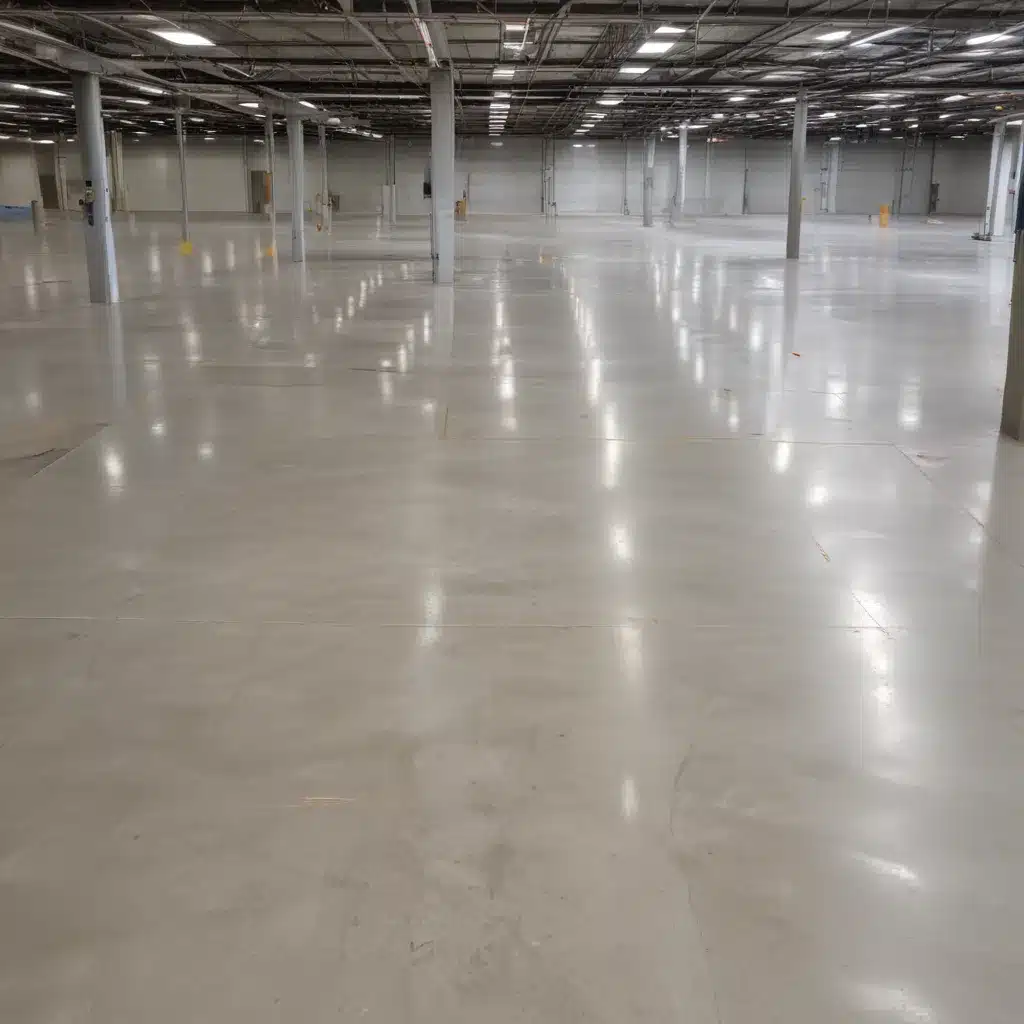
As an experienced raised flooring consultant with Raised Flooring UK, I’ve seen firsthand the critical role that proper maintenance plays in maximizing the lifespan of these versatile systems. Across modern commercial and office environments throughout the UK, the long-term performance and appearance of raised access flooring hinge on a proactive, multifaceted maintenance approach.
Structural Design and Performance
At the core of a resilient raised flooring system lies its structural integrity. Load-bearing capacity, pedestal adjustment, and adequate subfloor clearance are all essential considerations that impact the system’s durability and functionality over time.
Load Capacity: Raised floors must be designed to withstand the anticipated static and dynamic loads they’ll encounter, whether from foot traffic, furniture, or equipment. Proper specification and installation of the appropriate panel and pedestal types are crucial to ensure the system can handle these loads without compromising its structural integrity.
Pedestal Adjustment: The ability to adjust raised floor pedestals is a key feature that allows for precise leveling and compensation for uneven subfloors. Regularly inspecting and maintaining proper pedestal height is essential to prevent panel damage and ensure a stable, uniform surface.
Subfloor Clearance: Adequate space beneath the raised floor is necessary for accommodating cables, airflow, and potential maintenance access. Maintaining the specified subfloor clearance helps prevent obstruction and ensures the system can be accessed and serviced as needed.
Flooring Panels and Finishes
The selection of panel materials and surface treatments not only impacts the aesthetic appeal of the raised flooring but also plays a vital role in its long-term performance and maintenance requirements.
Panel Materials: Raised floor panels are commonly constructed from materials like steel, aluminum, or calcium sulfate. Each option offers unique advantages in terms of strength, fire resistance, and surface finishes. Understanding the maintenance needs of the selected panel type is crucial for preserving its appearance and functionality.
Surface Treatments: The surface finish of raised floor panels can range from simple bare metal to various laminate or tile options. Carefully maintaining these finishes, whether through regular cleaning, sealing, or recoating, helps protect the underlying panels and extends the overall lifespan of the system.
Underfloor Cable Management
The ability to easily access and manage cables and services beneath a raised floor is a key benefit of this versatile flooring system. Proper cable routing, accessibility, and load capacity considerations are essential for maintaining a well-organized and functional underfloor environment.
Cable Routing: Organizing cables in a logical, structured manner beneath the raised floor helps prevent tangling, damage, and obstruction of airflow. Adhering to best practices for cable tray layout and securing methods is crucial for the long-term maintenance of the underfloor space.
Cable Accessibility: Maintaining easy access to the underfloor area through strategically placed panel openings and pathways simplifies maintenance tasks, such as cable additions, relocations, or troubleshooting.
Cable Load Capacity: Ensuring the raised floor system can accommodate the anticipated cable load, both in terms of weight and quantity, helps prevent sagging, damage, and potential safety hazards over time.
Regulatory Compliance
Raised flooring systems in the UK must adhere to various building codes, fire safety regulations, and accessibility standards. Maintaining compliance with these guidelines is not only a legal requirement but also a crucial aspect of preserving the long-term functionality and safety of the system.
Building Codes: Raised floors must be designed, installed, and maintained in accordance with the relevant building regulations, such as the BSEN 12825 standard, to ensure structural stability and performance.
Fire Safety: Raised flooring components, including panels and pedestals, should be selected and maintained to meet the appropriate fire-resistance ratings and minimize the risk of fire hazards.
Accessibility Standards: Raised floors must facilitate unimpeded movement and accommodate the needs of all users, including those with physical disabilities. Maintaining panel levelness, edge transitions, and underfloor clearance is essential for upholding accessibility requirements.
Preventive Maintenance Strategies
Proactive maintenance is the cornerstone of extending the lifespan of raised access flooring systems. A comprehensive preventive maintenance program should include scheduled inspections, pedestal leveling, and panel replacement as necessary.
Scheduled Inspections: Regular inspections of the raised floor, conducted by trained professionals, enable the early identification of potential issues, such as panel damage, pedestal instability, or cable management problems. Addressing these concerns promptly can prevent minor problems from escalating into more significant and costly repairs.
Pedestal Leveling: Regularly checking and adjusting the height of raised floor pedestals ensures the system remains level and free from distortions, which can lead to panel cracking or other structural issues over time.
Panel Replacement: Damaged or worn-out raised floor panels should be promptly identified and replaced to maintain the system’s overall integrity and aesthetic appeal. Adopting a proactive approach to panel replacement, rather than waiting for failure, can significantly extend the lifespan of the flooring system.
Environmental Factors
The surrounding temperature, humidity, static electricity, and seismic activity can all have a significant impact on the long-term performance and maintenance requirements of raised flooring systems.
Temperature and Humidity: Maintaining appropriate temperature and humidity levels within the building can help prevent issues like panel warping, pedestal instability, or the accumulation of static electricity, all of which can compromise the raised floor’s functionality.
Static Electricity: In environments where static electricity is a concern, such as data centers or sensitive electronics facilities, the raised flooring system must be designed and maintained to effectively dissipate static charges and protect sensitive equipment.
Seismic Resilience: In areas prone to seismic activity, the raised floor system must be engineered and installed to withstand potential ground movements and vibrations, ensuring the structural integrity of the entire system.
Lifecycle Extension Techniques
Beyond routine maintenance, there are various techniques that can help extend the useful lifespan of a raised access flooring system, including refurbishing panels, pedestal replacement, and underfloor cleaning.
Refurbishing Panels: For raised floor panels with cosmetic or minor structural issues, refurbishment options such as resurfacing, recoating, or panel replacement can often restore the system’s appearance and functionality without the need for a full replacement.
Pedestal Replacement: Replacing aging or damaged pedestals can help revitalize an older raised floor system, addressing potential stability issues and ensuring the continued effective support of the panels.
Underfloor Cleaning: Regular cleaning of the underfloor space, using specialized tools and techniques, helps remove accumulated dust, debris, and contaminants that can contribute to the deterioration of components over time.
Facility Management Integration
To ensure the long-term success of a raised access flooring system, it must be seamlessly integrated into the overall facility management strategy. This includes maintenance scheduling, asset tracking, and performance reporting.
Maintenance Scheduling: Incorporating the raised flooring system into the facility’s comprehensive maintenance plan, with clear schedules and responsibilities, helps ensure that critical tasks are not overlooked and that the system receives the attention it requires.
Asset Tracking: Maintaining detailed records of the raised floor’s components, including installation dates, maintenance history, and replacement schedules, enables informed decision-making and proactive lifecycle management.
Performance Reporting: Regularly monitoring the raised floor’s condition, through visual inspections and performance metrics, allows facility managers to identify trends, address emerging issues, and make data-driven decisions about maintenance, repairs, or eventual replacement.
By adopting a holistic approach to raised access flooring maintenance, incorporating best practices, and staying attuned to the latest industry developments, facility managers can significantly extend the lifespan of these versatile systems. Investing in proactive maintenance not only preserves the structural integrity and aesthetic appeal of raised floors but also contributes to the overall efficiency, safety, and long-term value of the commercial or office environment. For more information on raised flooring solutions, please visit raised-flooring.co.uk.Tip: Consider future cabling needs during initial installation

