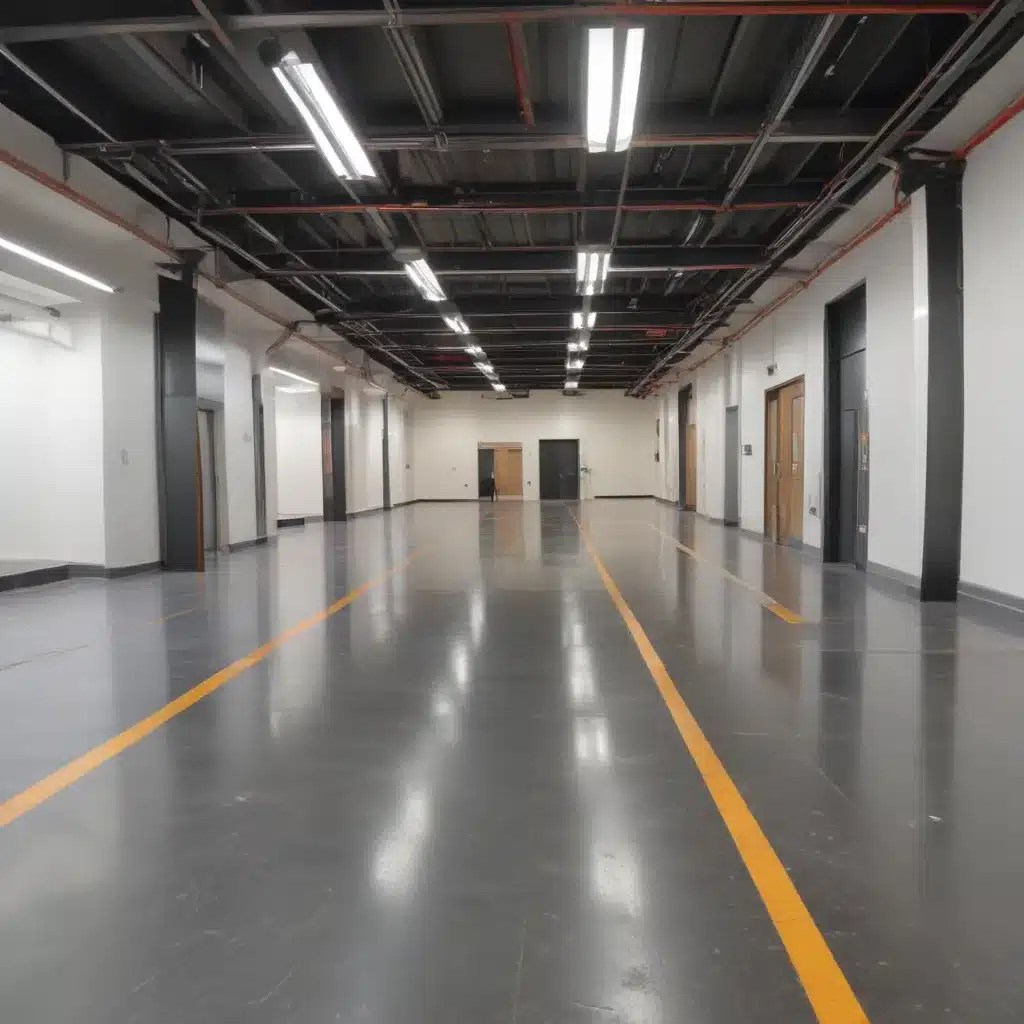
Raised access flooring has become an indispensable feature in modern commercial and office spaces, providing unparalleled flexibility, adaptability, and functionality. However, when it comes to highly sensitive environments such as data centers, healthcare facilities, or advanced research labs, the design and installation of raised flooring systems require a more specialized approach. In this comprehensive guide, we’ll explore innovative techniques and best practices for raised floor installations in these critical settings.
Structural Design and Load Capacity
The foundation of any successful raised flooring system lies in its structural integrity and load-bearing capacity. In sensitive environments, where the installation may need to support a wide range of specialized equipment, carefully considering these factors is crucial.
Load Capacity Considerations
When designing raised flooring systems for sensitive environments, it’s essential to assess the expected load requirements accurately. This includes not only the weight of the equipment but also the additional loads imposed by people, cabling, and any potential future modifications or expansions. Raised flooring panels with a higher load-bearing capacity (typically ranging from 1.5 to 4.5 kN/m²) are often necessary to ensure the safety and stability of the installation.
Pedestal Adjustment and Stability
Achieving a level and stable raised floor is paramount, as any unevenness or instability can negatively impact the performance of sensitive equipment. Raised floor pedestals must be precisely adjusted to maintain a consistent height, often with tolerances as tight as ±1 mm. Advanced pedestals with integrated leveling mechanisms and locking systems can help maintain this level of precision, even in environments with uneven subfloors.
Subfloor Preparation and Leveling
Ensuring a smooth and level subfloor is a critical preparatory step for any raised flooring installation, but it becomes even more crucial in sensitive environments. Extensive subfloor preparation, including concrete grinding, self-leveling compounds, and specialized grouting techniques, may be required to create a stable foundation for the raised floor system.
Underfloor Cable Management
Effective cable management is a key consideration in sensitive environments, where the integrity and organization of electrical, data, and communication networks are paramount.
Cabling and Duct Layouts
Organizing and routing cables and ducts within the raised floor plenum requires meticulous planning. Careful cable tray and duct placement can help maintain clear pathways, prevent congestion, and facilitate easy access for future modifications or maintenance.
Cable Routing and Access
In sensitive environments, the ability to easily access and manage underfloor cabling is crucial. Raised flooring systems with removable panels and strategically placed cable access points can simplify the process of adding, modifying, or maintaining cables without disrupting the overall operation of the space.
Electrical and Data Integration
Seamless integration of electrical and data services is a critical aspect of raised flooring installations in sensitive environments. Incorporating pre-wired floor panels, power and data outlets, and cable management accessories can help streamline the installation process and ensure compliance with relevant electrical and data regulations.
Environmental Factors
Maintaining optimal environmental conditions within sensitive environments is essential for the proper functioning and longevity of the installed equipment.
Temperature and Humidity Control
Raised flooring systems can play a crucial role in facilitating effective temperature and humidity control within sensitive spaces. The underfloor plenum can be utilized to house HVAC equipment and distribute conditioned air through strategically placed air diffusers, ensuring a stable and consistent environment.
Static Electricity Mitigation
In environments where static electricity can pose a threat to sensitive electronics, raised flooring systems with anti-static properties and grounding mechanisms are crucial. The use of conductive floor panels and bonded pedestals can help dissipate static buildup and protect equipment from potential damage.
Fire Safety and Regulatory Compliance
Raised flooring installations in sensitive environments must adhere to strict fire safety regulations, such as those outlined in the PSA and BSEN 12825 standards. Careful selection of fire-resistant materials, implementation of fire-stopping measures, and compliance with building codes are essential to ensure the safety and integrity of the entire system.
Sensitive Environment Applications
Raised flooring systems are widely used in a variety of sensitive environments, each with its own unique requirements and considerations.
Data Center Flooring Solutions
In data centers, where uptime and performance are critical, raised flooring systems must be designed to support the weight and cooling demands of server racks, networking equipment, and other mission-critical hardware. Incorporating cable management solutions, high-capacity pedestals, and advanced cooling strategies is crucial for optimal data center functionality.
Healthcare Facility Requirements
Raised flooring systems in healthcare environments, such as hospitals and medical research labs, must meet stringent hygiene and sterility standards. The use of antimicrobial and easy-to-clean flooring materials, along with seamless transitions and coved edges, can help maintain a clean and sterile environment.
Laboratory and Clean Room Specifications
Advanced research facilities, such as semiconductor fabs or nano-tech labs, often have the most demanding requirements for raised flooring systems. These environments may require vibration-isolation technologies, precision leveling, and specialized materials to ensure the stability and performance of sensitive equipment like electron microscopes or laser systems.
Installation Best Practices
Ensuring a successful raised flooring installation in sensitive environments requires a meticulous approach and adherence to best practices.
Subfloor Preparation Techniques
Proper subfloor preparation is essential for the long-term stability and performance of the raised flooring system. This may involve extensive concrete grinding, application of self-leveling compounds, and specialty grouting to create a smooth, level, and durable foundation.
Pedestal Placement and Alignment
Precise placement and alignment of the raised floor pedestals are critical to maintain a level and stable surface. Advanced pedestal locking mechanisms, laser-guided leveling tools, and specialized installation jigs can help achieve the required tolerances, even in large-scale installations.
Floor Panel Fitting and Finishing
The installation of the raised floor panels themselves requires careful attention to detail. Ensuring a tight and seamless fit between panels, using specialty cutting tools for precision trimming, and incorporating edge treatments can enhance the overall aesthetic and functionality of the system.
Maintenance and Accessibility
Maintaining the long-term performance and accessibility of raised flooring systems in sensitive environments is crucial.
Routine Inspection and Cleaning
Regular visual inspections, clean room-grade vacuuming, and specialized cleaning procedures can help prevent the buildup of dust, debris, or contaminants that could potentially impact the performance of sensitive equipment.
Panel Removal and Replacement
The ability to easily remove and replace individual raised floor panels is essential for conducting maintenance, upgrading equipment, or accessing the underfloor space. Raised flooring systems with quick-release mechanisms and standardized panel dimensions can facilitate these tasks with minimal disruption.
Underfloor Access and Modifications
In sensitive environments, the need to access the underfloor plenum for maintenance, cabling updates, or equipment modifications is an ongoing requirement. Raised flooring systems that offer ample clearance, strategically placed access points, and modular design can simplify these processes and minimize downtime.
Sustainable Design Considerations
As sustainability becomes an increasingly important factor in commercial and institutional construction, raised flooring systems are also evolving to meet these demands.
Recyclable and Eco-friendly Materials
The selection of recyclable, low-emission, and environmentally-friendly materials for raised flooring components, such as panels and pedestals, can contribute to the overall sustainability of the installation.
Energy-efficient Cooling Systems
Integrating energy-efficient HVAC technologies within the raised floor plenum can help optimize cooling and ventilation efficiency, reducing the overall energy consumption and environmental impact of the facility.
Modular and Adaptable Configurations
Raised flooring systems with modular and adaptable designs allow for easier reconfiguration, expansion, and repurposing of the space, aligning with the principles of sustainable construction and long-term flexibility.
Aesthetic and Customization Options
While functionality and performance are the primary considerations in sensitive environments, raised flooring systems can also be designed to enhance the overall aesthetic appeal of the space.
Flooring Surface Finishes
A wide range of surface finishes, including natural stone, wood, metal, and high-performance laminates, can be integrated into raised flooring systems to complement the desired design aesthetic.
Border and Edge Treatments
Incorporating custom border designs, integrated lighting, and seamless edge transitions can help create a cohesive and visually appealing integration of the raised flooring system within the surrounding environment.
Integrated Lighting and Branding
Some raised flooring systems offer the capability to integrate LED lighting within the panels, enabling creative lighting designs and the potential for branding or wayfinding applications.
By leveraging innovative techniques and best practices, raised flooring installations in sensitive environments can provide the necessary functionality, flexibility, and adaptability while also addressing the unique challenges and requirements of these critical spaces. By working closely with experienced raised flooring consultants, you can ensure that your project achieves the desired performance, compliance, and aesthetic outcomes. Visit Raised Flooring UK to learn more about our comprehensive solutions and services.Tip: Always verify floor load ratings with structural engineers