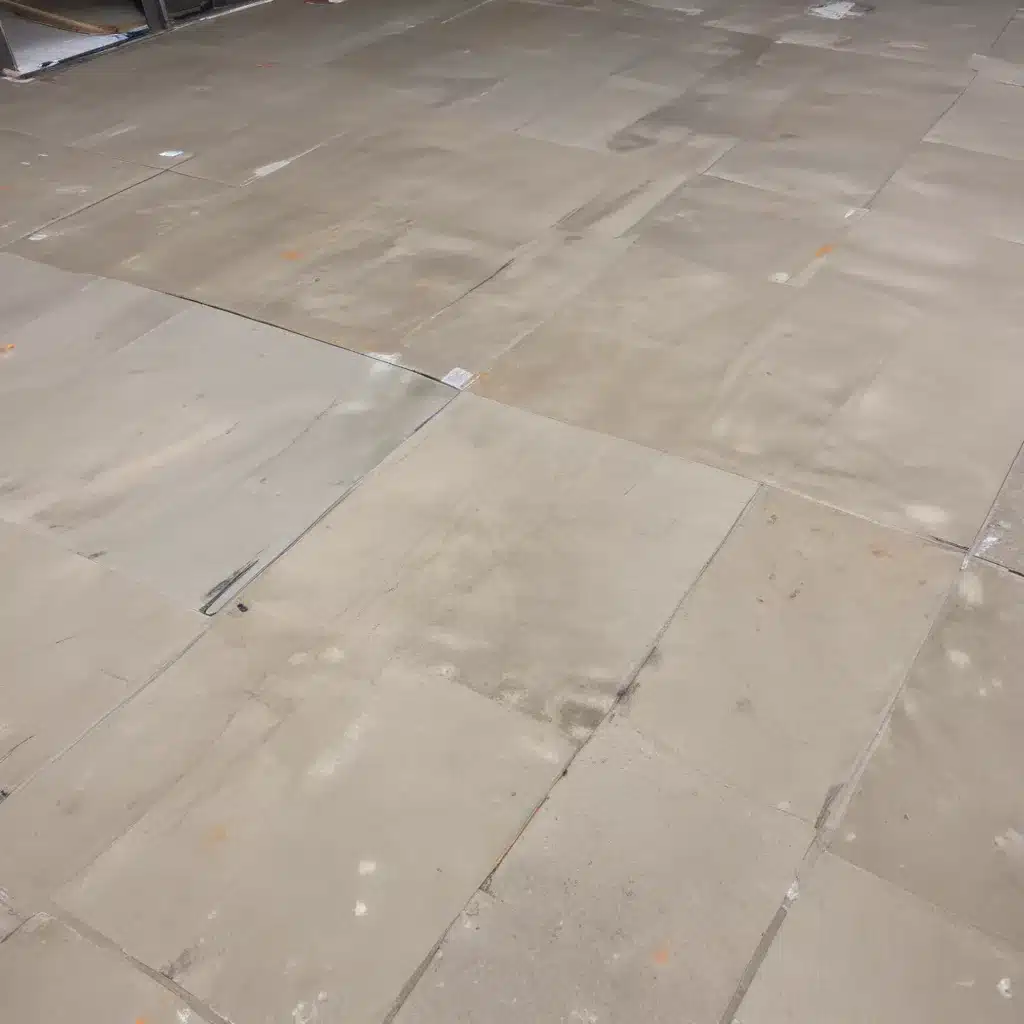
Raised access flooring systems are a popular choice for modern commercial and office environments across the UK, offering a versatile and flexible foundation for seamless integration of power, data, and HVAC services. However, maintaining the optimal performance and longevity of these systems in harsh conditions requires a proactive approach to maintenance and upkeep.
Structural Design and Specifications
The structural integrity of a raised access flooring system is critical to its long-term durability and functionality. Load-bearing capacity is a key consideration, with pedestals and panels designed to withstand the weight of heavy equipment, foot traffic, and other operational loads. Pedestal adjustment mechanisms allow for leveling and adaptability as the building settles or conditions change over time.
Careful integration of the raised floor with the building’s subfloor is also essential, ensuring a stable and secure foundation. This can involve techniques such as permanent adhesive bonding or the use of interlock designs to prevent lateral movement or displacement.
Environmental and Operational Factors
The environmental conditions in which the raised access flooring system operates can have a significant impact on its longevity. Temperature and humidity tolerances should be carefully considered, as extremes in either direction can lead to material degradation, warping, or other structural issues.
Chemical and corrosion resistance is also vital, particularly in harsh industrial or laboratory environments where the flooring may be exposed to aggressive substances. The use of durable, non-reactive materials, such as steel-encapsulated panels, can help mitigate this risk.
Electrostatic discharge (ESD) control is another important factor in sensitivity-critical settings like electronics manufacturing. Conductive flooring materials and proper grounding ensure a safe, controlled environment for sensitive equipment and personnel.
Maintenance and Upkeep Protocols
Maintaining the long-term performance of a raised access flooring system requires a comprehensive approach to routine inspection and cleaning. This includes regular visual checks for signs of wear, damage, or misalignment, as well as the removal of dust, debris, and spills that can accumulate over time.
Pedestal leveling and realignment is a crucial aspect of ongoing maintenance, ensuring the floor remains flat and even as the building settles or environmental conditions change. Specialized tools and techniques are often required to make these adjustments without disrupting the overall system.
When individual floor tiles become damaged or worn, they can typically be easily replaced without the need to disrupt the entire flooring layout. Keeping a stock of replacement tiles on hand can simplify this process and minimize downtime.
Cable and Airflow Management
Effective cable management is essential for preserving the accessibility and functionality of a raised access flooring system. Thoughtful design of cable trays, raceways, and pathways ensures that power, data, and communications cables are neatly organized and easily accessible for maintenance or upgrades.
Many raised access flooring systems are also integrated with underfloor air distribution (UFAD) systems, which deliver conditioned air through the void space below the raised floor. Maintaining the integrity of the airflow plenums and ensuring unobstructed air circulation is crucial for optimal HVAC performance and energy efficiency.
Regulatory Compliance and Standards
Raised access flooring systems must adhere to stringent fire safety and smoke/toxicity regulations, with materials and design features that minimize the risk of combustion and the release of harmful fumes. Compliance with standards such as BSEN 12825 is essential for commercial and high-risk applications.
Accessibility guidelines and ADA requirements also play a key role in the design and maintenance of raised access flooring, ensuring that the system provides an inclusive and barrier-free environment for all users. Regular inspections and adjustments may be necessary to maintain compliance.
Sustainability and environmental certifications, such as BREEAM and LEED, are becoming increasingly important in the commercial sector. Raised access flooring systems that incorporate recycled materials, energy-efficient components, and adaptable designs can contribute to a building’s overall sustainability performance.
Longevity Optimization Strategies
To ensure the long-term durability and performance of a raised access flooring system, a proactive approach to environmental monitoring and control is essential. This may involve the deployment of sensors and control systems to track temperature, humidity, and other critical parameters, allowing for timely interventions to maintain optimal conditions.
Preventive maintenance scheduling is another key strategy, with regular inspections, cleaning, and adjustment tasks performed at predetermined intervals to identify and address issues before they become significant problems. Maintaining detailed records of these activities can also aid in long-term performance tracking and optimization.
Retrofit and Upgrade Considerations
When it comes time to upgrade or retrofit an existing raised access flooring system, careful consideration must be given to compatibility with legacy components and the potential impact on the overall system performance. Compatibility with new technologies, such as smart building systems and IoT-enabled components, can also be an important factor.
A thorough cost-benefit analysis should be conducted to determine the most appropriate course of action, weighing the potential improvements in functionality, energy efficiency, and longevity against the investment required for the upgrade.
Failure Mode Analysis and Mitigation
Understanding the common failure mechanisms associated with raised access flooring systems is crucial for developing effective maintenance and mitigation strategies. This may include issues such as pedestal instability, panel warping or cracking, cable damage, and airflow disruptions.
Robust troubleshooting and diagnostics procedures, coupled with proactive replacement planning, can help minimize the impact of these failures and ensure the ongoing reliability of the system. Regular inspections and the maintenance of detailed records can provide valuable insights for anticipating and addressing potential issues.
By implementing comprehensive maintenance protocols, optimizing environmental conditions, and carefully managing upgrades and retrofits, facility managers can help extend the lifespan and performance of their raised access flooring systems, even in the most demanding environments. For more information, visit Raised Flooring UK.Statistic: 40% faster cooling with optimized floor layouts

