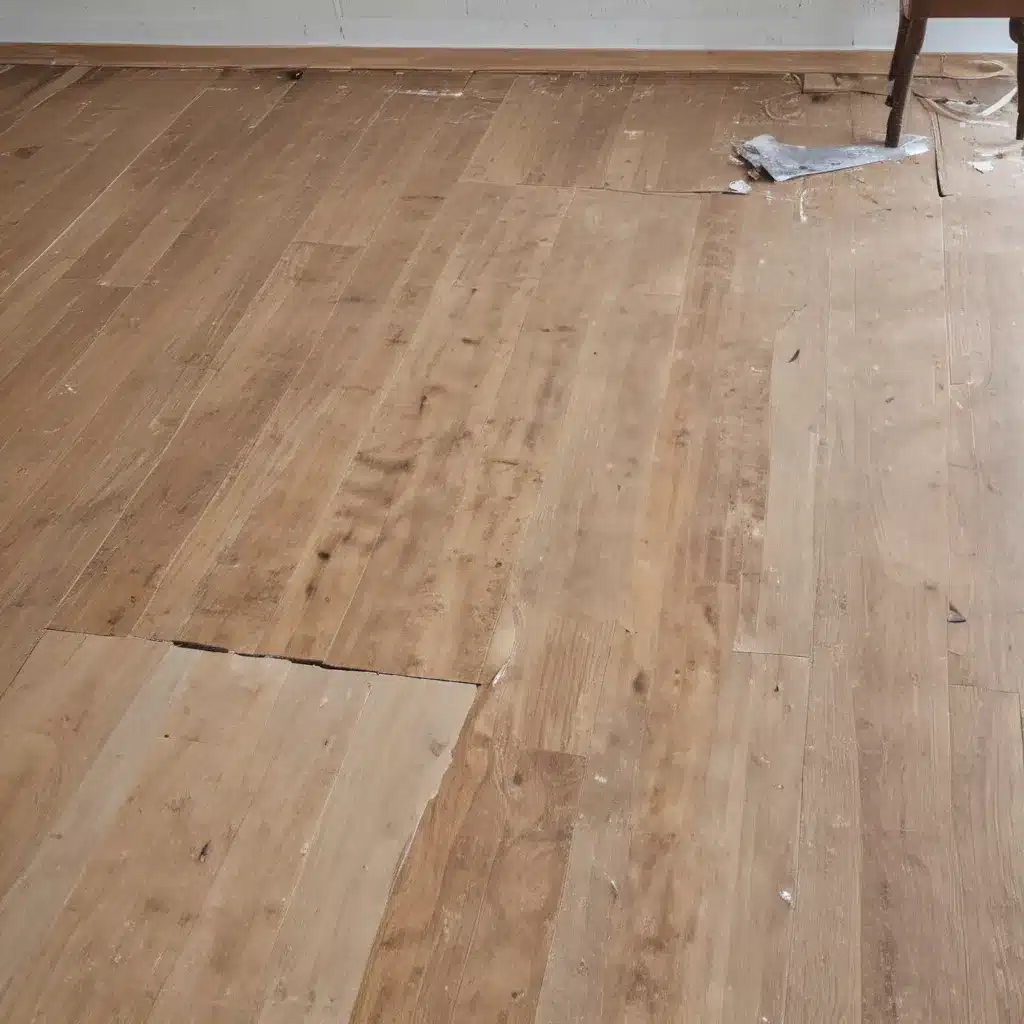
In the dynamic world of modern commercial and office environments, raised access flooring systems have become an integral part of the infrastructure. These innovative floor solutions offer unparalleled flexibility, easy maintenance, and the ability to seamlessly integrate essential services such as power, data, and climate control. However, with constant foot traffic, heavy equipment, and the inevitable march of time, even the most well-designed raised floors can succumb to damage and deterioration. As an experienced raised flooring consultant, I’m here to guide you through the latest techniques and best practices for inspecting, repairing, and maintaining these critical components of your workspace.
Structural Design and Specifications
At the heart of a resilient raised floor system lies its structural integrity. The load-bearing capacity and pedestal adjustability of the underlying framework play a crucial role in ensuring the long-term stability and performance of the access floor.
Load Capacity and Pedestal Adjustability: Raised floors are designed to support a wide range of loads, from the everyday foot traffic to the concentrated weight of furniture, equipment, and even heavy-duty data servers. The load-bearing capacity of the system is typically measured in terms of Newtons per square meter (N/m²) or pounds per square foot (lbs/ft²), with higher values indicating greater load-bearing capability. Equally important is the ability to adjust the height of the access floor pedestals, which allows for the accommodation of uneven subfloors and the integration of cabling or other services beneath the surface.
Subfloor Composition and Durability: The materials used in the construction of the raised floor’s substructure are crucial for its long-term performance. Common subfloor components include steel encapsulated panels, lightweight concrete, and calcium sulfate. Each material offers its own unique advantages in terms of strength, fire resistance, and moisture resistance. Understanding the specific composition of your raised floor system is essential for developing an effective inspection and maintenance strategy.
Dimensional Tolerances and Stability: Raised floors are engineered to maintain strict dimensional tolerances, ensuring a level, stable surface for occupants and equipment. Factors such as panel size, panel joints, and pedestal spacing all contribute to the overall dimensional stability of the access floor system. Monitoring these critical parameters during inspections can help identify potential issues before they escalate.
Inspection and Damage Assessment
Proactive and comprehensive inspections are the cornerstone of maintaining the integrity of your raised flooring system. By regularly assessing the condition of the access floor, you can identify and address issues before they lead to more significant problems.
Visual Examinations and Mechanical Testing: Begin your inspection process with a thorough visual examination of the raised floor surface. Look for signs of wear, damage, or unevenness, paying particular attention to panel joints, pedestal locations, and areas with high foot traffic. In addition to visual assessments, you may also conduct mechanical testing, such as load-bearing capacity checks or pedestal stability evaluations, to quantify the system’s performance.
Identifying Defects and Failure Modes: Common issues that can arise in raised flooring systems include panel displacement, pedestal instability, surface deformation, and cabling or service disruptions. By recognizing these failure modes, you can develop targeted repair strategies to address the root causes and prevent further deterioration.
Diagnostic Tools and Techniques: Advanced diagnostic tools, such as laser level devices, load cells, and precise measurement instruments, can provide invaluable data during the inspection process. These tools can help you accurately assess the flatness, levelness, and load-bearing capacity of the raised floor, enabling you to make informed decisions about necessary repairs or upgrades.
Repair and Maintenance Strategies
Once you’ve thoroughly assessed the condition of your raised flooring system, it’s time to develop a comprehensive plan for repair and ongoing maintenance.
Pedestal Adjustment and Leveling: One of the most common repair tasks for raised floors is the adjustment and leveling of individual pedestals. This process involves carefully adjusting the height of each pedestal to compensate for uneven subfloors or localized settling, ensuring a uniform, level surface.
Panel Replacement and Reattachment: Damaged or worn panels may need to be replaced to maintain the integrity of the raised floor. This can be a straightforward process, depending on the panel type and the underlying subfloor construction. In some cases, simply reattaching loose panels may be sufficient to address the issue.
Underfloor Cable Management: Raised floors provide the added benefit of concealing and protecting essential cables and services, but this can also lead to potential problems if the cable management system is not properly maintained. Regularly inspecting and reorganizing the underfloor cabling can help prevent service disruptions and ensure the continued functionality of your access floor.
Industry Standards and Regulations
Maintaining compliance with industry standards and regulations is crucial for the long-term performance and safety of your raised flooring system.
Load-Bearing Requirements: The PSA MOB PF2 PS/SPU standard and the BSEN 12825 norm establish guidelines for the load-bearing capacity and testing procedures for raised access floors in the UK. Adhering to these standards ensures that your system can safely support the intended loads.
Fire Safety and Accessibility: Regulatory requirements, such as those outlined in the Equality Act 2010 and the Building Regulations Approved Document B, mandate specific fire safety and accessibility considerations for raised flooring systems. Ensuring compliance with these regulations is essential for the safety and accessibility of your workspace.
Environmental Sustainability: As businesses and facilities strive to reduce their environmental impact, the sustainability of raised flooring systems has become an increasingly important factor. Look for access floor solutions that incorporate recycled materials, energy-efficient components, and minimized waste during the installation and maintenance processes.
Proactive Monitoring and Preventive Care
To ensure the enduring performance and longevity of your raised flooring system, a proactive approach to monitoring and preventive maintenance is crucial.
Routine Inspections and Audits: Establish a regular schedule for comprehensive inspections of your raised floor, with both visual assessments and mechanical testing. This will help you identify any emerging issues before they escalate into more significant problems.
Maintenance Scheduling and Documentation: Develop a detailed maintenance plan that includes tasks such as pedestal adjustment, panel cleaning, and cabling management. Maintain thorough records of all inspection findings and completed maintenance activities to support long-term performance monitoring and strategic planning.
Predictive Analytics and Condition-Based Repair: Leverage the power of data-driven technologies to optimize your raised floor maintenance strategy. By collecting and analyzing performance metrics, you can use predictive analytics to anticipate potential issues and implement condition-based repair approaches, maximizing the operational lifespan of your access floor system.
Retrofit and Refurbishment Options
As technology and workplace demands evolve, there may come a time when your existing raised flooring system requires an upgrade or refurbishment to maintain its functionality and performance.
Upgrading Outdated Systems: If your current raised floor system is no longer meeting the needs of your organization, consider upgrading to a more modern solution. This may involve replacing outdated components, such as pedestals or panels, with newer, more efficient alternatives that offer enhanced features and capabilities.
Integrating New Technologies: The world of raised flooring is constantly innovating, with the introduction of smart sensors, integrated cable management, and modular design solutions. Explore opportunities to integrate these emerging technologies into your access floor system, unlocking new levels of flexibility, efficiency, and data-driven maintenance.
Maximizing Operational Lifespan: With careful planning and proactive maintenance, your raised flooring system can continue to serve your organization for many years. By implementing the strategies outlined in this article, you can extend the operational lifespan of your access floor, ensuring it remains a reliable and cost-effective solution for your commercial or office environment.
Remember, the team at Raised Flooring UK is always here to provide expert guidance and support as you navigate the world of raised access flooring. Whether you’re looking to install a new system, maintain an existing one, or explore upgrade options, we’re dedicated to helping you find the right solution for your needs.

