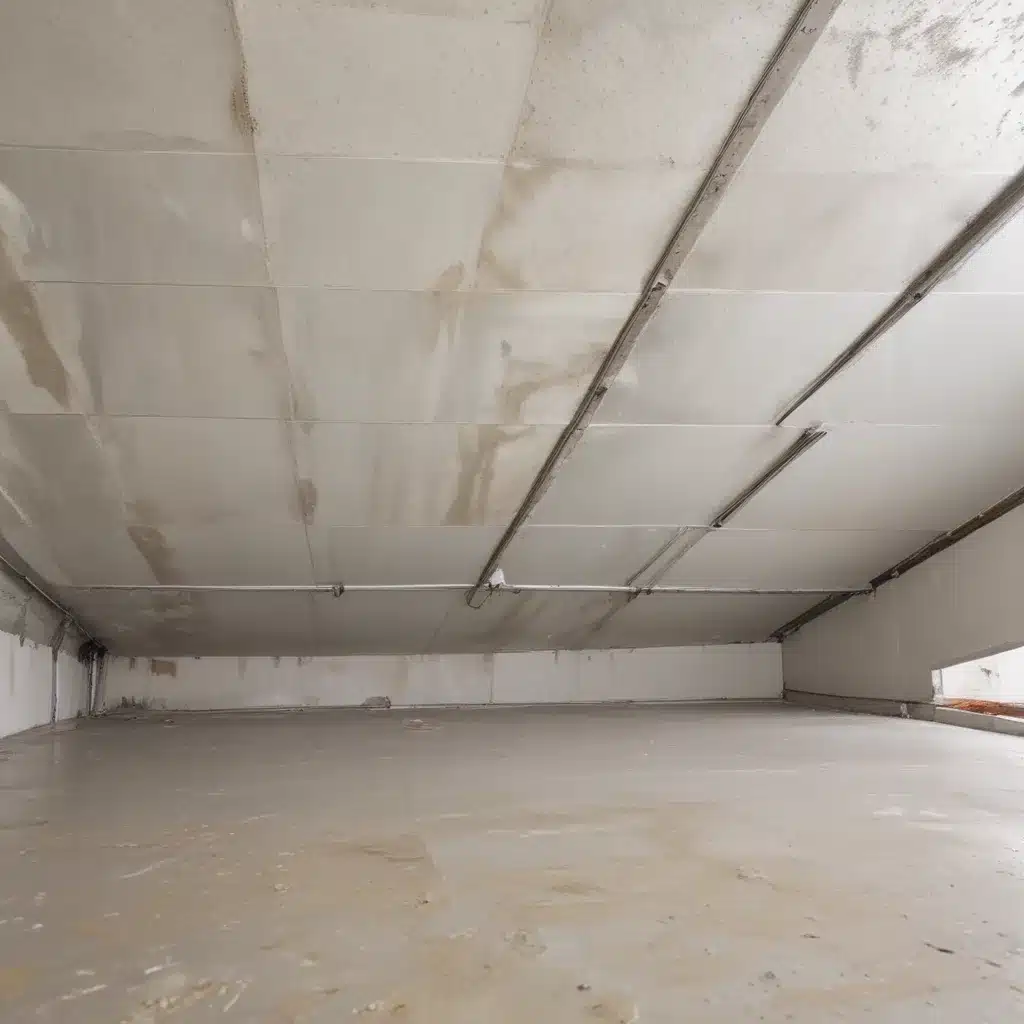
Preventing Moisture Damage, Mould Growth, and Condensation in Raised Floor Cavities
As an experienced raised flooring consultant, I’ve seen firsthand the significant impact that moisture and mould can have on the performance and longevity of commercial raised access flooring systems. In this comprehensive guide, I’ll delve into the key strategies and best practices for preventing moisture-related issues in the critical cavity space beneath your raised floors.
Raised Access Flooring System
Structural Components
Raised access flooring is a popular choice for modern commercial and office environments, offering a flexible, adaptable, and technologically-advanced flooring solution. At the core of this system are several key structural components that play a crucial role in maintaining a healthy, moisture-free environment.
Load Capacity
The load-bearing capacity of the raised access floor is a critical factor in determining its suitability for a particular application. Panels and pedestals must be engineered to safely support the expected static and dynamic loads, including the weight of people, furniture, and equipment. Improper load rating can lead to panel deflection, pedestal instability, and ultimately, increased risk of moisture-related issues.
Pedestal Adjustment
The access floor pedestals that support the raised panels are designed with adjustment mechanisms to accommodate uneven subfloors and maintain a level surface. Proper pedestal installation and adjustment is essential to prevent the creation of low spots that can accumulate water and facilitate mould growth.
Panel Composition
The panels themselves can be constructed from a variety of materials, including steel-encapsulated, calcium sulphate, or wooden cores. The choice of panel type can have a significant impact on moisture resistance, with steel-encapsulated panels generally offering superior protection against water ingress and mould proliferation.
Subfloor Ventilation
One of the primary strategies for controlling moisture and preventing mould in raised floor cavities is to ensure effective subfloor ventilation.
Airflow Optimization
By designing the raised floor system to maximize airflow within the cavity, you can promote the natural evaporation of any moisture that may accumulate. This can be achieved through the strategic placement of air supply and return grilles, as well as the use of perforated or grated panels to facilitate air circulation.
Humidity Control
Maintaining appropriate humidity levels within the raised floor cavity is crucial. Excessively high humidity can lead to condensation, while overly dry conditions can cause static electricity issues. Incorporating dehumidification or humidity control systems can help strike the right balance and prevent moisture-related problems.
Condensation Prevention
Careful consideration of thermal insulation and vapour barriers is essential to prevent the formation of condensation on the underside of the raised floor panels or within the cavity. Proper insulation can help maintain a consistent temperature and dew point, reducing the risk of condensation.
Cable Management
The ability to easily route and access cabling and services is a key benefit of raised access flooring systems. Proper cable management also plays a role in moisture control.
Cable Raceways
Cable raceways or trays within the raised floor cavity provide a defined pathway for cables and services, helping to maintain a clutter-free and well-organized environment. This can improve airflow and prevent the accumulation of dust and debris that can harbour moisture and mould.
Accessibility and Flexibility
The accessibility and flexibility afforded by raised flooring systems allow for easier inspection, maintenance, and remediation of any moisture-related issues that may arise. This can be a significant advantage compared to traditional flooring systems.
Electromagnetic Shielding
Some raised access flooring systems incorporate electromagnetic shielding features, which can be beneficial in protecting sensitive electronic equipment from interference. This shielding can also help to prevent condensation by maintaining a more stable thermal environment within the cavity.
Environmental Considerations
Beyond the structural components and subfloor design, there are several environmental factors that must be taken into account when addressing moisture and mould concerns in raised floor cavities.
Thermal Insulation
Proper thermal insulation of the raised floor cavity, as well as the subfloor and surrounding building envelope, is essential to maintain a stable temperature and prevent the formation of condensation. This can involve the use of insulating materials, such as rigid foam panels or spray-applied insulation.
Acoustic Performance
The raised floor cavity can also play a role in the acoustic performance of the overall space. Careful consideration of sound-absorbing materials and design strategies can help to mitigate noise transmission while also addressing moisture and mould concerns.
Accessibility Compliance
In the UK, raised access flooring systems must adhere to accessibility compliance standards, such as those outlined in BSEN 12825. Ensuring that the system meets these requirements can help to create a safe and inclusive environment, while also addressing potential moisture and mould issues.
Moisture and Mould Control
Directly addressing the root causes of moisture and mould is a critical aspect of raised floor system design and maintenance.
Vapor Barriers
The incorporation of vapour barriers within the raised floor cavity, or at the subfloor level, can help to prevent the ingress of moisture from the surrounding environment. These barriers can be made of materials such as polyethylene sheeting or specialized membranes.
Drainage Systems
Strategically placed drainage systems within the raised floor cavity can help to quickly remove any water that may accumulate, preventing the conditions necessary for mould growth. This can involve the installation of perimeter drains, floor slopes, or other water management solutions.
Mould Mitigation Strategies
In the event of mould growth within the raised floor cavity, it’s essential to address the issue promptly. This may involve the use of biocides or other antimicrobial treatments, as well as the removal and replacement of affected components. Proper personal protective equipment and containment procedures should be followed during the remediation process.
Inspection and Maintenance
Ongoing inspection and maintenance of the raised access flooring system is crucial to identify and address any moisture-related issues before they escalate.
Periodic Assessments
Regular inspections of the raised floor cavity, including visual checks for signs of water infiltration, mould growth, or structural issues, can help to proactively identify and address any problems.
Cleaning and Disinfection
Routine cleaning and disinfection of the raised floor cavity, using appropriate cleaning agents and techniques, can help to prevent the buildup of dust, debris, and biological contaminants that can contribute to moisture and mould issues.
Repair and Replacement
In the event of damage or deterioration of the raised floor components, prompt repair or replacement is essential to maintain the system’s moisture-resistance and overall integrity.
Regulatory Compliance
Raised access flooring systems in the UK must adhere to various regulatory and industry standards to ensure safety, performance, and environmental responsibility.
Building Codes
Compliance with relevant building codes, such as those outlined in the Building Regulations, is mandatory for the installation and use of raised access flooring systems.
Fire Safety Standards
Raised floors must also meet fire safety standards, including those outlined in BSEN 13501-1, to ensure the protection of building occupants in the event of a fire.
Sustainability Guidelines
Increasingly, there is a focus on the environmental sustainability of raised access flooring systems, with considerations around the use of recycled materials, energy efficiency, and end-of-life disposal.
Benefits of Raised Access Flooring
By addressing the key considerations around moisture, mould, and condensation, raised access flooring systems can offer a range of benefits to commercial and office environments in the UK.
Flexible Infrastructure
The flexibility and adaptability of raised access flooring allow for easy modifications and reconfiguration of the space, enabling efficient responses to changing business needs and technological advancements.
Efficient HVAC Integration
The raised floor cavity provides an ideal space for the integration of HVAC systems, allowing for the efficient distribution of conditioned air and the effective management of moisture and humidity levels.
Enhanced Accessibility
Raised access flooring, when properly designed and maintained, can contribute to improved accessibility for building occupants, aligning with the requirements outlined in BSEN 12825 and other relevant standards.
By proactively addressing moisture, mould, and condensation concerns in raised floor cavities, facilities managers and commercial building owners in the UK can ensure the long-term performance, functionality, and safety of their raised access flooring systems. Through a combination of strategic design, diligent maintenance, and regulatory compliance, you can create a healthy, reliable, and adaptable flooring infrastructure that meets the evolving needs of modern commercial spaces.

