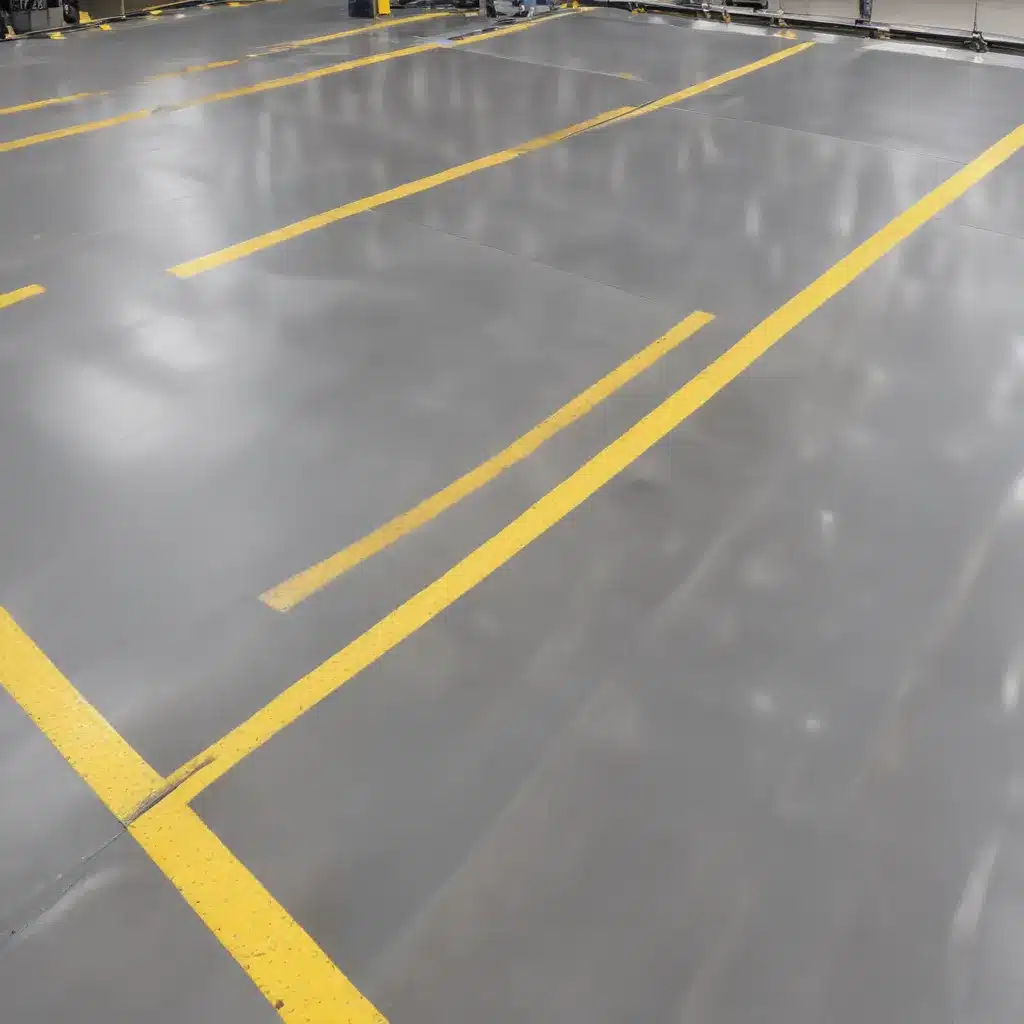
As the UK’s logistics sector continues to evolve, driven by the rapid growth of e-commerce and the increasing adoption of automation, the demands on warehouse infrastructure have never been more critical. At the heart of this transformation lies the pivotal role of raised access flooring systems, which provide the foundation for optimizing workflows, enhancing environmental control, and future-proofing operations.
Structural Design and Performance
The foundation of an efficient logistics facility begins with a robust and adaptable flooring system. Raised access flooring offers a versatile solution that can be tailored to meet the unique demands of modern warehousing and distribution centers.
Load Capacity
One of the key considerations in logistics facilities is the load-bearing capacity of the flooring system. Warehouses must be able to accommodate the weight of heavy-duty material handling equipment, racking systems, and high-density storage. Raised access floors are engineered to provide exceptional load-bearing capabilities, often exceeding 1000 kg/m² to ensure safety and stability even under the most demanding operational conditions.
Pedestal Adjustment
Uneven subfloors can pose significant challenges in logistics environments, leading to difficulties with equipment navigation, product damage, and safety hazards. Raised access flooring systems overcome this obstacle through the use of adjustable pedestals, which allow for precise leveling and alignment of the floor panels. This ensures a flat and level surface that can seamlessly integrate with automated material handling systems and robotic operations.
Subfloor Clearance
The clearance provided by raised access flooring is another critical factor in logistics facilities. This subfloor void allows for the efficient routing of essential services, such as electrical cabling, data networks, and even HVAC systems. By separating these services from the primary work area, logistics operators can maintain a clean, organized, and uncluttered workspace, optimizing both safety and productivity.
Operational Efficiency
Raised access flooring systems are designed to enhance the operational efficiency of logistics facilities, enabling greater flexibility, improved service integration, and enhanced environmental performance.
Cable and Service Routing
The subfloor void created by raised access flooring provides an ideal pathway for the installation and management of electrical, data, and communication cables. This easy access to essential services allows for efficient maintenance, upgrades, and modifications, minimizing disruptions to ongoing operations.
Modular Flexibility
Logistics facilities must be adaptable to accommodate changing workflow requirements, product mixes, and technological advancements. Raised access flooring systems offer a modular and reconfigurable design, enabling logistics operators to quickly and cost-effectively adapt their facilities to meet evolving needs. Panels can be easily removed, relocated, or replaced, allowing for seamless integration of new material handling equipment or storage solutions.
Thermal and Acoustic Performance
The subfloor void created by raised access flooring also plays a crucial role in enhancing the environmental performance of logistics facilities. This thermal insulation helps to regulate temperature and humidity, reducing the energy demands of HVAC systems and ensuring a comfortable working environment for employees. Furthermore, the acoustic properties of raised access flooring can help mitigate noise levels, creating a more productive and safer workspace.
Regulatory Compliance
Logistics facilities must adhere to a range of building codes and regulatory standards to ensure the safety, sustainability, and compliance of their infrastructure. Raised access flooring systems are designed to meet these stringent requirements, providing a reliable and compliant foundation for operations.
Building Codes and Standards
In the UK, logistics facilities must comply with various regulations, such as the Building Regulations 2010 and the BSEN 12825 standard for raised access floors. These guidelines establish benchmarks for factors like load-bearing capacity, fire safety, and accessibility, which are all addressed by high-quality raised access flooring systems.
Fire Safety Ratings
Logistics facilities face unique fire safety challenges due to the large open spaces, high storage volumes, and presence of flammable materials. Raised access flooring systems can be engineered to meet or exceed fire safety ratings, incorporating non-combustible materials and integrated fire detection and suppression systems to safeguard both personnel and assets.
Sustainable Design Considerations
As environmental sustainability becomes an increasingly important priority for the logistics industry, raised access flooring systems are evolving to incorporate eco-friendly design features. This includes the use of recyclable materials, energy-efficient components, and water management solutions that minimize the carbon footprint of logistics facilities.
Technological Advancements
The rapidly evolving landscape of logistics has driven significant innovations in raised access flooring systems, enabling logistics operators to leverage the latest materials, pedestal designs, and integrated services.
Flooring Panel Materials
Traditional raised access flooring panels were often made of steel-encapsulated particleboard, which offered good structural integrity but could be susceptible to moisture and wear over time. High-density composite panels and lightweight aluminum options have emerged as more durable and resilient alternatives, providing enhanced durability, moisture resistance, and static control characteristics.
Pedestal Systems
Raised access flooring pedestals have also undergone significant advancements. Adjustable-height designs allow for precise leveling, while self-leveling pedestals can automatically compensate for uneven subfloors, further streamlining the installation process. These innovative pedestal systems ensure a consistently flat and level surface that can seamlessly integrate with automated material handling equipment and robotic systems.
Integrated Services
Modern raised access flooring systems are increasingly incorporating integrated service modules, enabling the seamless integration of electrical, data, and even HVAC components within the subfloor void. This streamlined approach simplifies installation, reduces the risk of service disruptions, and facilitates future upgrades or modifications to the facility’s technological infrastructure.
Benefits in Logistics Facilities
By leveraging the latest advancements in raised access flooring, logistics operators in the UK can unlock a wealth of benefits that enhance operational efficiency, environmental control, and future-proofing capabilities.
Improved Workflow Optimization
The modular and reconfigurable design of raised access flooring allows logistics facilities to adapt their layouts and workflows to meet evolving needs. This flexible space planning enables the seamless integration of new material handling equipment, storage solutions, and automation technologies, optimizing the use of available space and improving overall productivity.
Enhanced Environmental Control
The subfloor void created by raised access flooring systems plays a crucial role in regulating the environmental conditions within logistics facilities. By managing temperature and humidity levels, logistics operators can ensure optimal working conditions for both personnel and sensitive inventory. Additionally, the dust and contaminant mitigation capabilities of raised access flooring help maintain a clean and hygienic work environment, reducing the risk of product damage or contamination.
Future-Proofing Infrastructure
As the logistics industry continues to embrace automation and technological advancements, raised access flooring systems offer a future-proof solution that can readily adapt to changing needs. The scalable capacity and modular design of these systems allow logistics facilities to easily accommodate the integration of new automation technologies, such as autonomous mobile robots (AMRs) and automated storage and retrieval systems (ASRS), without the need for major infrastructure overhauls.
By leveraging the latest advancements in raised access flooring, UK logistics facilities can optimize operational efficiency, enhance environmental control, and future-proof their infrastructure to stay ahead in the rapidly evolving logistics landscape. As the industry continues to embrace automation and technological innovation, raised access flooring systems will play an increasingly pivotal role in enabling logistics operators to meet the demands of the modern supply chain. To learn more about how raised access flooring can transform your logistics operations, visit raised-flooring.co.uk.

