As an experienced raised flooring consultant, I’ve witnessed firsthand how a proactive maintenance approach can dramatically extend the lifespan of access flooring systems in UK commercial buildings. These modular flooring solutions offer unparalleled flexibility, scalability, and operational efficiency – but only when they are properly cared for over the long term.
In this comprehensive guide, I’ll outline the key steps, best practices, and cutting-edge technologies that facility managers and building owners can leverage to ensure their raised access floors remain in peak condition for decades to come. From detailed inspection protocols to predictive maintenance strategies, you’ll learn how to maximize the return on your investment in this critical building infrastructure.
Maintaining Structural Integrity
The foundation of any resilient raised flooring system is its structural components – the subfloor, pedestals, and interlocking panels. Diligent maintenance of these elements is essential to preserving the system’s load-bearing capacity, stability, and longevity.
Subfloor Preparation and Leveling
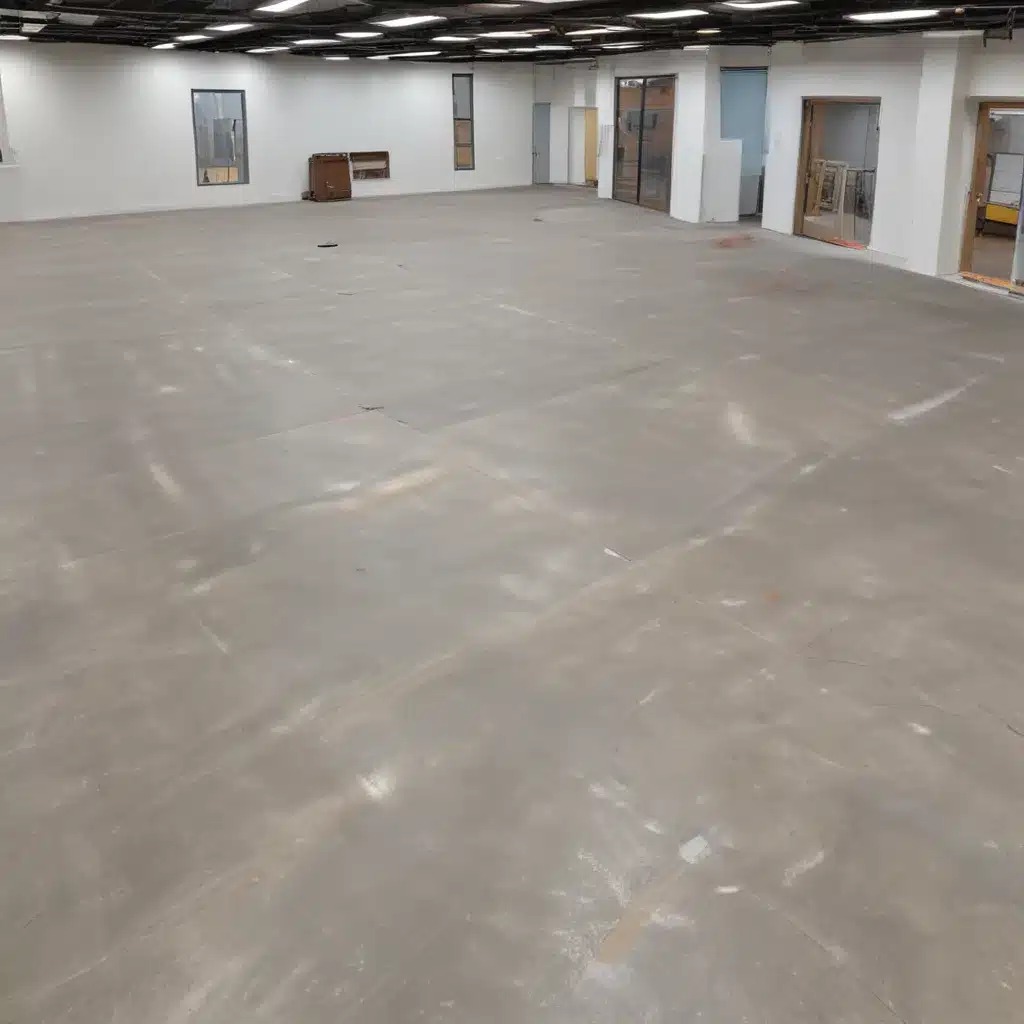
Proper subfloor preparation is crucial for the long-term performance of a raised access floor. Before installation, the underlying concrete or structural surface must be meticulously leveled to ensure even load distribution and pedestal alignment. Any unevenness or imperfections in the subfloor can lead to uneven settling, panel distortion, and eventual failure.
Regular inspections should be conducted to identify and address any subfloor issues, such as cracks, heaving, or uneven wear. Resurfacing or leveling compounds may be required to restore a flat, uniform base for the access floor system.
Pedestal Maintenance
The adjustable pedestals that support the raised floor panels are another critical component requiring diligent upkeep. Periodic inspections should check for any loosening, corrosion, or damage to the pedestal mechanisms, ensuring they maintain their structural integrity and height adjustability.
In addition, the pedestal bases must remain firmly anchored to the subfloor. Any shifting or instability in the pedestals can compromise the overall stability of the access floor, leading to uneven surfaces and potential safety hazards.
Panel Integrity
The interlocking floor panels themselves are the final link in the structural chain. Maintaining the panels’ structural soundness is essential to preserving the system’s load-bearing capacity and minimizing the risk of cracking or deformation.
Regular visual inspections should check for any signs of damage, such as chips, cracks, or uneven wear on the panel surfaces and edges. Any compromised panels should be promptly repaired or replaced to prevent further degradation of the entire access floor.
Optimizing Environmental Performance
Raised access flooring systems operate in a variety of environmental conditions, from controlled office spaces to more demanding industrial or laboratory settings. Tailoring maintenance protocols to the specific environmental factors is crucial for extending the system’s lifespan.
Temperature and Humidity Control
Extreme temperatures and significant humidity fluctuations can adversely impact the structural integrity and dimensional stability of access floor components. Maintaining the recommended temperature and humidity levels within the building is essential to prevent warping, cracking, or other forms of material degradation.
Regular monitoring and adjustment of HVAC systems, along with strategic placement of dehumidifiers or humidifiers, can help ensure the access floor operates within its optimal environmental parameters.
Electrostatic Discharge (ESD) Management
In specialized facilities such as data centers or electronics manufacturing, the ability to control electrostatic discharge is a critical performance requirement. Proper grounding of the access floor system, as well as routine testing and maintenance of the ESD-control measures, is essential to safeguarding sensitive equipment and preventing system malfunctions.
Regulatory Compliance
Raised access floors in the UK must adhere to specific performance standards and building regulations, such as the BSEN 12825 norm. Ongoing inspections and testing should be conducted to ensure the system continues to meet these compliance requirements, which often include load-bearing capacity, fire resistance, and emissions control.
Failing to maintain regulatory compliance can not only compromise the long-term viability of the access floor but also expose the building owner to potential legal and financial liabilities.
Implementing Proactive Maintenance Strategies
Transitioning from a reactive, repair-based approach to a proactive maintenance mindset is the key to maximizing the lifespan of raised access flooring systems. By adopting a comprehensive maintenance protocol, facility managers can identify and address potential issues before they escalate into costly failures.
Routine Inspections and Cleaning
Regular, scheduled inspections of the access floor system are the foundation of any proactive maintenance program. These inspections should cover the structural components, environmental conditions, and overall system performance, with particular attention paid to high-traffic or high-risk areas.
In addition to visual inspections, the access floor should be thoroughly cleaned on a periodic basis to remove any accumulated dust, debris, or spills that could compromise the system’s functionality. Proper cleaning techniques, such as the use of anti-static cleaning solutions, can help maintain the floor’s appearance and performance.
Damage Assessment and Repair
Despite best efforts, access floors may occasionally sustain damage, whether through normal wear and tear or unexpected events. Implementing a robust damage assessment and repair protocol is crucial to address these issues before they escalate.
Building owners and facility managers should establish clear processes for identifying, reporting, and remediating any damage to the access floor system. This may include establishing a dedicated maintenance team or partnering with specialized access flooring contractors to ensure prompt and effective repairs.
Replacement Planning
While a well-maintained raised access floor can last for decades, there will come a time when the system requires partial or complete replacement. Proactive planning for these lifecycle events is essential to minimize disruption and ensure a seamless transition to a new access flooring solution.
Facility managers should regularly assess the condition of the access floor, factoring in factors such as age, usage patterns, and the availability of replacement components. This information can then be used to develop a long-term replacement strategy, allowing for budgeting and scheduling that aligns with the building’s operational needs.
Leveraging Advanced Maintenance Technologies
The world of raised access flooring maintenance has been transformed by the integration of cutting-edge technologies, enabling facility managers to adopt a more proactive, data-driven approach to system upkeep.
Automated Monitoring and Fault Detection
Internet of Things (IoT) sensors and smart building software can now be seamlessly integrated with raised access flooring systems to provide real-time monitoring and fault detection. These technologies can track critical performance indicators, such as load distribution, temperature, humidity, and even potential structural issues, and automatically alert facility managers to any anomalies or impending failures.
By leveraging these advanced monitoring capabilities, building owners can transition from a reactive maintenance model to a predictive one, addressing problems before they disrupt operations or compromise the system’s integrity.
Maintenance Management Systems
Comprehensive Computerized Maintenance Management Systems (CMMS) are revolutionizing the way facility managers approach access floor upkeep. These software platforms provide a centralized hub for scheduling inspections, documenting maintenance activities, and tracking the performance of the access floor system over time.
CMMS tools can also integrate with IoT sensors and building automation systems to automate maintenance workflows, generating work orders, dispatching technicians, and recording completed tasks. This level of data-driven insight and process optimization can significantly enhance the efficiency and effectiveness of a proactive maintenance program.
Remote Diagnostics and Support
In an increasingly connected world, remote diagnostics and support capabilities are becoming essential for maintaining raised access flooring systems. By leveraging cloud-based platforms and mobile technologies, facility managers can quickly identify and troubleshoot issues without the need for on-site visits, reducing downtime and expediting the repair process.
Furthermore, remote support enables access floor manufacturers and specialized contractors to provide real-time guidance and expertise, ensuring that maintenance tasks are carried out correctly and in accordance with best practices.
Conclusion
Proactive maintenance is the cornerstone of a long-lasting, high-performing raised access flooring system in UK commercial buildings. By prioritizing structural integrity, optimizing environmental conditions, and leveraging advanced technologies, facility managers can extend the lifespan of this critical building infrastructure while maximizing its operational efficiency and cost-effectiveness.
As the demand for flexible, adaptable workspaces continues to grow, a well-maintained raised access floor will be an invaluable asset in any forward-thinking commercial building. By adopting the best practices outlined in this guide, building owners and facility managers can future-proof their investment and ensure their access flooring systems remain a reliable, resilient foundation for years to come.

