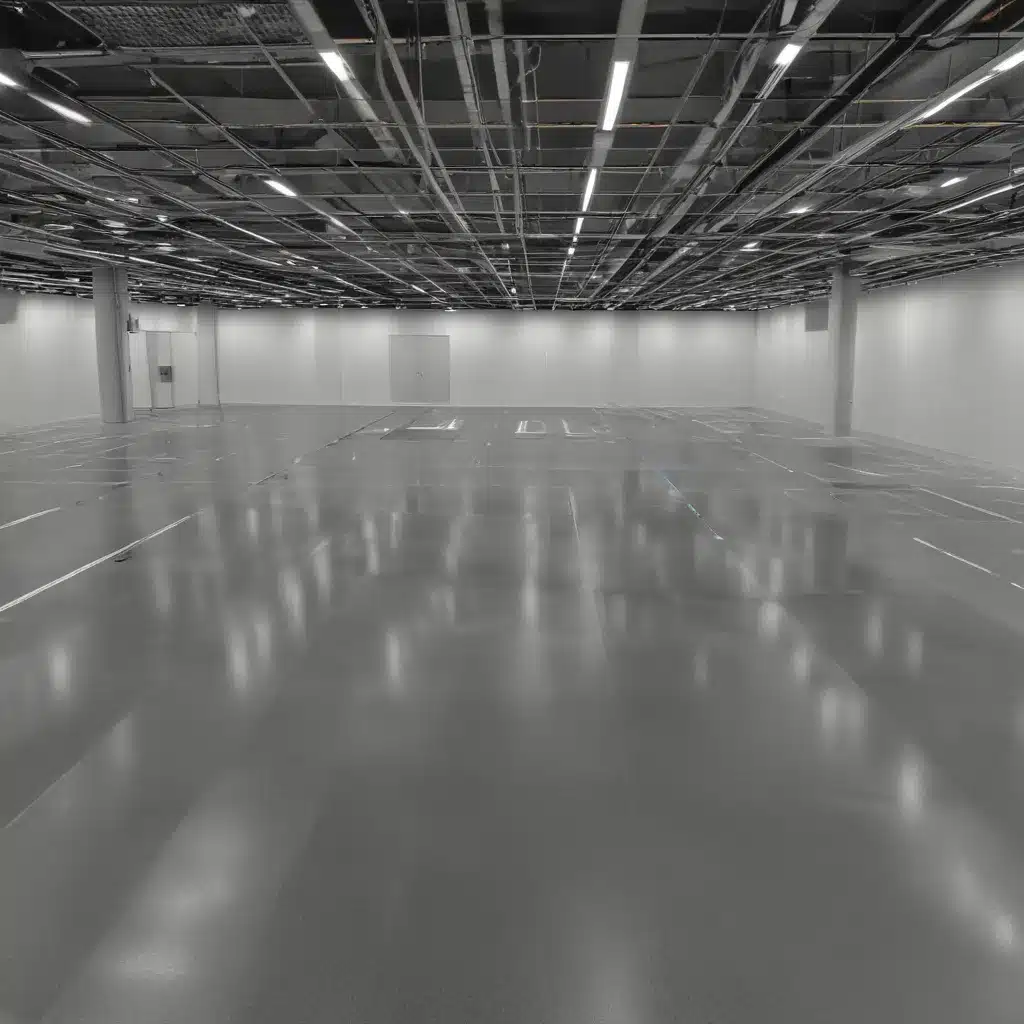
Modern data centres are essential to the digital infrastructure that powers our increasingly connected world. However, the significant energy demands of these facilities pose a growing challenge, both from an environmental and operational standpoint. As the demand for data storage and processing continues to escalate, addressing the thermal management of data centre environments has become a pressing priority.
Raised access flooring systems play a crucial role in optimizing the efficiency and performance of data centres across the UK. By thoughtfully integrating these versatile platforms, facility managers can implement innovative strategies to mitigate thermal challenges and drive sustainable energy savings.
Structural Design and Load Capacity
Load Capacity Considerations: The structural integrity and load-bearing capacity of a raised access floor system are critical factors in managing the thermal loads within a data centre. Heavier equipment, such as server racks and cooling infrastructure, must be properly supported to ensure uninterrupted operation and minimize the risk of costly failures.
Raised floor panels are typically constructed from materials like steel, concrete, or a combination thereof, each offering unique load-bearing characteristics. Consulting with experienced raised flooring specialists can help data centre operators select the optimal panel type and pedestal configuration to meet their specific load requirements, which may range from 250 kg/m² to 1,500 kg/m² or more.
Pedestal Adjustment and Stability: The precision and stability of the access floor pedestals are equally important in maintaining thermal equilibrium. Properly adjusted pedestals not only ensure a level surface but also facilitate the seamless integration of cooling systems and cable management. Regular inspections and adjustments can prevent uneven air distribution, hot spots, and potential equipment damage.
Subfloor Ventilation and Airflow: The raised plenum space beneath the access floor serves as a crucial air distribution channel, allowing cool air to be efficiently delivered to the server racks and other heat-generating equipment. By optimizing the airflow and minimizing obstructions, data centre operators can improve overall cooling effectiveness and reduce the energy consumed by HVAC systems.
Thermal Management Strategies
Cooling System Integration: Integrating the raised access flooring with the data centre’s cooling infrastructure is essential for effective thermal management. Perimeter air conditioning units, in-row cooling systems, or underfloor air distribution can be strategically positioned to leverage the plenum space and direct cool air where it is needed most.
Airflow Optimization Techniques: Careful consideration of airflow patterns and obstructions can enhance the thermal performance of raised access flooring systems. Techniques such as optimizing tile perforations, implementing variable-speed fans, and deploying airflow management accessories (e.g., grilles, diffusers, and blanking panels) can help ensure efficient air distribution and minimize hot spots.
Thermal Insulation and Ventilation: Incorporating thermal insulation into the raised access flooring design can help minimize heat transfer between the server environment and the surrounding building structure. This, combined with strategic ventilation strategies, can further improve the overall thermal efficiency of the data centre.
Cable and Wiring Management
Cable Routing and Organization: The raised plenum space beneath the access floor provides an ideal pathway for organizing and routing the extensive cabling required in data centres. By carefully planning cable layouts, data centre operators can optimize airflow, improve accessibility, and simplify maintenance.
Electrical and Data Cabling Considerations: The separation and management of power, network, and communication cables within the raised floor system is crucial for maintaining safety, minimizing interference, and facilitating future upgrades or modifications.
Accessibility and Maintenance: The modular and removable nature of raised access flooring systems enables easy access to the subfloor, simplifying the installation, inspection, and maintenance of cabling, cooling systems, and other critical infrastructure. This accessibility can significantly reduce downtime and enhance the overall reliability of the data centre.
Regulatory Compliance and Standards
UK Building Regulations: Data centre operators in the UK must ensure their raised access flooring systems comply with the relevant building regulations, such as the Building Regulations 2010 and the subsequent amendments. These regulations cover aspects like structural integrity, fire safety, and energy efficiency, ensuring the systems meet the required performance standards.
Energy Efficiency Guidelines: As part of the drive towards a more sustainable built environment, the UK government and industry bodies have introduced energy efficiency guidelines and initiatives specific to data centres. Raised access flooring systems play a crucial role in meeting these guidelines, which often focus on improving airflow management, cooling efficiency, and overall energy consumption.
Fire Safety and Sustainability Measures: In addition to energy efficiency, data centre raised flooring systems must also adhere to stringent fire safety regulations, such as those outlined in the Building Regulations Approved Document B. Furthermore, the selection of materials and the overall design should consider the environmental impact and the potential for recycling or repurposing components at the end of the system’s lifecycle.
Material Selection and Durability
Floor Tile Composition and Properties: The choice of floor tile material is a critical consideration for data centre raised flooring systems. Common options include steel-encapsulated panels, calcium sulphate (gypsum) panels, and high-pressure laminates (HPL), each offering unique characteristics in terms of load capacity, fire resistance, and thermal properties.
Corrosion and Wear Resistance: Data centres often operate in demanding environments, with high temperatures, moisture, and the potential for exposure to corrosive elements. Selecting materials with superior corrosion and wear resistance can help ensure the longevity and reliability of the raised access flooring system.
Accessibility and Maintenance Requirements: The ease of access and maintenance of the raised floor system is crucial for data centre operations. Factors such as the panel weight, interchangeability, and the availability of specialized tools or equipment should be carefully evaluated to prioritize efficient maintenance and minimize downtime.
Installation and Configuration
Site Preparation and Leveling: Proper site preparation, including the leveling of the subfloor, is essential for the successful installation of a raised access flooring system. Uneven surfaces can lead to air leaks, uneven load distribution, and potential equipment failures.
Pedestal Placement and Spacing: The strategic placement and spacing of the access floor pedestals play a significant role in optimizing thermal performance and load-bearing capacity. Consulting with experienced installers can help data centre operators determine the optimal pedestal configuration for their specific requirements.
Tile Laying and Finishing Touches: The precise installation of floor tiles, including proper sealing and the integration of accessories like grilles and cutouts, can significantly impact the overall airflow and thermal management of the data centre environment.
Environmental Impact and Sustainability
Energy Efficiency and Thermal Management: Raised access flooring systems designed for data centres can contribute to significant energy savings by enabling more efficient cooling and air distribution. Strategies such as underfloor air distribution, hot aisle/cold aisle containment, and the use of thermally efficient materials can help reduce the overall energy consumption of the facility.
Recyclable Materials and Lifecycle Assessment: As the industry moves towards a more sustainable future, the selection of recyclable and environmentally-friendly materials for raised access flooring systems is becoming increasingly important. Conducting a thorough lifecycle assessment can help data centre operators minimize the carbon footprint and environmental impact of their chosen flooring solutions.
Carbon Footprint and Emissions Reduction: By optimizing the thermal performance and energy efficiency of raised access flooring systems, data centre operators can directly contribute to the reduction of greenhouse gas emissions and the overall carbon footprint of their facilities. This alignment with sustainability goals is crucial in the ongoing effort to mitigate the environmental impact of the data centre industry.
Future Trends and Innovations
Intelligent Monitoring and Control Systems: The integration of advanced sensors, data analytics, and control systems within raised access flooring platforms can enable predictive maintenance, real-time monitoring of environmental conditions, and dynamic optimization of airflow and cooling. These intelligent systems can help data centre operators further enhance energy efficiency and reliability.
Integrated Cooling and Power Distribution: Emerging innovations in raised access flooring design are exploring the seamless integration of cooling systems and power distribution within the plenum space. This convergence of critical infrastructure can lead to more compact, efficient, and cost-effective data centre layouts.
Modular and Scalable Design Approaches: The inherent flexibility of raised access flooring systems makes them well-suited for modular and scalable data centre designs. This allows for easier expansion, upgrades, and the implementation of cutting-edge technologies as the industry continues to evolve.
By leveraging the versatility and performance-enhancing capabilities of raised access flooring, data centre operators in the UK can achieve significant improvements in thermal management, energy efficiency, and overall sustainability. Staying informed on the latest design strategies, material advancements, and regulatory considerations is essential for maintaining a competitive edge in this dynamic and ever-evolving industry. For more information, please visit raised-flooring.co.uk.

